No Account Needed: Flyfi Debuts Crypto-Powered Hotel Booking Platform

The travel industry is facing a major disruption with the launch of Flyfi, a new hotel booking platform designed for the crypto-native era. By enabling cryptocurrency payments without requiring traditional account registration, Flyfi offers a seamless, privacy-focused experience for global travelers.
This move signals a significant shift in how blockchain technology can be applied to real-world services like tourism. By removing the friction of user onboarding, Flyfi is setting a new standard for decentralized commerce, catering to a demographic that demands speed, anonymity, and financial autonomy.
Dubai, United Arab Emirates — Flyfi has officially launched its groundbreaking hotel booking platform, aiming to redefine the travel experience. The platform's standout feature is its ability to process cryptocurrency payments while allowing users to complete bookings without the need for any account registration.
Based in Dubai, Flyfi is targeting the growing segment of travelers who prioritize digital privacy and technological efficiency. By eliminating cumbersome sign-up processes, the platform provides an ultra-fast booking flow, leveraging decentralized principles to ensure users maintain control over both their personal data and their digital assets.
This is a summarized and adapted version by Artificial Intelligence. To read the complete original story, visit the official source.
Read Full Article at The Daily HodlSupport Jornal Bitcoin
Independent journalism, curated by AI, no clickbait. Keep the flame alive with any amount of BTC.
jonata@walletofsatoshi.comDaily Crypto Brief 📬
Subscribe to receive the curation of the most important Bitcoin and crypto news, summarized by AI. No spam.
Join more than 10,000 smart readers.
Related News

Romance Scams: U.S. Moves to Seize $25 Million in Stolen Crypto
This seizure adds to a massive milestone for a dedicated federal scam task force, which has successfully recovered over $800 million in illicit funds to date. The ongoing crackdown highlights the increasing capability of law enforcement to track blockchain transactions and dismantle large-scale crypto fraud operations.

The Great Divide: BLAST Premier's $20K Match Proves Esports and Crypto are Still Worlds Apart
This disconnect highlights a significant missed opportunity for mainstream adoption of digital assets within the gaming sphere. As major tournaments continue to operate without crypto-based rewards or fan engagement tools, the gap between the massive esports audience and the decentralized finance revolution remains wide.

Sanction Evasion? Justin Sun's HTX Rotating On-Chain Wallets to Bypass UK Restrictions, Warns TRM Labs
By cycling through various hot wallets across multiple blockchains, HTX is effectively outpacing traditional address-list screening methods. This evolution in evasion tactics poses a significant challenge to blockchain forensics, as the rapid movement of assets complicates the ability to track sanctioned entities and ensures a higher level of risk for the broader ecosystem.
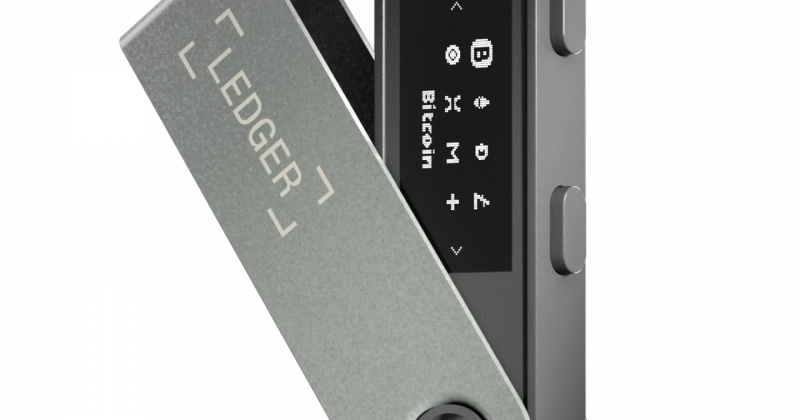
Security Crisis: Zilliqa Halts Transactions as Ledger Bug Exposed Private Keys Since 2019
This security breach highlights a significant risk in the interaction between hardware wallets and blockchain networks. By halting all native transactions, the Zilliqa team aims to mitigate further exploitation while investigating the full extent of the cryptographic failure and its impact on the ecosystem.

SecondFi Shuts Down Following Massive $2.4 Million ADA Wallet Theft
Technical analysis reveals that the breach stemmed from a flaw in the transaction signing software, which enabled the derivation of private keys from public blockchain transaction data. This catastrophic failure underscores the urgent need for more robust cryptographic standards within the decentralized finance sector.

Bitcoin Data War: Foundry USA Calls Miners to Vote on Controversial BIP-110
The proposal specifically targets the rise of non-monetary transactions, such as Ordinals, which have significantly increased data footprints on the blockchain. With the voting window set to close at Bitcoin block 961,632 in early August, the outcome will likely dictate the future constraints of Bitcoin's data storage and transaction capacity.
