Itaú Leads SWIFT Revolution: The New System Poised to Rival Crypto Dominance

Itaú has officially confirmed the successful completion of testing for a new global financial transaction scheme developed by the SWIFT network. This strategic move places the Brazilian banking giant at the forefront of a massive overhaul in international capital transfers, signaling a major technological leap for traditional finance institutions.
This evolution of the SWIFT system is widely viewed as a direct response to the rising efficiency of cryptocurrencies and decentralized payment networks. By streamlining cross-border transactions, the network aims to defend its market share against the growing adoption of digital assets, setting the stage for a high-stakes battle between legacy banking and the crypto ecosystem.
The new SWIFT protocol aims to modernize how money moves across borders, seeking increased efficiency and speed. As the traditional system undergoes this transformation, the technological advancements of cryptocurrencies continue to pressure conventional settlement methods, creating a landscape of intense technological competition within the global financial sector.
This is a summarized and adapted version by Artificial Intelligence. To read the complete original story, visit the official source.
Read Full Article at LivecoinsSupport Jornal Bitcoin
Independent journalism, curated by AI, no clickbait. Keep the flame alive with any amount of BTC.
jonata@walletofsatoshi.comDaily Crypto Brief 📬
Subscribe to receive the curation of the most important Bitcoin and crypto news, summarized by AI. No spam.
Join more than 10,000 smart readers.
Related News

Weak Yen Triggers Japanese Corporate Rush into Bitcoin and XRP
This strategic shift has led to a significant milestone, with registered accounts on the platform soaring past the 2 million mark. As Japanese companies move away from traditional yen-denominated reserves, the growing adoption of crypto assets highlights a fundamental transition toward institutional-grade digital wealth management.

France’s Debt Snowball: Why Crypto Markets Must Brace for the 2027 Election Fallout
This economic instability could serve as a major driver for crypto markets, potentially increasing the demand for non-traditional assets as a hedge against sovereign risk. However, the volatility could also trigger massive selloffs if traditional markets face a liquidity crunch, making the crypto landscape highly sensitive to French fiscal health.
Bitcoin's Road to $70K: Macro Shifts and Fading Geopolitical Tension Fuel Rally
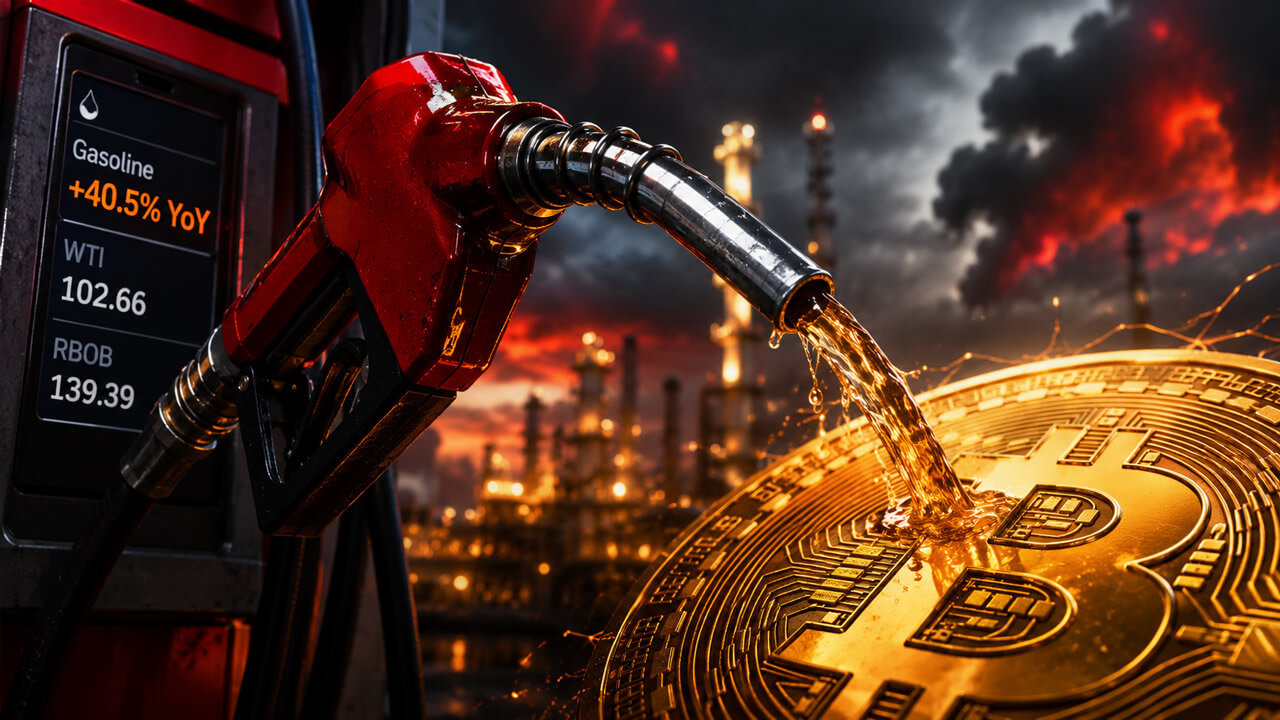
Recent labor market data has acted as a catalyst, with June payrolls growing by only 57,000 and unemployment climbing to 4.2%. This cooling labor market suggests a shift in Fed policy, providing the necessary liquidity and sentiment for Bitcoin to thrive as investors pivot away from the dollar and toward high-growth digital assets amid changing inflation and employment trends.

XRP’s Chart Doesn’t Lie: Analysts Clash Over Ripple’s Next Move
While bullish indicators suggest a massive breakout, skeptics point to conflicting chart patterns that could signal a trend shift. As the community watches closely, the interplay between Ripple's legal clarity and market sentiment will determine if XRP achieves its moonshot or faces a significant correction.

Post-MiCA Era: EU Lawmakers Target DeFi, Staking, and NFTs for New Regulatory Scrutiny
By formalizing this position, lawmakers aim to prevent market fragmentation caused by inconsistent national rules across member states. While this does not immediately amend existing MiCA legislation, it sets the stage for a broader regulatory expansion designed to protect the integrity and competitiveness of the European financial system.

Heatwave Crisis: How Triple-Digit Temps are Squeezing Bitcoin Miners
These 'grid alerts' are forcing significant miner curtailments to prevent total power failures in affected regions. As wholesale electricity costs spike, the economic viability of large-scale bitcoin mining is being tested, potentially shifting the global hash rate as miners struggle to balance operational costs with extreme environmental volatility.
