Bitcoin's Road to $70K: Macro Shifts and Fading Geopolitical Tension Fuel Rally

Bitcoin has reclaimed the $60,000 level as the geopolitical shock from Iran begins to fade, shifting the market focus toward critical macroeconomic indicators. With the dollar index dropping and the odds of a September Fed rate hike falling significantly, the cryptocurrency is aggressively testing the $64,000 resistance to pave its way toward the $70,000 milestone.
Recent labor market data has acted as a catalyst, with June payrolls growing by only 57,000 and unemployment climbing to 4.2%. This cooling labor market suggests a shift in Fed policy, providing the necessary liquidity and sentiment for Bitcoin to thrive as investors pivot away from the dollar and toward high-growth digital assets amid changing inflation and employment trends.
Bitcoin cleared $60,000 again during a week of significant economic shifts. The Bureau of Labor Statistics reported that June payrolls grew by just 57,000, unemployment climbed to 4.2%, and labor-force participation slipped to 61.5%. As the dollar index dropped 0.56% to 100.83, the odds of a September Fed-hike fell from 67% to 54%. With the Iran-related geopolitical shock fading, Bitcoin is currently attempting to breach the $64,000 mark, setting the stage for a potential run toward $70,000 driven by these shifting macro dynamics.
This is a summarized and adapted version by Artificial Intelligence. To read the complete original story, visit the official source.
Read Full Article at CryptoSlateSupport Jornal Bitcoin
Independent journalism, curated by AI, no clickbait. Keep the flame alive with any amount of BTC.
jonata@walletofsatoshi.comDaily Crypto Brief 📬
Subscribe to receive the curation of the most important Bitcoin and crypto news, summarized by AI. No spam.
Join more than 10,000 smart readers.
Related News

Hormuz Strait Crisis: Tanker Strikes Threaten Global Energy and Crypto Stability
Beyond the immediate impact on oil prices, these strikes pose a significant risk to crypto market stability. As geopolitical uncertainty rises, the resulting volatility often triggers massive shifts in investor sentiment and liquidity across the digital asset landscape.

Bitcoin Is Bouncing—But Still Trapped: The One Level BTC Must Reclaim to Flip the Trend
The next move hinges on the decisive area BTC is approaching now. A reclaim could help turn this recovery into a larger trend reversal; failure would likely keep downside pressure in play, reinforcing the “Bitcoin Price Analysis” view that the next support/resistance interaction will matter more than the bounce itself.

Bitcoin Dominance Hits One-Month Low as Altcoin Surge Signals Market Shift
Data from CoinGecko highlights a massive surge in the 'Others' category, which climbed from 19.39% to 24.68% of the total crypto market cap. This expansion of altcoin dominance suggests that investors are aggressively diversifying away from Bitcoin and Ethereum, seeking higher alpha in smaller-cap projects as the market structure evolves.

Vanguard Hunts for Digital Asset Leader, Signaling Major Crypto Strategy Shift
This shift represents a significant evolution in how traditional finance giants perceive digital scarcity and programmable money. By formalizing a leadership role for digital assets, Vanguard is positioning itself to bridge the gap between legacy finance and the burgeoning blockchain-driven financial landscape.
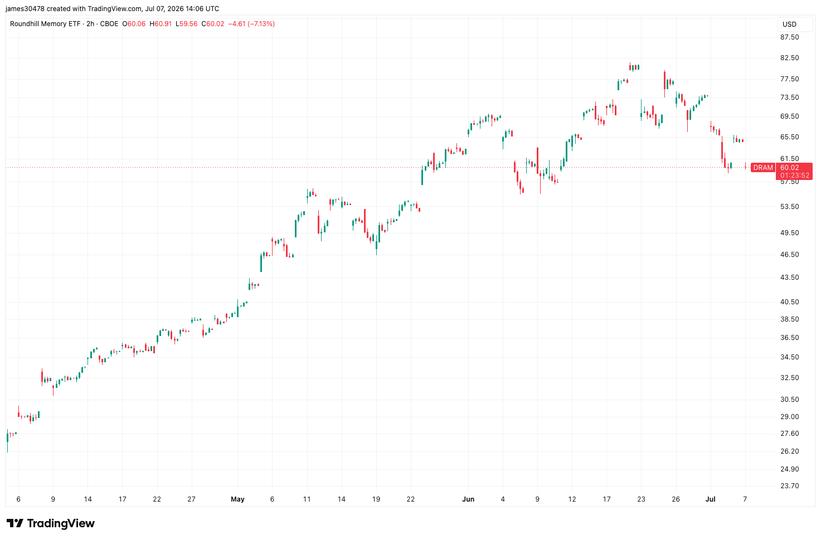
AI Trade Losing Steam: Infrastructure Boom Hits a Reality Check
Driven by record earnings that may already be priced in and rising competition, the industry is grappling with concerns over slowing AI spending. This reassessment marks a pivotal moment for tech-heavy portfolios and the broader macroeconomic landscape.

Power Struggle in D.C.: Treasury and Commerce Clash Over U.S. Bitcoin Reserve Control
According to reports, the delay has persisted for over a year, highlighting deep-seated bureaucratic friction within the federal government. As these departments vie for control, the outcome will ultimately determine how the United States integrates Bitcoin into its national financial strategy and long-term reserve framework.
