Crypto Briefing

Israel Rejects Arab Ministerial Committee's Declaration on Jerusalem

August 5, 202605:17 PM
Israel Rejects Arab Ministerial Committee's Declaration on Jerusalem

Israel has officially rejected the Arab Ministerial Committee's declaration on Jerusalem, a move that intensifies diplomatic tensions in the region and underscores the complexity of the international debate over the city's sovereignty. The Israeli rejection comes amid ongoing territorial and political disputes in the Middle East, highlighting how Jerusalem's status remains a critical point in international relations with potential consequences for peace negotiations.

This is a summarized and adapted version by Artificial Intelligence. To read the complete original story, visit the official source.

Read Full Article at Crypto Briefing
QR Code Lightning

Support Jornal Bitcoin

Independent journalism, curated by AI, no clickbait. Keep the flame alive with any amount of BTC.

Wallet of Satoshi
jonata@walletofsatoshi.com

Daily Crypto Brief 📬

Subscribe to receive the curation of the most important Bitcoin and crypto news, summarized by AI. No spam.

Join more than 10,000 smart readers.

Related News
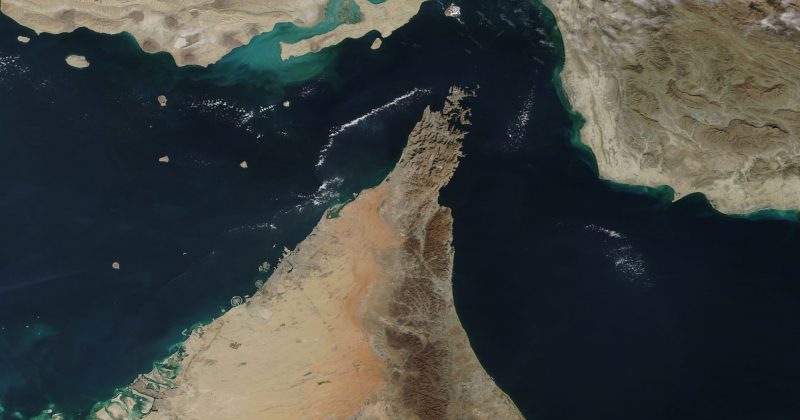
Iran-Oman Hormuz Deal Includes Crypto Payments, Raises US Sanctions Concerns
Crypto Briefing★ Featured

Iran-Oman Hormuz Deal Includes Crypto Payments, Raises US Sanctions Concerns

Iran and Oman have reached a landmark agreement establishing an alternative shipping route through the strategically vital Strait of Hormuz, with cryptocurrency payments remaining a viable option. This geopolitical partnership has the potential to stabilize global oil markets by reducing tensions in the critical maritime passage that transports one-fifth of the world's oil.

The inclusion of cryptocurrency as a transaction payment method represents an unprecedented front in international diplomacy, potentially challenging traditional financial systems and Western sanctions. However, this approach faces the risk of triggering severe regulatory scrutiny from the United States, which may interpret such measures as an attempt at sanctions evasion, adding a new layer of complexity to already tense international relations.

Palantir's Karp Accuses OpenAI, Anthropic of Corporate Value Theft as Revenue Surges 93%

BlockTrends★ Featured

Palantir's Karp Accuses OpenAI, Anthropic of Corporate Value Theft as Revenue Surges 93%

Palantir's CEO Alex Karp has launched a direct attack on OpenAI and Anthropic, accusing the AI giants of improperly capturing value from client companies. Meanwhile, Palantir's alternative model has proven its mettle by driving a staggering 93% surge in the company's quarterly revenue, cementing its position in the battle for enterprise AI sovereignty. Karp's accusation marks a turning point in the artificial intelligence industry, where the battle for data sovereignty and model control is becoming the new corporate battlefield. With revenue skyrocketing, Palantir demonstrates that its enterprise-focused AI model offers a viable alternative to dominant solutions, forcing the market to reconsider value distribution in the era of corporate artificial intelligence.
Russian missile strike on Kyiv kills 17, injures over 40 in major escalation
Crypto Briefing★ Featured

Russian missile strike on Kyiv kills 17, injures over 40 in major escalation

Russian missile strike on Kyiv kills 17, injures over 40 in dangerous escalation that threatens regional destabilization and global market impacts.

The intensified violence raises international diplomatic tensions, forcing strategic military reassessments while growing humanitarian concerns mount. This incident could accelerate economic sanctions and reshape geopolitical alliances on the global stage with potential long-term consequences for European stability and international relations.
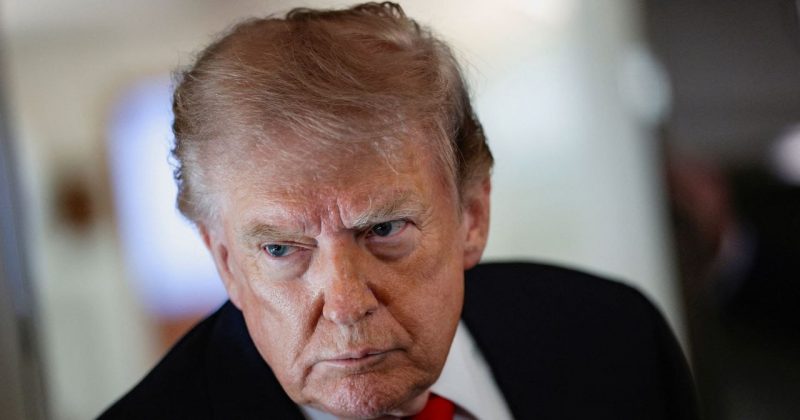
Trump Shifts US Strategy to Undermine Iran, Escalate Military Tensions

Crypto Briefing

Trump Shifts US Strategy to Undermine Iran, Escalate Military Tensions

Former President Trump has implemented a new US strategy focused on directly undermining the Iranian regime and escalating military pressure in the region. This tactical shift represents a significant escalation in geopolitical tensions, with profound potential consequences for global markets and regional security. The new American approach aims to weaken the Iranian government through harsher sanctions and displays of military force, thereby reducing the possibilities for diplomatic solutions. Analysts warn that this posture could further destabilize the Middle East, affecting oil supply and creating volatility in global financial markets, including the cryptocurrency sector.
US Navy escorts tankers through Strait of Hormuz amid 2026 crisis
Crypto Briefing

US Navy escorts tankers through Strait of Hormuz amid 2026 crisis

The U.S. Navy has begun escorting oil tankers through the Strait of Hormuz, a critical maritime chokepoint, amid the 2026 crisis. This direct military action signals potential regional stabilization, with significant implications for cryptocurrency markets and investor confidence during geopolitical uncertainty.

American naval presence in the Persian Gulf represents a turning point in global maritime security dynamics, directly affecting oil prices and energy markets. For the crypto sector, this development could influence Bitcoin's perception as a safe-haven asset, while traders closely monitor Middle East tensions for volatility opportunities and hedging strategies.
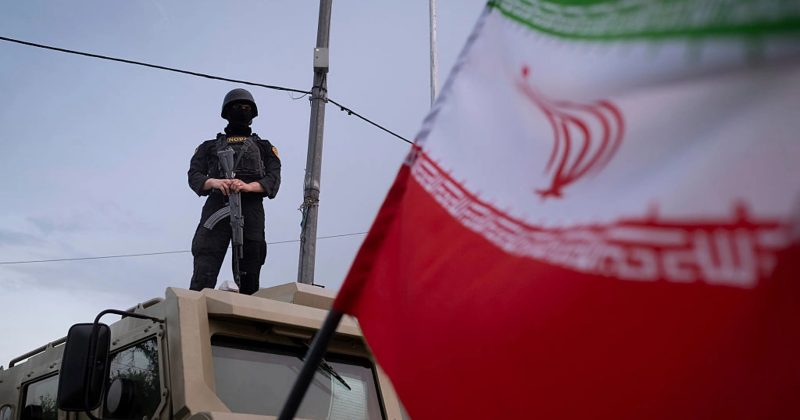
US Keeps Israel in Dark on Iran Talks, Fueling Market Uncertainty
Crypto Briefing

US Keeps Israel in Dark on Iran Talks, Fueling Market Uncertainty

The United States' indirect approach to Iran talks, keeping Israel informed only through secondary channels, is creating significant tensions in diplomatic relations between the two allied nations. This limited communication strategy, adopted during an extremely sensitive negotiation period, is generating concerns in global financial markets about regional stability and potential outcomes of the discussions.

Washington's decision not to directly share information with Jerusalem about negotiations with Tehran represents an unprecedented departure from traditional security cooperation between the countries. Geopolitical analysts warn that this posture could erode mutual trust and complicate efforts to contain Iran's nuclear program. For markets, particularly the crypto sector, this diplomatic uncertainty adds a new layer of volatility, with investors closely monitoring developments that could impact the pricing of risk assets.

Jornal Bitcoin Logo