Iran-Oman Hormuz Deal Includes Crypto Payments, Raises US Sanctions Concerns

Iran and Oman have reached a landmark agreement establishing an alternative shipping route through the strategically vital Strait of Hormuz, with cryptocurrency payments remaining a viable option. This geopolitical partnership has the potential to stabilize global oil markets by reducing tensions in the critical maritime passage that transports one-fifth of the world's oil.
The inclusion of cryptocurrency as a transaction payment method represents an unprecedented front in international diplomacy, potentially challenging traditional financial systems and Western sanctions. However, this approach faces the risk of triggering severe regulatory scrutiny from the United States, which may interpret such measures as an attempt at sanctions evasion, adding a new layer of complexity to already tense international relations.
This is a summarized and adapted version by Artificial Intelligence. To read the complete original story, visit the official source.
Read Full Article at Crypto BriefingSupport Jornal Bitcoin
Independent journalism, curated by AI, no clickbait. Keep the flame alive with any amount of BTC.
jonata@walletofsatoshi.comDaily Crypto Brief 📬
Subscribe to receive the curation of the most important Bitcoin and crypto news, summarized by AI. No spam.
Join more than 10,000 smart readers.
Related News
NFT Founder Raised $10M Only to Blow It All on Gambling, Trading, and DJ Hobby

Apollo Global Management taps Katia Walsh to lead AI revolution

Coinbase Issues Red Alert: Brazil's 24-Hour Crypto Freeze Threatens Innovation

Rare Crypto Lobby Loss Masks Growing Congressional Influence
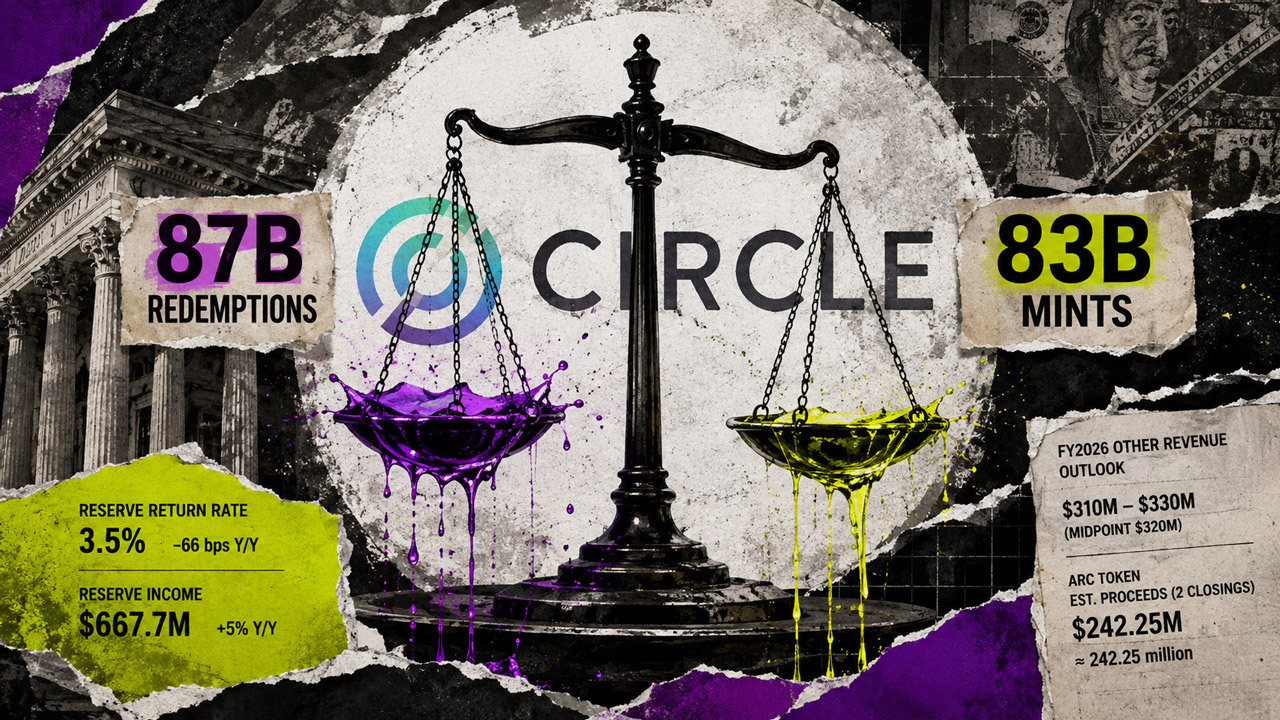
USDC redemptions outpace mints by $4B, but massive token presale quietly doubles Circle's revenue outlook
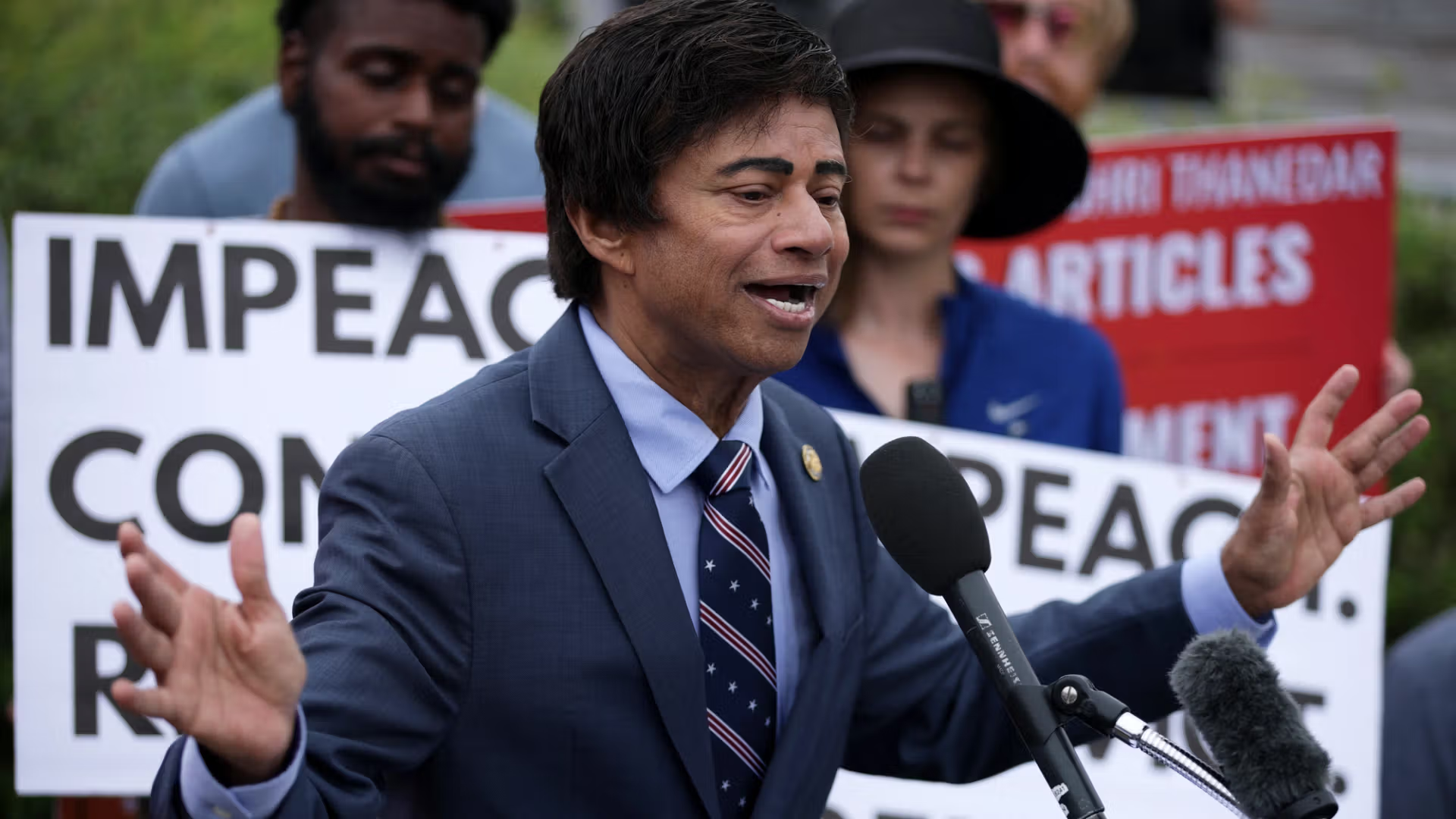
Crypto PAC's $2 Million Bet on Detroit Primary Fails, But Congressional Influence Grows
Despite the Detroit defeat, the growth of crypto-friendly lawmakers remains a clear trend. The crypto industry is significantly increasing its lobbying and campaign funding efforts, aiming to shape regulatory legislation in its favor. This political expansion comes at a critical time for the sector as regulatory agencies increase pressure on cryptocurrencies.
