Geopolitical Flashpoint: Israel Vows Retaliation Following Iranian Missile Interception Near Aqaba
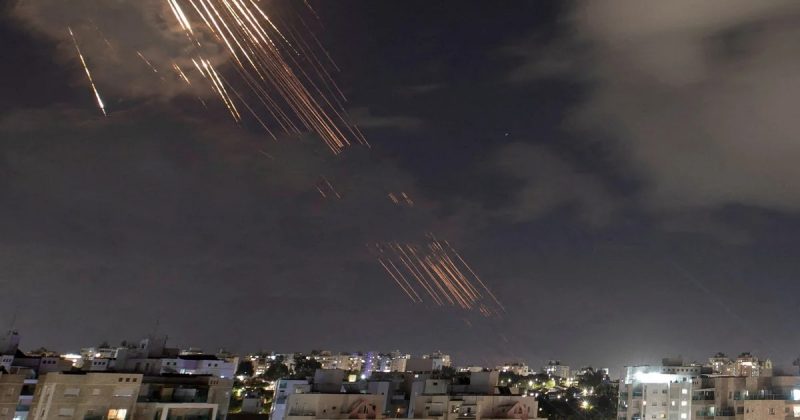
Global risk profiles have spiked following Israel's successful interception of an Iranian missile near Aqaba. This high-stakes military encounter intensifies Middle East instability, forcing crypto traders to brace for sudden market volatility and potential shifts in liquidity.
With Israel vowing a strong retaliation, the threat of a broader regional conflict looms large. The situation is further complicated by predictive models suggesting an 11.5% chance of Houthi military action against Israel by mid-2026, a factor that could drive significant macro-driven movements in the digital asset space.
Israel has vowed strong retaliation after successfully intercepting an Iranian missile near Aqaba. The interception marks a critical escalation in regional tensions. Furthermore, market sentiment is being weighed against predictive data suggesting an 11.5% probability of Houthi military action against Israel by July 31, 2026, keeping the intersection of geopolitics and crypto markets under intense scrutiny.
This is a summarized and adapted version by Artificial Intelligence. To read the complete original story, visit the official source.
Read Full Article at Crypto BriefingSupport Jornal Bitcoin
Independent journalism, curated by AI, no clickbait. Keep the flame alive with any amount of BTC.
jonata@walletofsatoshi.comDaily Crypto Brief 📬
Subscribe to receive the curation of the most important Bitcoin and crypto news, summarized by AI. No spam.
Join more than 10,000 smart readers.
Related News
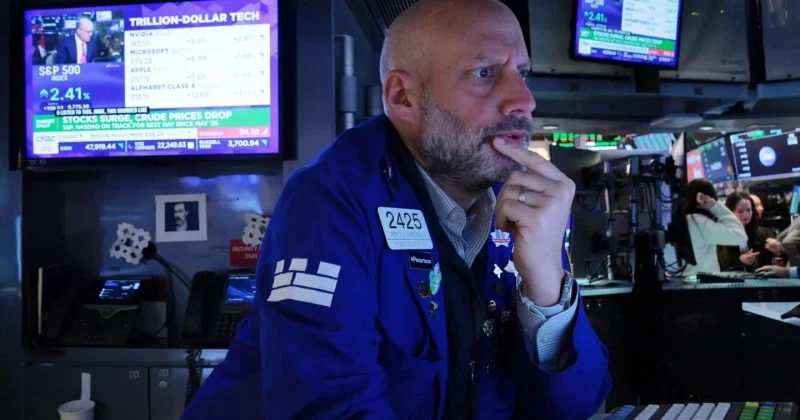
Goldman Sachs Warning: Brent Oil Could Surge Past $120 Amid Hormuz Tension
Looking further ahead, projections indicate that WTI could also hit the $120 mark by July 2026. Such a surge in oil prices would likely fuel global inflationary pressures, potentially tightening liquidity across financial markets and influencing the broader trajectory of risk assets, including the cryptocurrency sector.
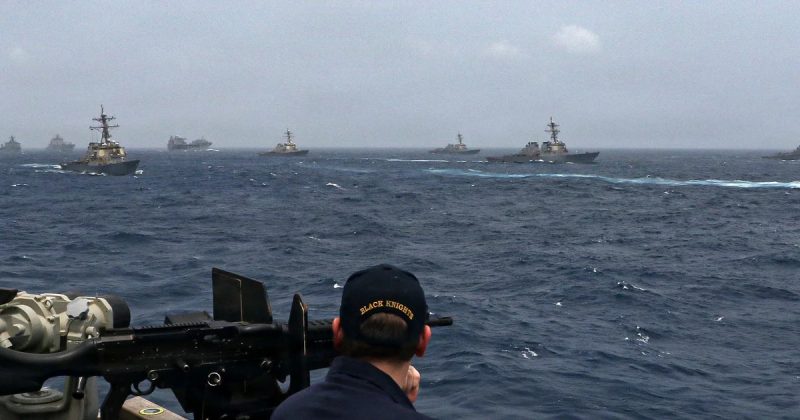
Strait of Hormuz Attack: Tanker Targeted Amid Escalating US-Iran Military Tensions
While maritime traffic was reported to have returned to normal levels by August 31, the underlying threat of a direct confrontation between the US and Iran continues to loom large. Investors and analysts are closely monitoring the situation, as any further disruption in the Strait of Hormuz could trigger massive shifts in global energy prices and economic stability.
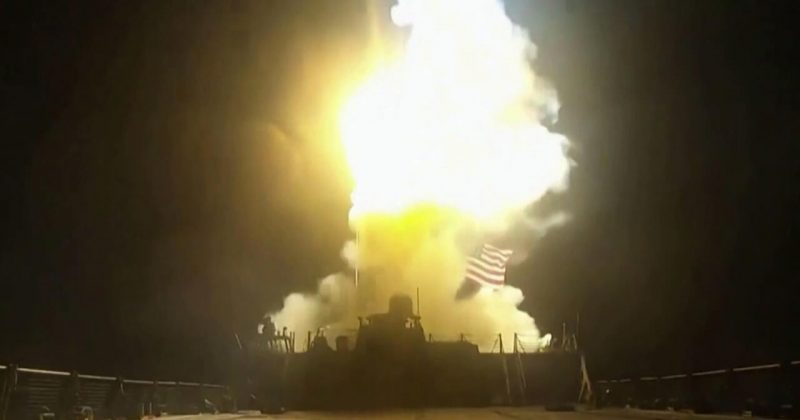
Geopolitical Crisis: US Military Completes 10th Consecutive Night of Airstrikes on Iran
With reports suggesting a potential full airspace closure by August 31, the implications for global trade and energy security are profound. As these airstrikes continue, the market is bracing for heightened volatility, as investors scramble to hedge against the unpredictable consequences of an intensifying conflict in the Middle East.

Asia Crypto Crackdown: Binance and OKX Users Face Heavy Fines in Vietnam
However, a significant regulatory gap exists, as Vietnam's Finance Ministry has yet to issue formal licenses for the digital asset market. Meanwhile, geopolitical tensions are rising in Malaysia, where Balaji Srinivasan's Network School is facing scrutiny over allegations of hosting Israeli citizens, potentially testing the country's strict diplomatic boundaries.

Polymarket Odds Crash as Iran's Hormuz Attacks Fuel Geopolitical Uncertainty
The sudden drop in odds underscores the heightened risk premium being applied to global shipping routes. As prediction markets react to these military escalations, the volatility highlights how geopolitical instability directly influences decentralized forecasting platforms and global energy security concerns.
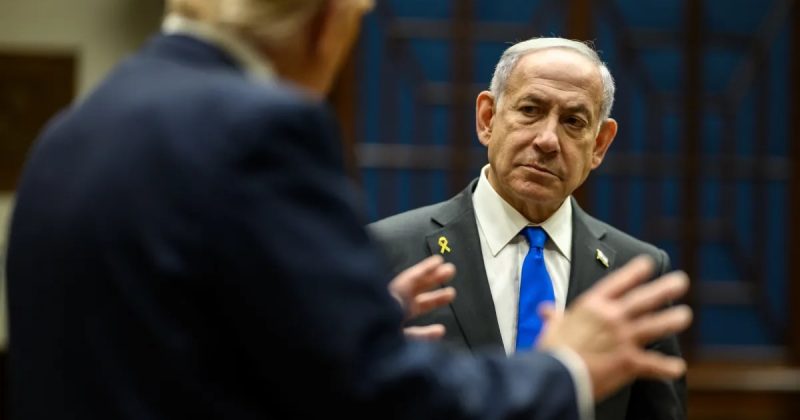
Hormuz Crisis: Trump and Netanyahu Weigh Ceasefire vs. Military Strike
Sentiment analysis shows a strong leaning toward diplomatic stability, with an 81% probability that a ceasefire could extend through July 25. The tension between Trump and Netanyahu's strategic choices will likely dictate the next phase of geopolitical volatility and its subsequent ripple effects across global financial markets.
