Israel Slashes Knesset Budget by NIS 50M to Fuel Wartime Economy
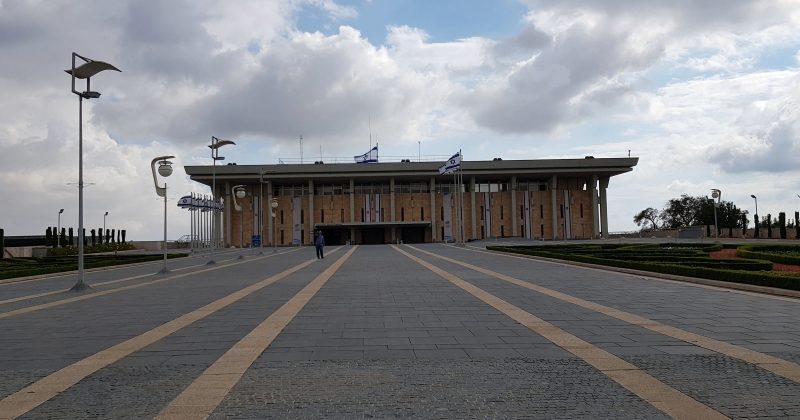
Israel has implemented a strategic NIS 50 million budget cut to the Knesset, a move designed to bolster the nation's wartime economy. This fiscal adjustment prioritizes critical defense and stability needs amidst ongoing regional conflicts.
Beyond immediate funding, the reallocation aims to safeguard economic stability and prevent political upheaval. By streamlining legislative spending, the government seeks to ensure legislative continuity and maintain institutional resilience during this volatile period.
The Knesset budget has been cut by NIS 50M to bolster Israel’s wartime economy. The move reflects strategic efforts to maintain economic stability, reducing the likelihood of political upheaval and ensuring the legislative continuity required to navigate the current crisis.
This is a summarized and adapted version by Artificial Intelligence. To read the complete original story, visit the official source.
Read Full Article at Crypto BriefingSupport Jornal Bitcoin
Independent journalism, curated by AI, no clickbait. Keep the flame alive with any amount of BTC.
jonata@walletofsatoshi.comDaily Crypto Brief 📬
Subscribe to receive the curation of the most important Bitcoin and crypto news, summarized by AI. No spam.
Join more than 10,000 smart readers.
Related News
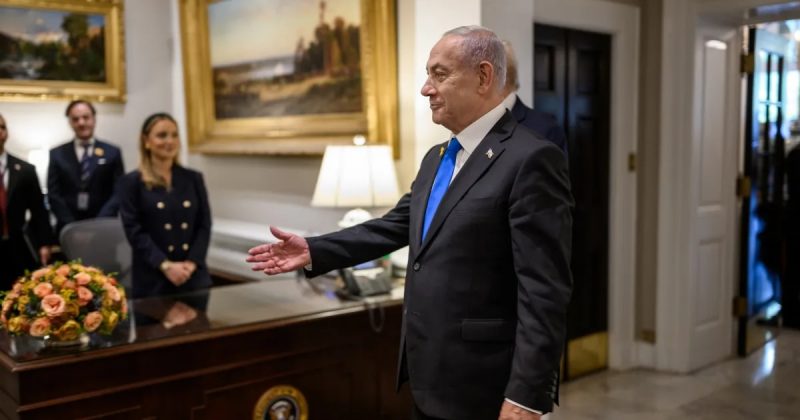
Netanyahu invokes Graham legacy to demand dismantling of Iran’s nuclear program, fueling global tension
Netanyahu's remarks pose a significant threat to U.S.-Iran nuclear negotiations, potentially closing the window for a peaceful resolution. As the rhetoric intensifies, the likelihood of a successful peace agreement diminishes, creating a ripple effect of uncertainty that could impact global markets and international security frameworks.
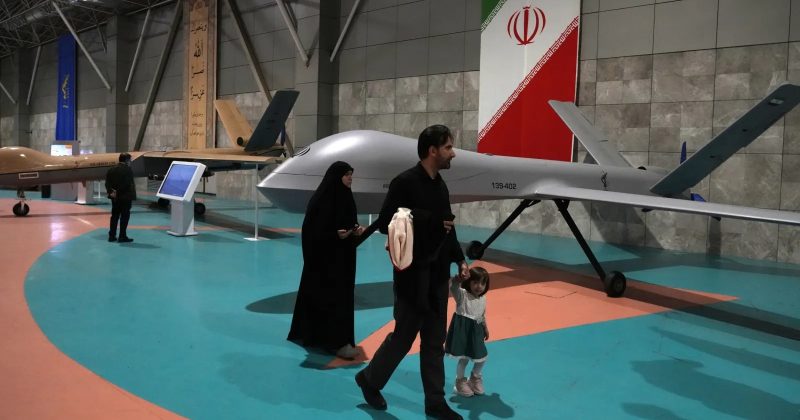
Geopolitical Alert: Iran Triples Drone Production Amid Escalating US Tensions
The heightened friction with the United States and the expansion of the Iranian drone arsenal increase the likelihood of sudden military escalations. Such geopolitical shifts are critical for market participants to monitor, as military actions in the Middle East often trigger rapid volatility across crypto assets and traditional hedge markets.
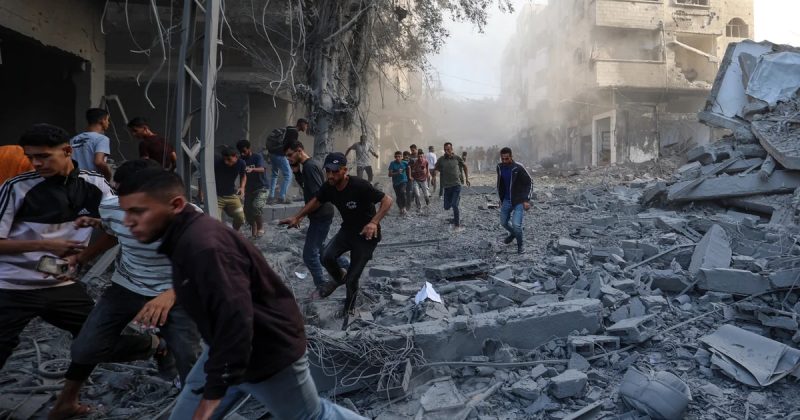
Middle East Escalation: Israeli Jet Strikes in Gaza Threaten Fragile Hamas Ceasefire
Beyond the immediate combat, the impact of these airstrikes may trigger stricter Israeli security measures, further complicating the path to peace. For market participants, such escalations in the Middle East often serve as critical triggers for shifts in risk appetite and increased demand for safe-haven assets.

Rabbi Yitzhak Yosef Signals Rift with Netanyahu: New Coalition Could Reshape Israel
By entertaining a partnership with Eisenkot, Yosef is effectively reshaping the political landscape, potentially isolating Netanyahu's faction. This development carries heavy implications for Israel's domestic stability and broader geopolitical standing, as the realignment of religious and political figures could lead to a total restructuring of the ruling coalition.

Tehran Unrest: Retiree Protests Fuel Growing Political Instability in Iran
The growing civil disobedience and economic hardship are intensifying discussions regarding potential regime change scenarios in Iran. As geopolitical tensions rise, the intersection of economic collapse and mass mobilization presents a high-risk environment that could reshape regional power dynamics.
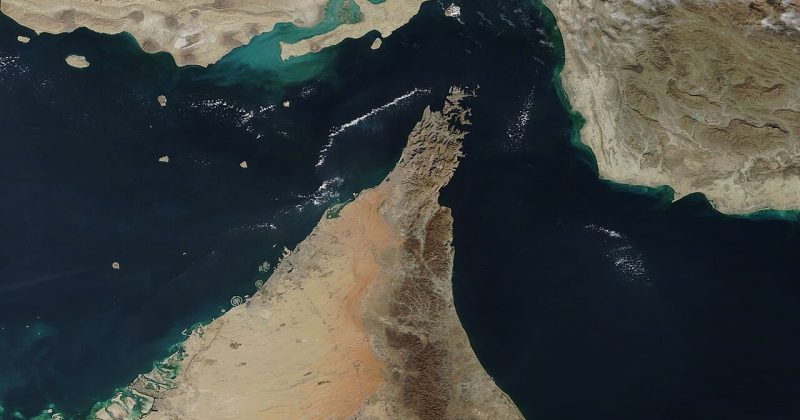
Global Chaos: Iran Closes Strait of Hormuz, Sending Maritime Traffic Plummeting
Disruptions to global oil supply chains are poised to create a massive ripple effect of volatility across financial assets and commodities. As geopolitical uncertainty heightens, investors are bracing for systemic risk, a move that could severely impact market liquidity and the broader global economy.
