Global Chaos: Iran Closes Strait of Hormuz, Sending Maritime Traffic Plummeting
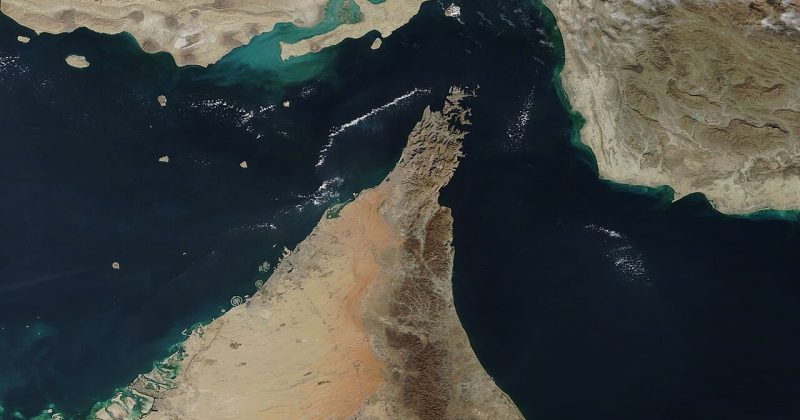
The strategic closure of the Strait of Hormuz by Iran has triggered an immediate red alert across global markets, causing maritime traffic to plummet. This aggressive geopolitical maneuver directly threatens the stability of vital trade routes and leaves global energy security in a state of extreme vulnerability.
Disruptions to global oil supply chains are poised to create a massive ripple effect of volatility across financial assets and commodities. As geopolitical uncertainty heightens, investors are bracing for systemic risk, a move that could severely impact market liquidity and the broader global economy.
The closure of the Strait of Hormuz by Iran has caused a sharp decline in international maritime traffic. The move exacerbates regional tensions, disrupts global oil supply chains, and heightens geopolitical uncertainty, directly impacting global markets and worldwide economic stability.
This is a summarized and adapted version by Artificial Intelligence. To read the complete original story, visit the official source.
Read Full Article at Crypto BriefingSupport Jornal Bitcoin
Independent journalism, curated by AI, no clickbait. Keep the flame alive with any amount of BTC.
jonata@walletofsatoshi.comDaily Crypto Brief 📬
Subscribe to receive the curation of the most important Bitcoin and crypto news, summarized by AI. No spam.
Join more than 10,000 smart readers.
Related News
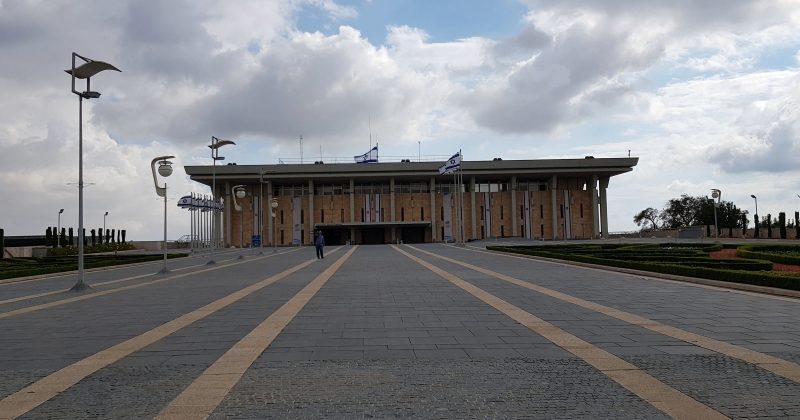
Israel Slashes Knesset Budget by NIS 50M to Fuel Wartime Economy
Beyond immediate funding, the reallocation aims to safeguard economic stability and prevent political upheaval. By streamlining legislative spending, the government seeks to ensure legislative continuity and maintain institutional resilience during this volatile period.

Tehran Unrest: Retiree Protests Fuel Growing Political Instability in Iran
The growing civil disobedience and economic hardship are intensifying discussions regarding potential regime change scenarios in Iran. As geopolitical tensions rise, the intersection of economic collapse and mass mobilization presents a high-risk environment that could reshape regional power dynamics.
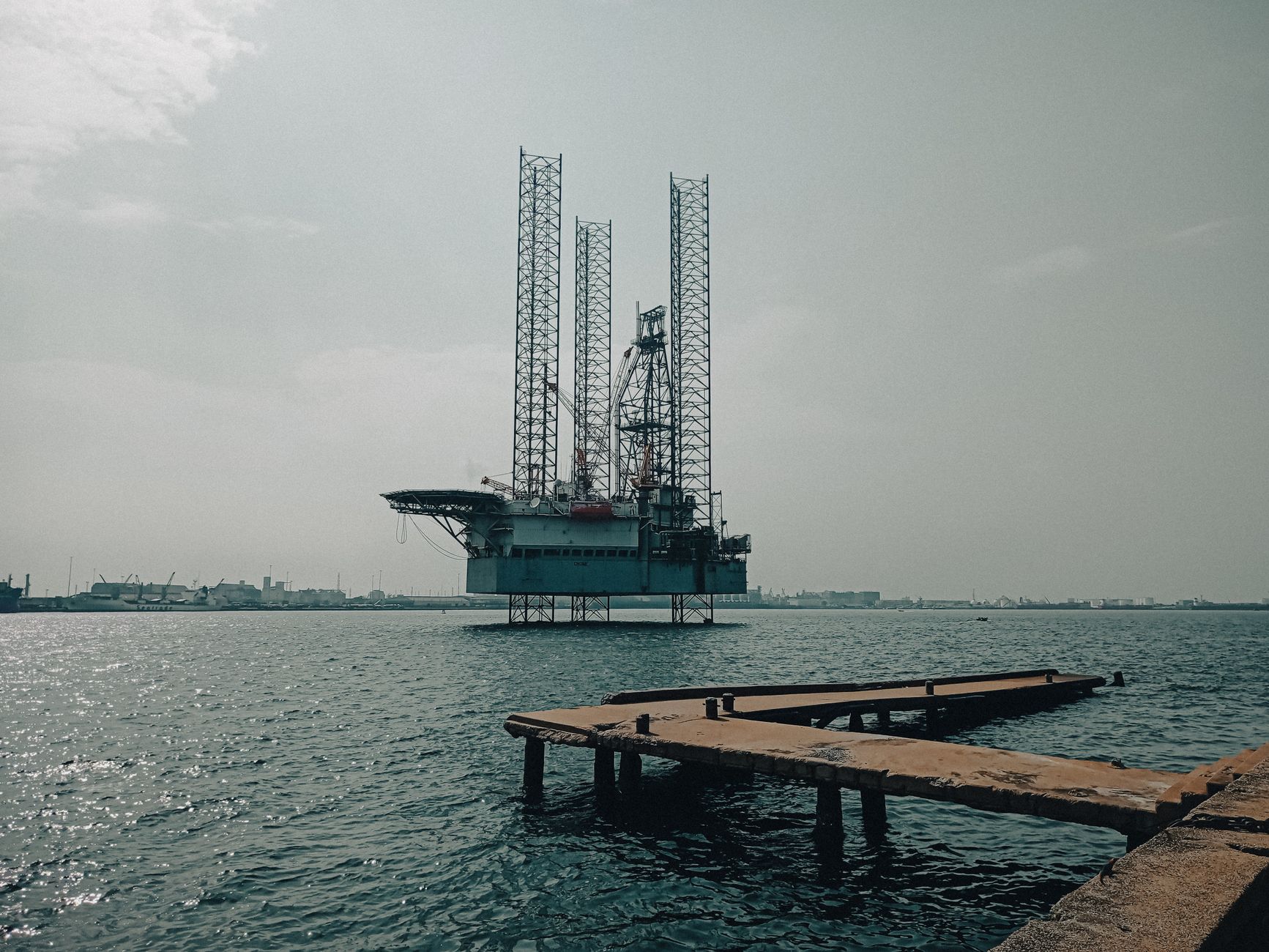
Chronic Oil Export Tax: Why Investors are Fleeing the Sector
Industry experts warn that this fiscal instability is driving a significant capital flight toward neighboring countries with more attractive tax regimes. The lack of regulatory predictability threatens to stifle long-term energy investments, potentially turning a short-term revenue grab into a long-term economic setback for the sector.

Retaliation Threat: IRGC Commander’s Son Vows Strikes in San Francisco and Gulf of Mexico
Such threats pose a direct risk to global shipping routes, potentially disrupting international trade and critical supply chains. As these tensions mount, the resulting market volatility may drive investors toward crypto assets as a hedge against the unpredictable shifts in the traditional economic landscape.

Geopolitical Alert: Israel Prepares Solo Military Strike Against Iran Amid 2026 Conflict Fears
As the specter of a 2026 conflict looms, the implications for global energy security and investor sentiment are profound. This shift toward unilateral military capability forces a re-evaluation of risk models, as the potential for sudden escalation could disrupt traditional market predictions and heighten geopolitical uncertainty.

LDO Price Alert: Exhaustion Point Reached as $0.37 Resistance Looms
Low trading volume and the looming presence of the 200-day SMA at $0.37 create a high-stakes environment for traders. A failure to breach the critical $0.33-$0.34 zone could lead to a significant pullback, making this LDO price prediction analysis vital for anyone navigating current market volatility.
