Hormuz Strait Crisis: Iran's Tanker Attacks Shake Energy Markets and Fuel Crypto Payment Interest

Iran's recent tanker attacks near the Strait of Hormuz have sent shockwaves through global energy markets, exposing a profound leadership dilemma and heightened geopolitical instability. This escalation directly threatens global energy security, creating a volatile environment for international trade and maritime logistics.
As traditional maritime routes face increasing risks, the geopolitical fallout is expected to reshape global commerce. A significant consequence of this instability could be the accelerated integration of crypto payments within maritime trade to bypass traditional financial bottlenecks and maintain liquidity in high-risk zones.
This is a summarized and adapted version by Artificial Intelligence. To read the complete original story, visit the official source.
Read Full Article at Crypto BriefingSupport Jornal Bitcoin
Independent journalism, curated by AI, no clickbait. Keep the flame alive with any amount of BTC.
jonata@walletofsatoshi.comDaily Crypto Brief 📬
Subscribe to receive the curation of the most important Bitcoin and crypto news, summarized by AI. No spam.
Join more than 10,000 smart readers.
Related News

Settlement Revolution: Smotrich Expands West Bank Presence as Polymarket Shifts Odds
Amidst this territorial shift, the Polymarket prediction market is reacting to the evolving political landscape, with Eizenkot currently favored at 39%. The intersection of state-led expansion and decentralized prediction markets underscores how political volatility is being quantified in real-time by global speculators.

Escalation Alert: Zelensky Urges NATO Support Following Massive Drone Strike on Moscow
Analysts warn that the continuous push for enhanced military aid could significantly increase the risk of a direct NATO-Russia confrontation by 2026. The resulting geopolitical volatility and the potential for direct engagement between major powers pose a profound threat to global stability and international security frameworks.
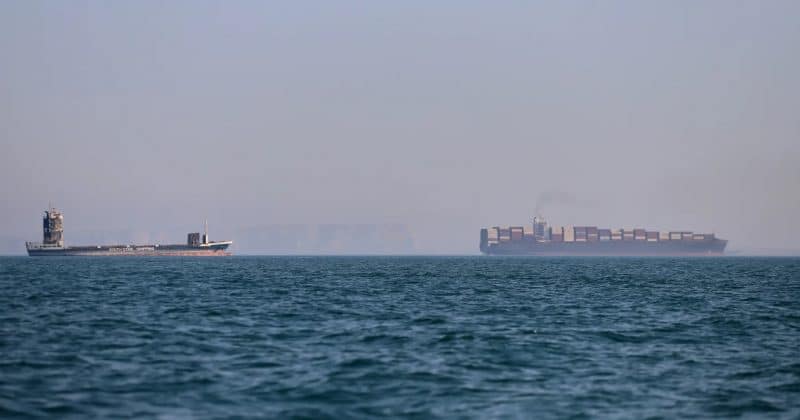
Hormuz Strait Crisis: Tanker Strikes Threaten Global Energy and Crypto Stability
Beyond the immediate impact on oil prices, these strikes pose a significant risk to crypto market stability. As geopolitical uncertainty rises, the resulting volatility often triggers massive shifts in investor sentiment and liquidity across the digital asset landscape.

Middle East Alert: Armed Iraqi Tribes Mobilize for Khamenei Funeral Rites
Beyond the immediate local impact, these developments are poised to influence broader market stability assessments. As power dynamics shift in the Middle East, the resulting volatility could create ripple effects across global financial markets, making close monitoring essential for risk management.

Bitcoin's Road to $70K: Macro Shifts and Fading Geopolitical Tension Fuel Rally
Recent labor market data has acted as a catalyst, with June payrolls growing by only 57,000 and unemployment climbing to 4.2%. This cooling labor market suggests a shift in Fed policy, providing the necessary liquidity and sentiment for Bitcoin to thrive as investors pivot away from the dollar and toward high-growth digital assets amid changing inflation and employment trends.
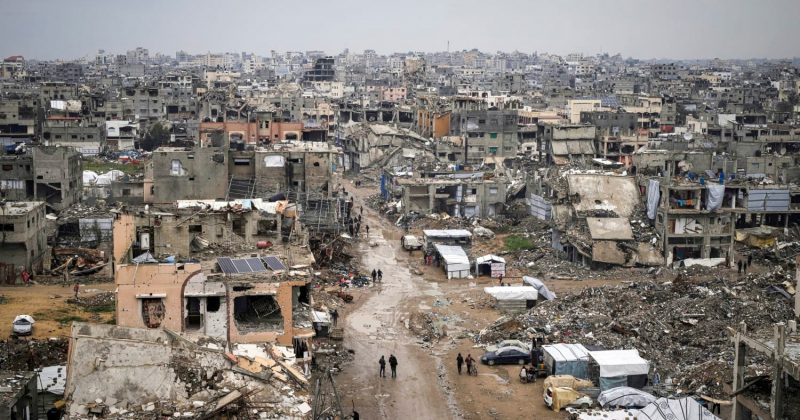
Middle East Crisis: Israeli Drone Strike in Gaza Threatens Fragile Ceasefire
The consequences of this strike extend beyond the immediate casualties, as the breakdown of diplomatic pauses threatens to ignite broader conflict. As geopolitical instability rises, the international community faces increased uncertainty regarding the long-term viability of peace efforts in the region.
