Geopolitical Alert: Iran Deploys Commanders and Missile Tech to Houthi Rebels in Yemen

Intelligence reports have confirmed a significant escalation in Middle East tensions, revealing that Iran has flown military commanders and advanced missile gear to Houthi rebels in Yemen. This direct military support bolsters the rebels' capabilities and heightens the risk of a broader regional conflict involving key Gulf states.
The deployment of Iranian military assets suggests an imminent threat to regional stability, with indicators pointing toward potential military actions against Gulf nations by July 30. This development poses a direct challenge to maritime security and could trigger significant volatility in global energy markets and geopolitical risk assessments.
According to recent reports, Iran has escalated its involvement in Yemen by flying military commanders and missile equipment to Houthi rebels. This strategic move provides the group with enhanced tactical capabilities and direct oversight from Iranian officials. With reports suggesting a high probability of military action against a Gulf state by July 30, the region faces a period of intense uncertainty and heightened threat levels.
This is a summarized and adapted version by Artificial Intelligence. To read the complete original story, visit the official source.
Read Full Article at Crypto BriefingSupport Jornal Bitcoin
Independent journalism, curated by AI, no clickbait. Keep the flame alive with any amount of BTC.
jonata@walletofsatoshi.comDaily Crypto Brief 📬
Subscribe to receive the curation of the most important Bitcoin and crypto news, summarized by AI. No spam.
Join more than 10,000 smart readers.
Related News

Hormuz Traffic Normalization: Polymarket Odds Plunge to 51.5%
Despite warnings from Donald Trump regarding massive potential strikes on Iran following retaliatory attacks, the market is pricing in a stabilization of shipping routes. The resolution of this tension is critical for global energy markets and the broader economic stability affected by the disruption since late February.
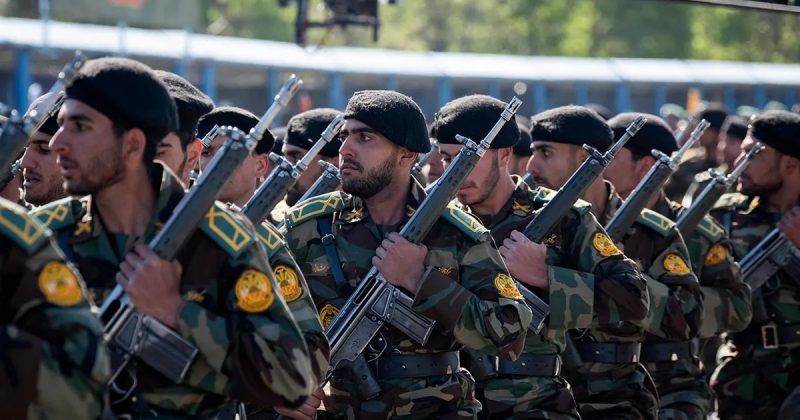
Middle East Crisis Escalates: Iran Launches New Attacks on U.S. Allies
Amidst the rising military friction, intelligence suggests a 29% probability of a U.S.-Iran deal involving reconstruction funding slated for 2026. The interplay between active warfare and these long-term diplomatic prospects remains a critical variable for investors and policymakers alike.

Red Sea Crisis Escalates: IMO Warns of Massive Supply Chain Disruptions
With a high probability of a total shutdown by September 30, the global supply chain faces unprecedented risks of disruption. This geopolitical volatility is expected to impact international trade routes, potentially driving up costs and creating significant economic uncertainty across multiple sectors.

US House Greenlights $1.1T Defense Bill Featuring Strategic US-Israel Tech Pact
This massive spending comes at a volatile time, as geopolitical tensions rise with potential military threats from Houthi forces against Israel projected through 2026. The bill's focus on high-tech defense cooperation underscores the urgent need for technological superiority in modern warfare environments.
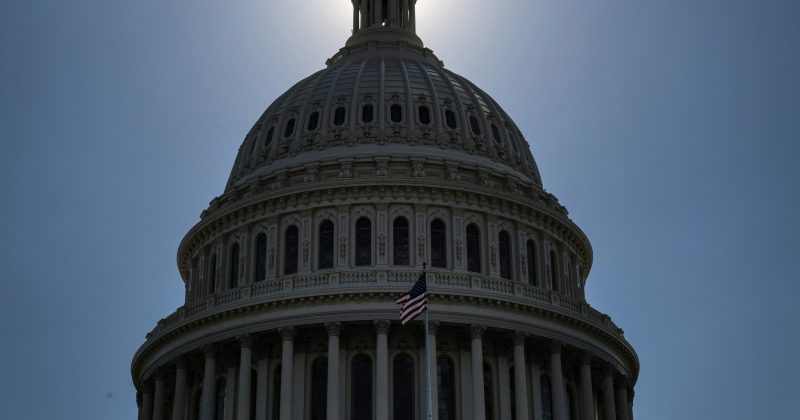
US House Votes to Halt Iran Military Actions in Symbolic Policy Shift
This legislative action serves as a symbolic rebuke of past high-pressure policies, potentially cooling regional tensions and impacting global market stability. As the political landscape shifts, the implications for international security and macroeconomic volatility remain a primary focus for global observers.

Bitcoin Dips Below $65K as Iran Tensions Drive Oil and Bond Yield Surge
As oil approaches the $100 mark, the macroeconomic landscape is shifting rapidly. With the odds of a Fed rate hike in July nearing 40%, market participants are reacting to the dual threat of Middle East volatility and tightening monetary policy, creating a high-pressure environment for BTC price forecasts.
