Chronic Oil Export Tax: Why Investors are Fleeing the Sector

The oil export tax, originally introduced as a temporary measure in 2023, has officially become a chronic burden following its third consecutive renewal. This shift has triggered a legal backlash from major oil companies, who are now taking the matter to court to challenge the government's continuous imposition of these levies.
Industry experts warn that this fiscal instability is driving a significant capital flight toward neighboring countries with more attractive tax regimes. The lack of regulatory predictability threatens to stifle long-term energy investments, potentially turning a short-term revenue grab into a long-term economic setback for the sector.
What was promised as a temporary fix has evolved into a permanent headache. The oil export tax, implemented in 2023, has been renewed for the third time, signaling a chronic taxation trend that is unsettling the market. In response, major oil companies are heading to court to contest the move, citing a breach of regulatory stability and economic expectations.
The warning from industry leaders is dire: Brazil is risking a massive exodus of capital to competing nations. This tax volatility acts as a deterrent for large-scale projects, as the energy sector requires decades of stability to justify the massive capital expenditures needed for exploration and production.
This is a summarized and adapted version by Artificial Intelligence. To read the complete original story, visit the official source.
Read Full Article at BlockTrendsSupport Jornal Bitcoin
Independent journalism, curated by AI, no clickbait. Keep the flame alive with any amount of BTC.
jonata@walletofsatoshi.comDaily Crypto Brief 📬
Subscribe to receive the curation of the most important Bitcoin and crypto news, summarized by AI. No spam.
Join more than 10,000 smart readers.
Related News

ETF Exodus: Bitcoin Funds Bleed $95 Million as Ether's Inflow Streak Snaps
Adding to the pressure, Ether ETFs ended a promising five-day inflow streak, posting a $52.08 million exit. With Solana seeing minor redemptions and XRP ETFs showing zero trading activity, the market is closely monitoring these ETF flows to determine if this capital flight is a temporary correction or a broader shift in sentiment.

Market Red Alert: Massive Outflows from Bitcoin ETFs and Private Credit Funds Signal Rising Risk
Crucially, redemption requests in the $2 trillion private credit market skyrocketed to $15.6 billion in the second quarter, dwarfing the outflows seen in Bitcoin ETFs. This massive movement in the credit space underscores a broader trend of de-risking that could have profound implications for both traditional finance and the crypto ecosystem.

Middle East Conflict: Iran Attacks and Oil Surge Trigger Crypto Market Volatility
The surge in oil prices is driving a flight to safety, a move that typically leaves highly volatile sectors exposed. As the conflict in the Gulf intensifies, the vulnerability of cryptocurrencies to geopolitical shocks becomes increasingly evident, underscoring the interconnectedness of energy markets and digital asset pricing.

Oil Surge: Middle East Tensions Drive Brent Up, Impacting Petrobras and PRIO
Investors holding positions in Petrobras, PRIO, or RECV3 must now navigate a landscape defined by geopolitical volatility and commodity price swings. The core question remains whether this upward trend in oil will provide a sustained boost to earnings or if the market is merely reacting to short-term geopolitical noise.

The Death of the Dollar? Why Pricing Real Estate in Bitcoin Exposes a Value Crisis
By viewing the housing market through a Bitcoin lens, investors are realizing that many 'price increases' are actually just reflections of currency debasement. This transition toward crypto-based accounting could trigger a massive capital flight from conventional banking systems into assets with mathematically proven scarcity.
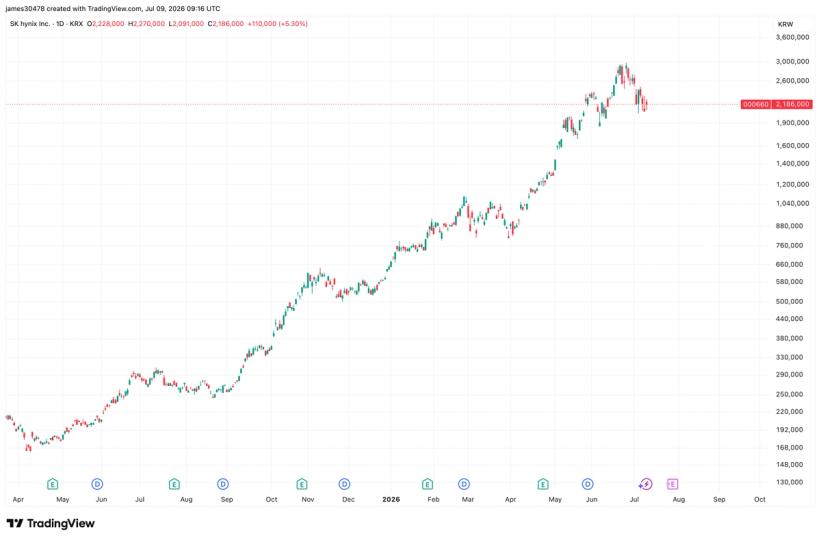
AI IPO Boom: Are Massive Tech Listings Leaving Crypto in the Dust?
This influx of capital into artificial intelligence could leave the crypto market struggling to maintain its momentum. As liquidity migrates toward these tech giants, the broader digital asset ecosystem faces the risk of being sidelined, potentially delaying the next major wave of institutional crypto adoption.
