Flashpoint: Iran Shoots Down US-Israeli Drone Over Bandar Abbas, Fueling Regional Chaos
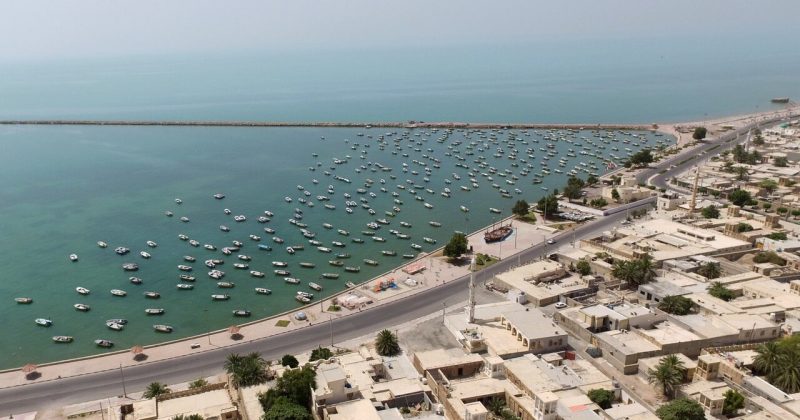
Iran has successfully intercepted and shot down a US-Israeli drone over the strategic area of Bandar Abbas, marking a severe escalation in Middle East hostilities. This direct military confrontation serves as a critical intel brief on the deteriorating security situation and the heightened risk of large-scale conflict.
Beyond the immediate tactical engagement, the incident threatens to destabilize global economic dynamics and reshape geopolitical alliances in the Gulf. The potential for retaliatory military actions poses a significant threat to regional stability and international energy security.
Iran shoots down a US-Israeli drone over Bandar Abbas amid surging regional tensions. The incident exacerbates regional instability, potentially escalating military actions and significantly impacting geopolitical and economic dynamics in the Gulf. This development signals a heightened state of alert for global security monitors.
This is a summarized and adapted version by Artificial Intelligence. To read the complete original story, visit the official source.
Read Full Article at Crypto BriefingSupport Jornal Bitcoin
Independent journalism, curated by AI, no clickbait. Keep the flame alive with any amount of BTC.
jonata@walletofsatoshi.comDaily Crypto Brief 📬
Subscribe to receive the curation of the most important Bitcoin and crypto news, summarized by AI. No spam.
Join more than 10,000 smart readers.
Related News

Drone Warfare Escalation: Ukraine Strikes 1,725 Russian Targets in 24 Hours
This escalation in drone warfare could fundamentally shift the conflict's dynamics, potentially bolstering Ukraine's strategic position. Furthermore, the outcome of such high-stakes operations is closely watched for its ability to impact market confidence and broader geopolitical stability.

Market Alert: US CPI and Fed Testimony Set to Redefine Interest Rate Trajectory
Should these indicators signal a prolonged high-rate environment, the consequences will be widespread, affecting borrowing costs and global economic growth projections. Investors must closely monitor these macroeconomic signals to navigate potential volatility and shifting monetary policy landscapes.
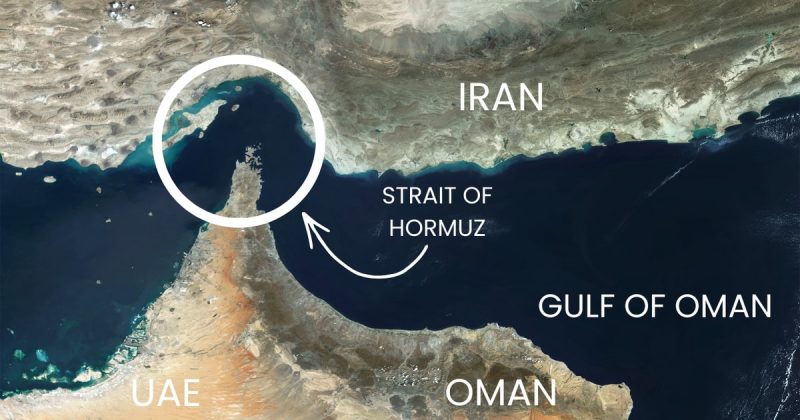
Oil Market Chaos: Prices Surge 5% as Iran Closes Strait of Hormuz
Experts warn that this blockade could lead to prolonged global oil supply disruptions and extreme price volatility. As geopolitical tensions escalate, the ripple effects are expected to impact broader financial markets, forcing investors to reassess risk in an increasingly unstable macroeconomic environment.

Hormuz Strait Under Fire: US-Iran Tensions Send Oil Prices Surging
Investors must now brace for significant market shifts as supply chain disruptions loom. The consequences extend far beyond the Middle East, potentially impacting global inflation rates and emerging economies like Brazil, making this a high-priority event for macro-economic analysis.
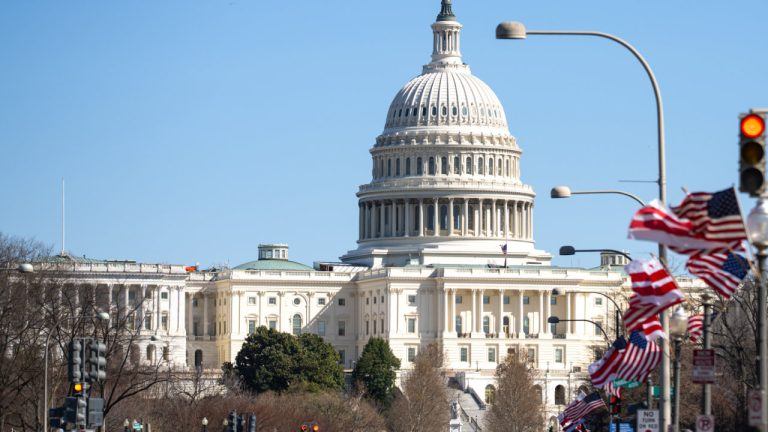
Make-or-Break Week: The Clarity Act Faces a High-Stakes Senate Showdown
This critical period coincides with a heavy economic calendar featuring fresh inflation data and pivotal Federal Reserve speeches. The intersection of legislative progress on the Clarity Act and macroeconomic shifts will likely determine the immediate trajectory for crypto market stability and institutional confidence.
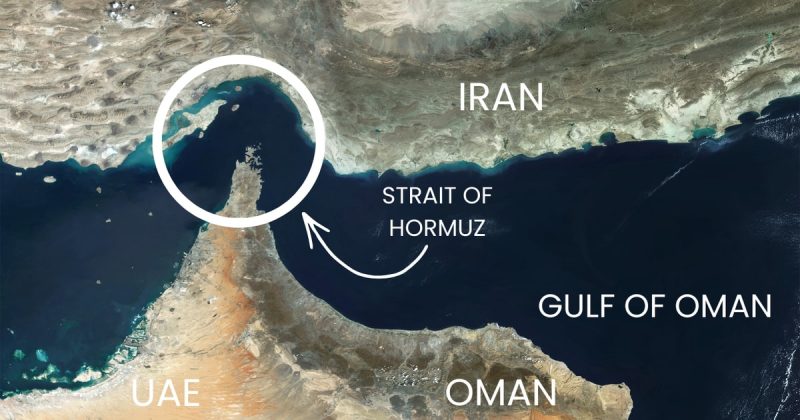
Strategic Pivot: ADNOC Shifts Offshore Crude Pricing to Dubai Benchmark Amid Strait Tensions
This pricing shift by ADNOC is expected to influence global oil prices as the market reacts to supply uncertainties. By aligning with the Dubai benchmark, the company seeks to insulate its operations from the volatility currently driving fluctuations in the global energy landscape.
