Hormuz Strait Under Fire: US-Iran Tensions Send Oil Prices Surging
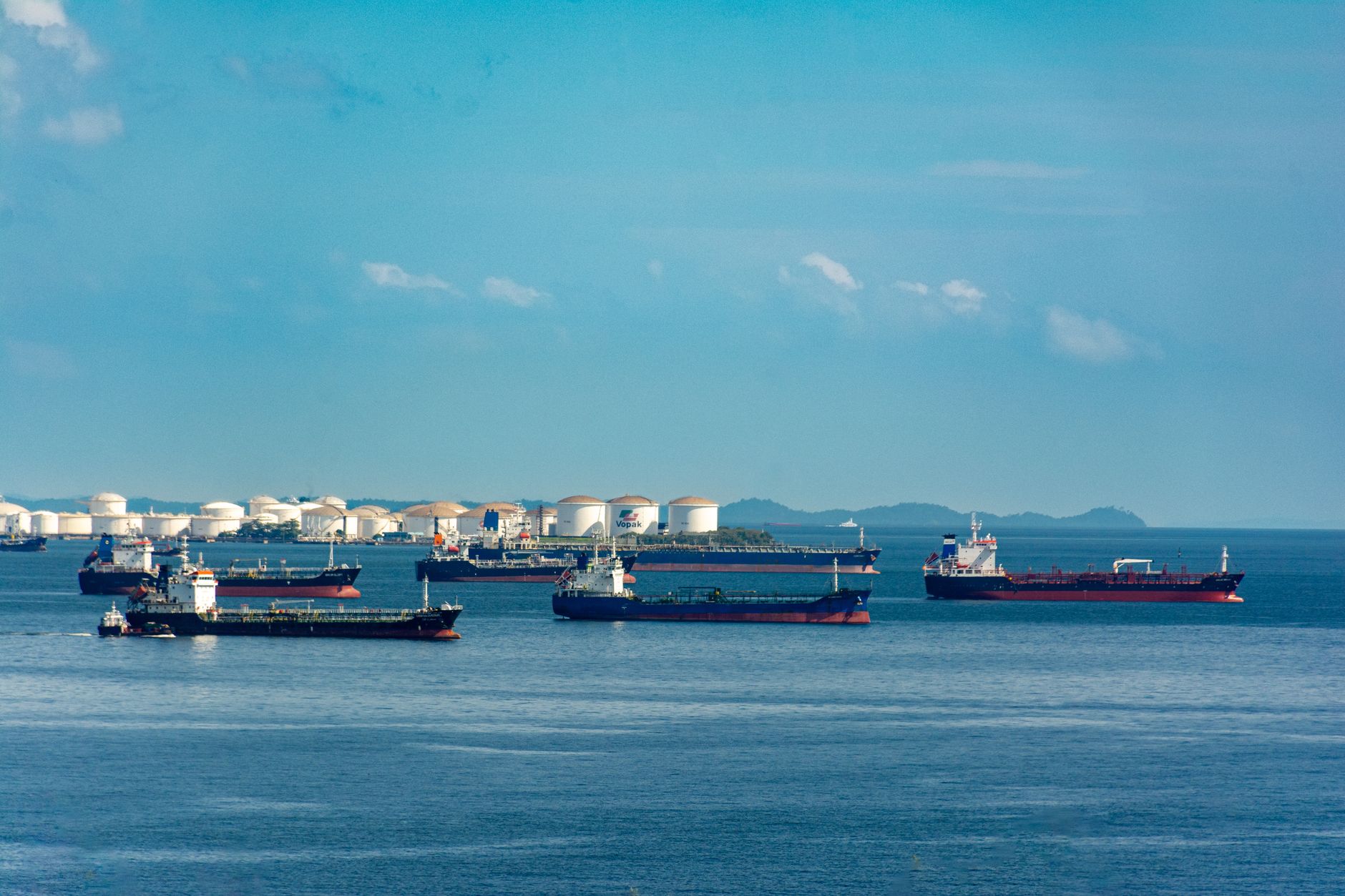
Global geopolitical tensions have reached a breaking point as renewed attacks between the US and Iran paralyze critical traffic through the Strait of Hormuz. This military escalation has immediately pushed oil prices above the $78 mark, signaling a period of intense volatility for energy markets.
Investors must now brace for significant market shifts as supply chain disruptions loom. The consequences extend far beyond the Middle East, potentially impacting global inflation rates and emerging economies like Brazil, making this a high-priority event for macro-economic analysis.
This is a summarized and adapted version by Artificial Intelligence. To read the complete original story, visit the official source.
Read Full Article at BlockTrendsSupport Jornal Bitcoin
Independent journalism, curated by AI, no clickbait. Keep the flame alive with any amount of BTC.
jonata@walletofsatoshi.comDaily Crypto Brief 📬
Subscribe to receive the curation of the most important Bitcoin and crypto news, summarized by AI. No spam.
Join more than 10,000 smart readers.
Related News

Geopolitical Chaos: Bitcoin Slumps as U.S.-Iran Tensions Rise Despite ETF Demand
The market is currently caught in a tug-of-war between macroeconomic instability and structural adoption. While the influx of capital into spot ETFs suggests a strong underlying foundation for digital assets, the immediate impact of Middle East volatility is proving too significant for the market to ignore in the short term.
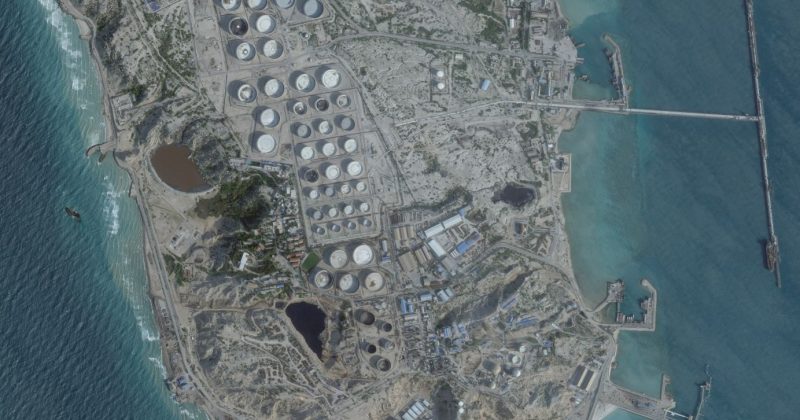
False Alarm? CENTCOM Denies U.S. Strikes on Iran's Kharg Island
While the immediate threat of a strike was dismissed, the underlying geopolitical instability remains a critical concern. The ongoing friction in U.S.-Iran relations continues to pose risks to regional stability and could trigger significant shifts in global market dynamics.
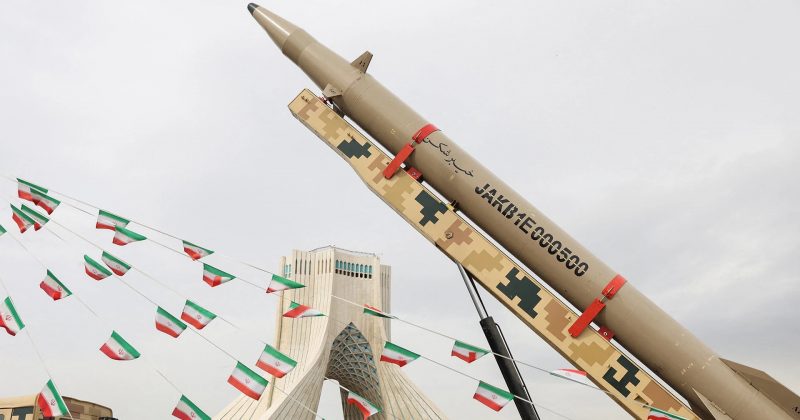
Middle East Crisis: Iran Missile Strikes Trigger Global Market Fears and Shipping Threats
Market analysts are closely monitoring the potential for massive disruptions in the Strait of Hormuz, a critical maritime chokepoint. Any significant impact on shipping routes could lead to severe supply chain volatility and heightened economic risks, forcing a re-evaluation of risk assets in the current climate.

Is the Bitcoin Bull Market Starting in September? 5 Critical Things to Watch This Week
As traders navigate through macro volatility, the focus remains on whether Bitcoin can stabilize after circling its lowest levels since Q3 2024. Understanding these five key developments this week is essential for anyone looking to position themselves ahead of the next major market cycle.

Bitcoin Dips Below $63K as Hormuz Geopolitical Tension Spikes Inflation Fears
Market data suggests a bleak outlook, with only a 3% chance of traffic normalization in the region by August. This geopolitical instability is fueling fears of sustained high inflation, creating a macro environment that is currently weighing heavily on Bitcoin price action and overall crypto market sentiment.

Drone Warfare Escalation: Ukraine Strikes 1,725 Russian Targets in 24 Hours
This escalation in drone warfare could fundamentally shift the conflict's dynamics, potentially bolstering Ukraine's strategic position. Furthermore, the outcome of such high-stakes operations is closely watched for its ability to impact market confidence and broader geopolitical stability.
