Geopolitical Friction: Iran Slams US Focus on 2028 Election Amid Stalled Talks
Iran's Foreign Minister has issued a sharp critique of the United States, accusing Washington of prioritizing the 2028 election cycle over critical diplomatic negotiations. This diplomatic deadlock poses a significant risk to international stability, as the stalled talks create a vacuum of leadership that often triggers volatility across global financial markets and crypto assets.
Adding complexity to the situation, reports suggest that Iran reconstruction funding under a potential 2026 deal is being discussed with a 28.5% benchmark. As geopolitical tensions rise, market participants are closely watching how this friction between major powers will influence liquidity and long-term economic forecasting in an increasingly fragmented world.
Iran's Foreign Minister has criticized the United States' preoccupation with the 2028 election cycle, noting that the focus on domestic politics is stalling essential negotiations. As diplomatic talks remain at a standstill, new details have emerged regarding Iran's reconstruction funding; a proposed 2026 deal reportedly involves a 28.5% figure, highlighting the high stakes of the ongoing economic and political standoff.
This is a summarized and adapted version by Artificial Intelligence. To read the complete original story, visit the official source.
Read Full Article at Crypto BriefingSupport Jornal Bitcoin
Independent journalism, curated by AI, no clickbait. Keep the flame alive with any amount of BTC.
jonata@walletofsatoshi.comDaily Crypto Brief 📬
Subscribe to receive the curation of the most important Bitcoin and crypto news, summarized by AI. No spam.
Join more than 10,000 smart readers.
Related News
Red Sea Crisis Escalates: IMO Warns of Massive Supply Chain Disruptions
With a high probability of a total shutdown by September 30, the global supply chain faces unprecedented risks of disruption. This geopolitical volatility is expected to impact international trade routes, potentially driving up costs and creating significant economic uncertainty across multiple sectors.
US House Greenlights $1.1T Defense Bill Featuring Strategic US-Israel Tech Pact
This massive spending comes at a volatile time, as geopolitical tensions rise with potential military threats from Houthi forces against Israel projected through 2026. The bill's focus on high-tech defense cooperation underscores the urgent need for technological superiority in modern warfare environments.
Elizabeth Warren Claims Clarity Act Would Empower Trump and 'Criminal Cartels'
This confrontation underscores the volatile political climate surrounding digital asset regulation in the U.S. As the Clarity Act moves through legislative discussions, the tension between establishing oversight and preventing political or criminal exploitation remains a central theme for the future of the crypto industry.
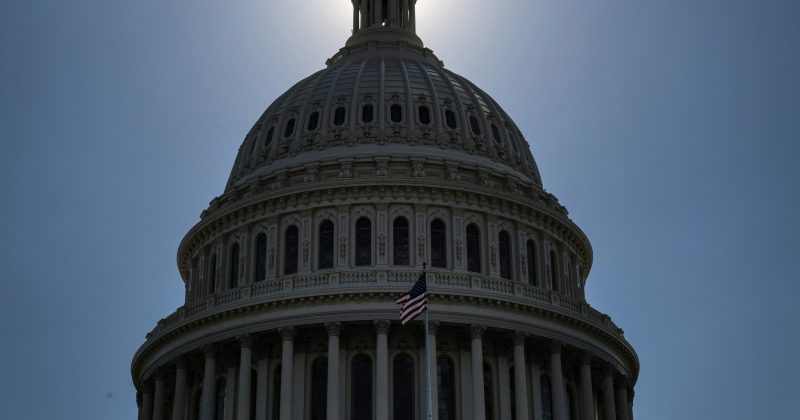
US House Votes to Halt Iran Military Actions in Symbolic Policy Shift
This legislative action serves as a symbolic rebuke of past high-pressure policies, potentially cooling regional tensions and impacting global market stability. As the political landscape shifts, the implications for international security and macroeconomic volatility remain a primary focus for global observers.
Bitcoin Dips Below $65K as Iran Tensions Drive Oil and Bond Yield Surge
As oil approaches the $100 mark, the macroeconomic landscape is shifting rapidly. With the odds of a Fed rate hike in July nearing 40%, market participants are reacting to the dual threat of Middle East volatility and tightening monetary policy, creating a high-pressure environment for BTC price forecasts.
Polymarket Odds Surge: Le Pen Climbs to 31% for 2027 French Election
The implications of this trend suggest that decentralized forecasting is becoming a critical tool for assessing geopolitical risk. As the Polymarket odds fluctuate, they provide a data-driven lens through which analysts can view the potential for political upheaval in Europe, moving beyond traditional polling to capture the raw sentiment of global participants.
