Geopolitical Shift: US Losing Grip on Iran Conflict, Analysts Warn
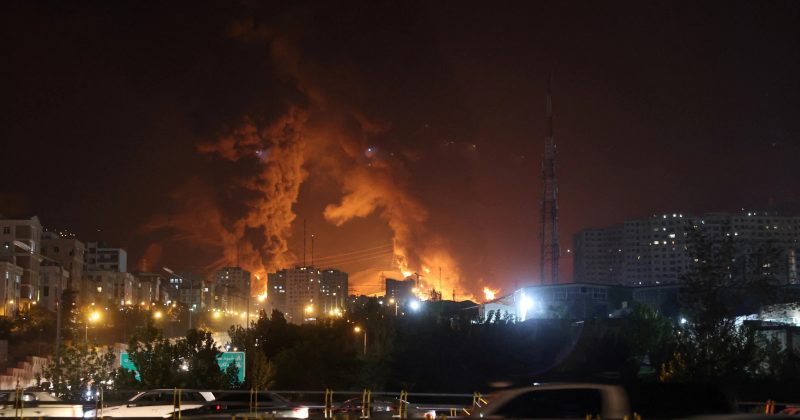
The global geopolitical landscape is shifting as analysts warn that the US is struggling to maintain control over the ongoing conflict with Iran. This diminishing influence signals a period of heightened regional instability that could disrupt international security frameworks and trigger massive market volatility.
As American leverage weakens, the path to a diplomatic resolution becomes increasingly narrow and complex. The potential for escalated tensions poses a significant threat to global stability, creating a high-risk environment for both traditional geopolitical actors and global financial markets.
This is a summarized and adapted version by Artificial Intelligence. To read the complete original story, visit the official source.
Read Full Article at Crypto BriefingSupport Jornal Bitcoin
Independent journalism, curated by AI, no clickbait. Keep the flame alive with any amount of BTC.
jonata@walletofsatoshi.comDaily Crypto Brief 📬
Subscribe to receive the curation of the most important Bitcoin and crypto news, summarized by AI. No spam.
Join more than 10,000 smart readers.
Related News

Global Crisis Looming: El Niño and Iran Conflict Fuel Food and Energy Price Fears
The interplay between climate instability and military conflict poses a significant threat to global economic stability and inflation rates. As food and energy prices face upward pressure, the potential for widespread economic destabilization remains a critical concern for global markets and policymakers alike.

Strategic Shift: NATO Antonov An-124 Lands in Jordan Amid Rising Regional Tensions
This development is closely tied to a potential NATO equipment withdrawal from Jordan, signaling a strategic pivot aimed at de-escalation. By repositioning assets, the alliance appears to be actively reducing the likelihood of a direct NATO-Russia military clash, attempting to navigate the complex web of global instability.
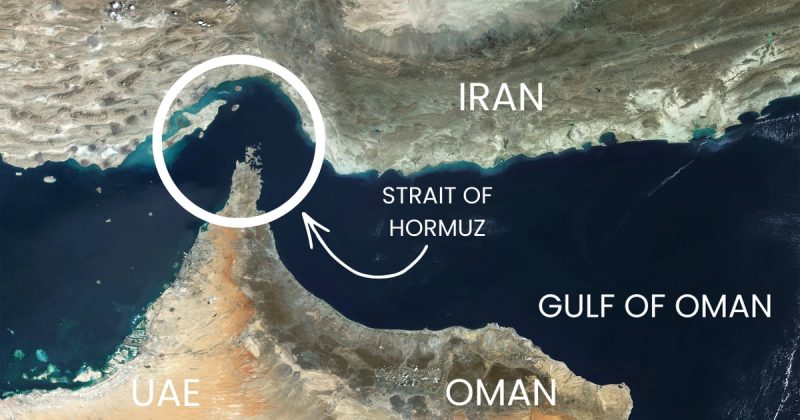
Oil Price Surge: US-Iran Clash in Strait of Hormuz Sparks Global Market Fears
Beyond the immediate spike, the ongoing friction threatens long-term global economic stability. As the energy markets react to the potential for supply disruptions, the ripple effects are expected to influence broader financial landscapes and commodity trading patterns.

Market Alert: 4 Critical Factors Set to Shake Crypto Markets This Week
Understanding these macroeconomic shifts is vital for navigating the current landscape. As inflation metrics influence Federal Reserve policy expectations, the geopolitical instability in the Middle East adds a layer of risk that could either drive investors toward digital assets or spark a broader flight to safety, impacting Bitcoin and the wider crypto ecosystem.

Geopolitical Tug-of-War: US-Iran Ceasefire Eases Crude, but Ukraine Strikes Keep Fuel Costs High
However, the relief is short-lived as Ukrainian strikes on Russian refineries continue to disrupt the supply chain of refined products. This persistent disruption ensures that fuel costs remain elevated, creating a complex macroeconomic environment where crude stability is offset by the high cost of refined energy.
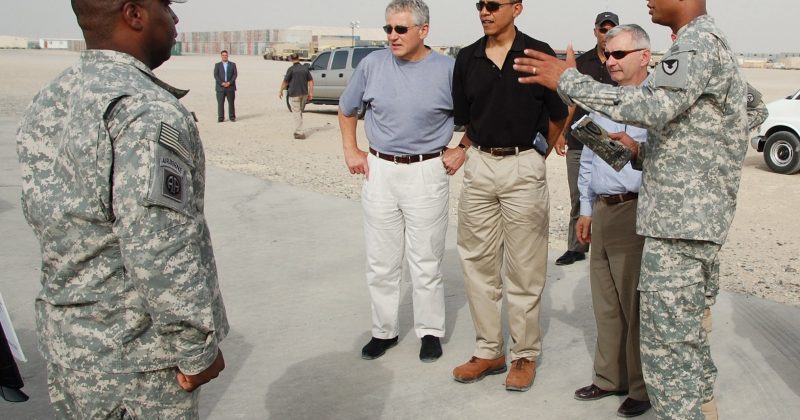
Explosions at US Military Base in Kuwait Fuel Iran Conflict Escalation
As the situation unfolds, the heightened risk of further military confrontations is expected to trigger significant volatility across global markets. Investors must prepare for potential shocks as the escalating conflict in the Middle East threatens to disrupt international stability and economic predictability.
