Geopolitical Tug-of-War: US-Iran Ceasefire Eases Crude, but Ukraine Strikes Keep Fuel Costs High
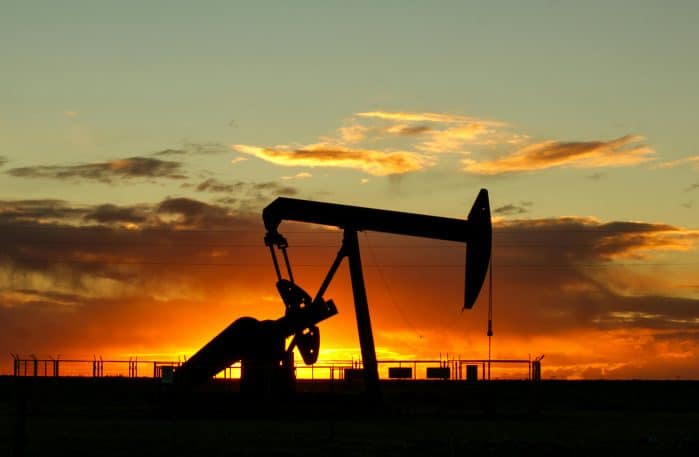
The global energy landscape is caught in a tug-of-war between diplomatic breakthroughs and kinetic warfare. A potential US-Iran ceasefire is acting as a stabilizing force for crude prices, providing much-needed relief to the volatile commodities market and offering a temporary hedge against supply shocks.
However, the relief is short-lived as Ukrainian strikes on Russian refineries continue to disrupt the supply chain of refined products. This persistent disruption ensures that fuel costs remain elevated, creating a complex macroeconomic environment where crude stability is offset by the high cost of refined energy.
This is a summarized and adapted version by Artificial Intelligence. To read the complete original story, visit the official source.
Read Full Article at Crypto BriefingSupport Jornal Bitcoin
Independent journalism, curated by AI, no clickbait. Keep the flame alive with any amount of BTC.
jonata@walletofsatoshi.comDaily Crypto Brief 📬
Subscribe to receive the curation of the most important Bitcoin and crypto news, summarized by AI. No spam.
Join more than 10,000 smart readers.
Related News
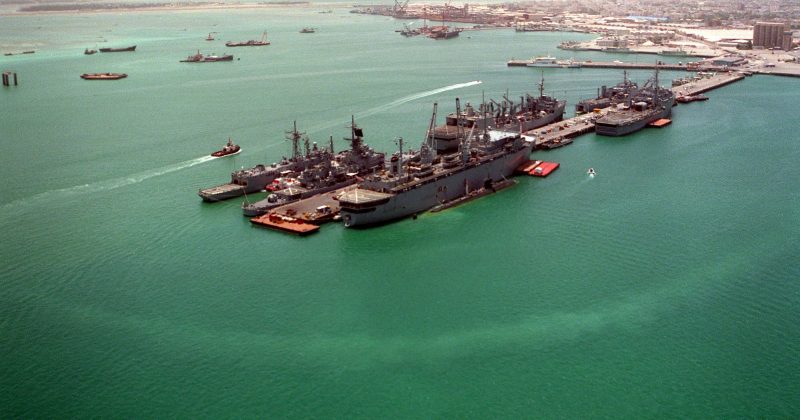
Iranian Strike Hits US 5th Fleet Warehouse in Bahrain: Middle East Conflict Escalates
This attack may prompt a strategic reassessment by the U.S., potentially altering military operations and regional stability in the Middle East. As tensions rise, the global community watches closely to see how this shift in military dynamics will impact broader economic security and market volatility.
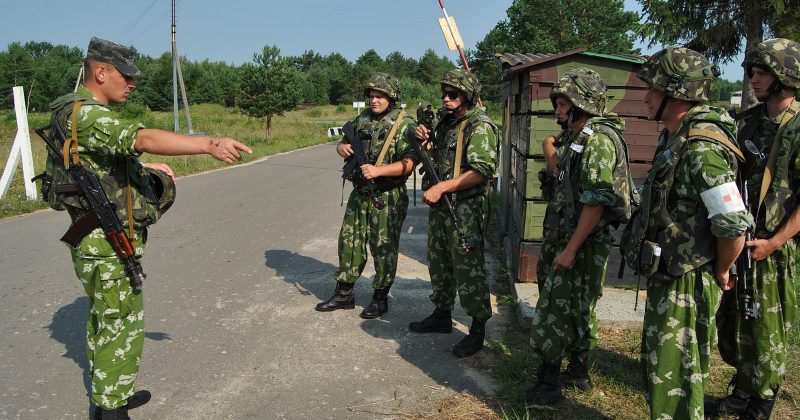
Russian Offensive Stalls: Limited Gains Signal Prolonged Conflict and Market Uncertainty
These strategic uncertainties are beginning to ripple through global prediction markets, as analysts struggle to price in the long-term geopolitical risks. The ongoing stalemate maintains a high level of volatility, keeping investors and strategists on edge regarding the next major escalation.
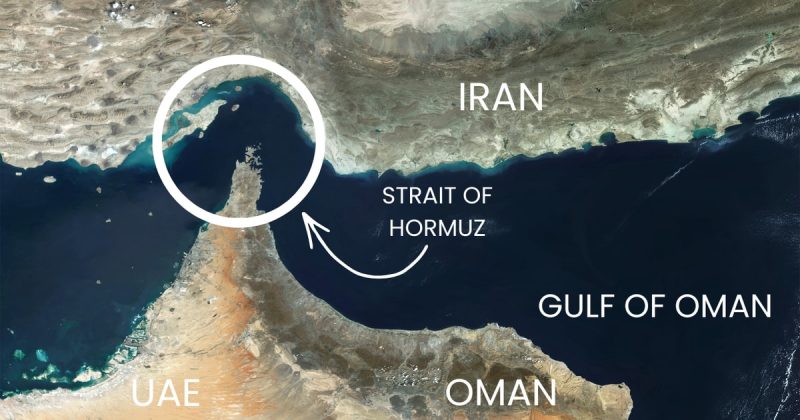
Geopolitical Shock: Hormuz Traffic Plummets Amid Renewed US-Iran Military Strikes
This geopolitical friction is more than a regional dispute; it is a systemic threat to economic stability. The ongoing escalation raises profound concerns regarding regional security and the broader economic impacts, potentially driving volatility across both energy commodities and global financial markets.

Bitcoin Defies Chaos: BTC Holds Steady as War-Driven Selloff Devastates Global Markets
This divergence highlights a growing trend where Bitcoin acts independently of traditional risk-off assets. As the global selloff hits conventional commodities and equities, Bitcoin's ability to maintain its price level suggests it is increasingly being viewed through a lens distinct from the immediate panic affecting legacy financial markets.
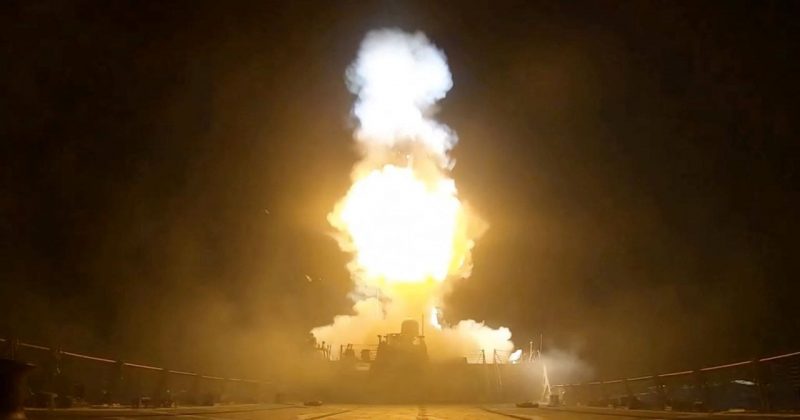
Geopolitical Escalation: Iran Claims Destruction of US Military Assets in Kuwait
Beyond the immediate military implications, the fallout poses a massive threat to global shipping routes and long-term economic stability. As market volatility intensifies, the potential for significant disruptions to global trade remains a primary concern for investors navigating high-risk geopolitical environments.
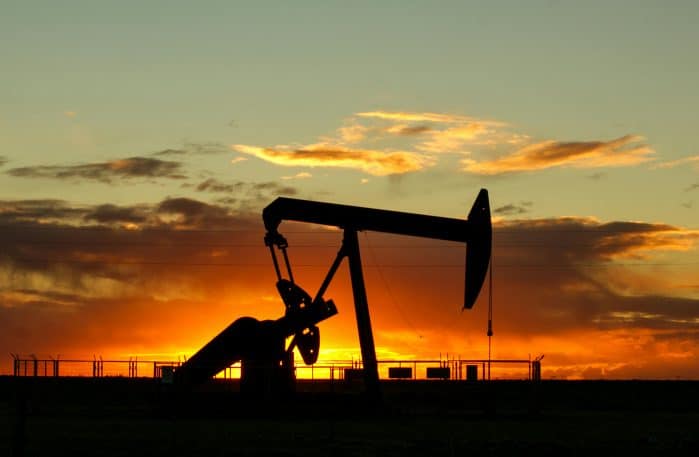
Global Crisis Looming: El Niño and Iran Conflict Fuel Food and Energy Price Fears
The interplay between climate instability and military conflict poses a significant threat to global economic stability and inflation rates. As food and energy prices face upward pressure, the potential for widespread economic destabilization remains a critical concern for global markets and policymakers alike.
