Diplomatic Shield: Why Netanyahu's Arrest in New York is Highly Unlikely
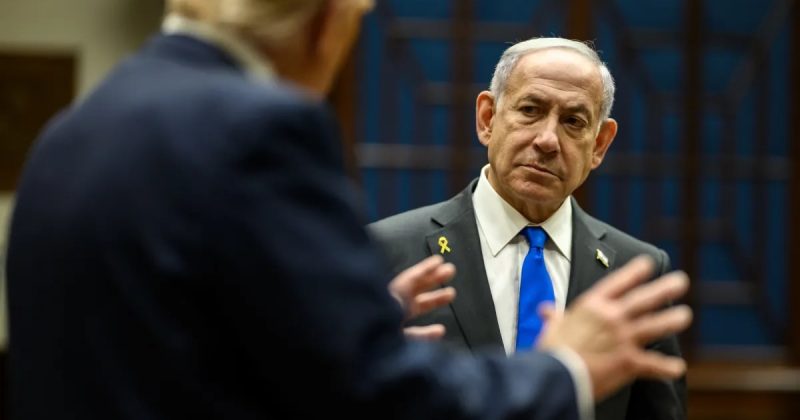
Benjamin Netanyahu's potential arrest in New York faces massive legal hurdles that make detention nearly impossible. The combined protections of the International Criminal Court (ICC) and UN diplomatic immunities provide a formidable barrier against any immediate enforcement actions on U.S. soil.
This legal deadlock underscores the friction between international justice and sovereign diplomatic protocols. As the world watches, the outcome of these protections will set a critical precedent for how global institutions navigate the arrest warrants of high-ranking world leaders and the limits of international law.
This is a summarized and adapted version by Artificial Intelligence. To read the complete original story, visit the official source.
Read Full Article at Crypto BriefingSupport Jornal Bitcoin
Independent journalism, curated by AI, no clickbait. Keep the flame alive with any amount of BTC.
jonata@walletofsatoshi.comDaily Crypto Brief 📬
Subscribe to receive the curation of the most important Bitcoin and crypto news, summarized by AI. No spam.
Join more than 10,000 smart readers.
Related News
Polymarket Shock: Eizenkot Odds Hit 51% for Israel PM Ahead of Critical Likud Vote
This development coincides with a high-stakes Monday vote within the Likud party, where members will decide on Benjamin Netanyahu’s long-delayed proposal for party primaries. The intersection of prediction market volatility and Israeli political maneuvering suggests a period of intense uncertainty for the nation's governance.

Mercedes faces potential US sales ban: Senate China bill targets automakers with Chinese ownership
Context and impact: While this is an auto-industry move, it reverberates across the connected-tech stack where data, connectivity, and cross-border supply chains matter. The Senate’s “China bill” could raise timelines, costs, and regulatory uncertainty for foreign-owned automakers, pressuring ownership reviews, compliance audits, and partner renegotiations.
Jamie Dimon's Warning: Why the JPMorgan CEO is Avoiding Stocks and Long-Term Bonds
This defensive stance highlights a growing skepticism regarding market valuations and the potential for sudden volatility. As Dimon shifts away from aggressive positioning, his insights provide a crucial perspective on the macroeconomic landscape, suggesting that the current appetite for risk may be disconnected from underlying fiscal realities.
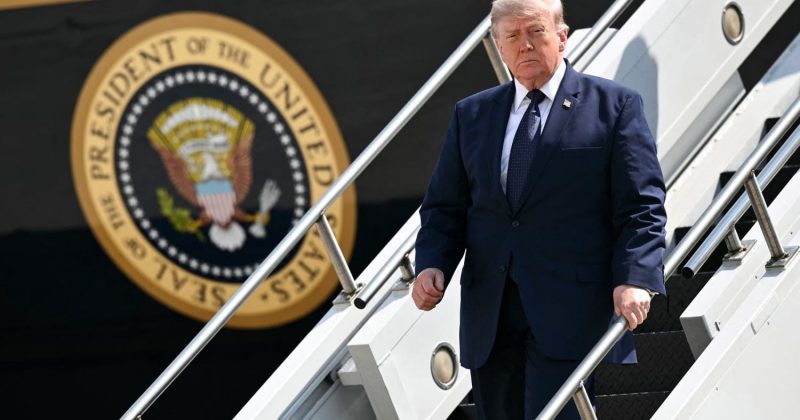
Trump’s Trade War Escalation: Why Crypto is Emerging as an Unlikely Safe Haven
This unusual synergy suggests that while traditional trade wars destabilize fiat currencies and global markets, the pro-crypto stance of the administration could position digital assets as a vital safe haven. Investors may increasingly turn to the crypto ecosystem to hedge against the systemic risks posed by escalating protectionism and trade disputes.
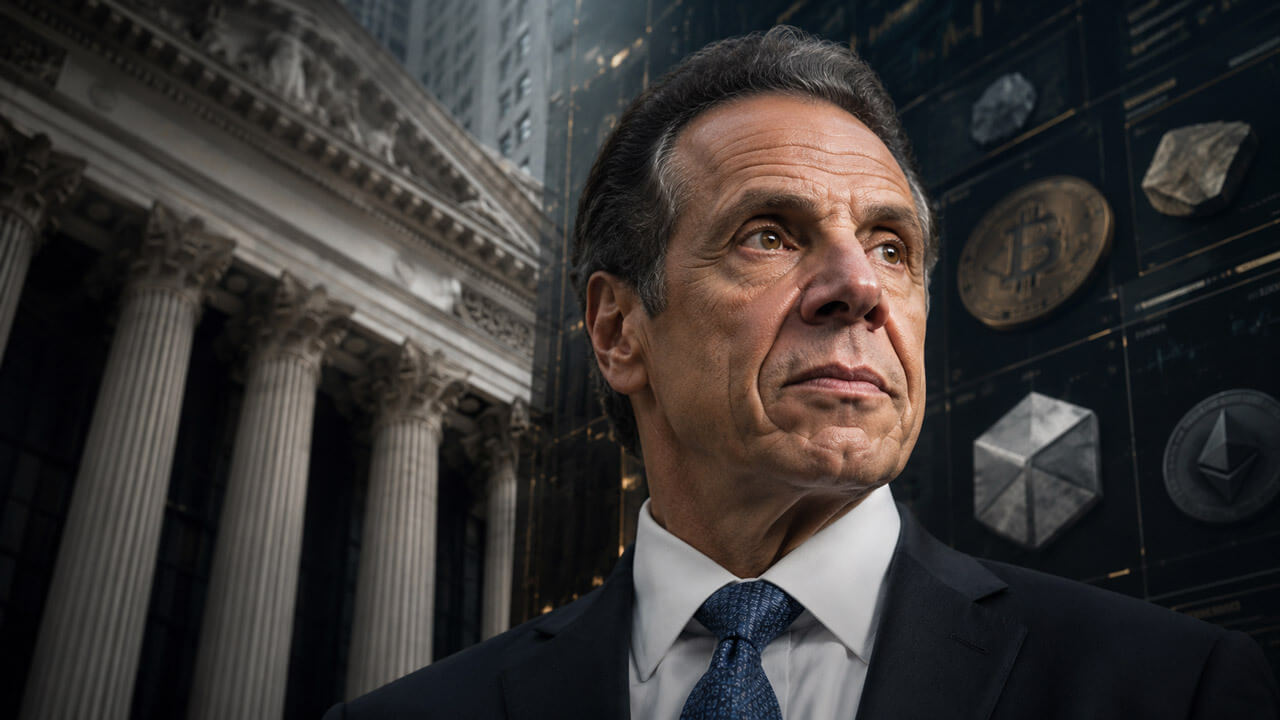
Why OKX Hired Andrew Cuomo: Crypto’s Next Battle is for Institutions, Not Users
This development underscores a fundamental pivot in the industry: the primary battlefield is no longer user acquisition, but institutional integration. By aligning with the operators of the New York Stock Exchange, OKX is positioning itself at the epicenter of the convergence between traditional finance and the digital asset economy.
Market Shock: Trump Proposes 50% Tariffs on Canadian Goods, Triggering Global Uncertainty
This escalation in trade tensions carries heavy implications for crypto investors and traditional asset holders alike. As market volatility increases due to these geopolitical shifts, investors are closely watching for potential flight-to-safety moves and the broader impact on liquidity and risk appetite in the digital asset space.
