Senate Deadlock: Democrats Reject CLARITY Act Amid Intense Crypto Ethics Battle
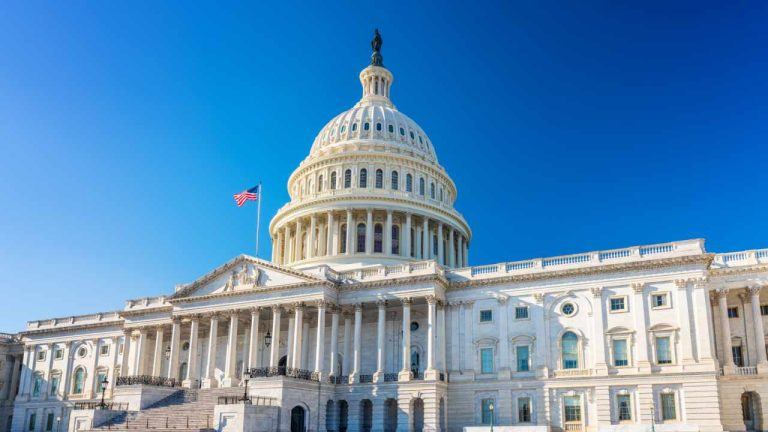
A significant legislative hurdle has emerged as seven Senate Democrats rejected the latest draft of the CLARITY Act. The dissenters claim the bill fails to provide adequate safeguards regarding ethics, consumer protection, and the prevention of illicit finance, stalling progress on critical crypto market structure legislation.
This clash highlights a deep ideological divide: while Republicans argue the bill introduces the strongest federal ethics rules ever proposed for digital assets, Democrats view it as insufficient. The ongoing dispute over crypto regulation threatens to prolong the period of regulatory uncertainty for the entire digital asset industry.
Republicans, conversely, maintain that the bill represents the most stringent federal ethics framework ever proposed for digital assets. As the dispute intensifies, the path toward clear, comprehensive crypto regulation remains uncertain, leaving the industry caught in a tug-of-war between party leaders.
This is a summarized and adapted version by Artificial Intelligence. To read the complete original story, visit the official source.
Read Full Article at Bitcoin.comSupport Jornal Bitcoin
Independent journalism, curated by AI, no clickbait. Keep the flame alive with any amount of BTC.
jonata@walletofsatoshi.comDaily Crypto Brief 📬
Subscribe to receive the curation of the most important Bitcoin and crypto news, summarized by AI. No spam.
Join more than 10,000 smart readers.
Related News

Geopolitical Alert: US Deploys B-1 Bombers Amid Escalating Iran Conflict
This escalation carries profound implications for global stability and market volatility. As the threat of military action intensifies, the impact on risk appetite and the broader economic landscape remains a primary concern for those tracking the intersection of defense news and global financial markets.
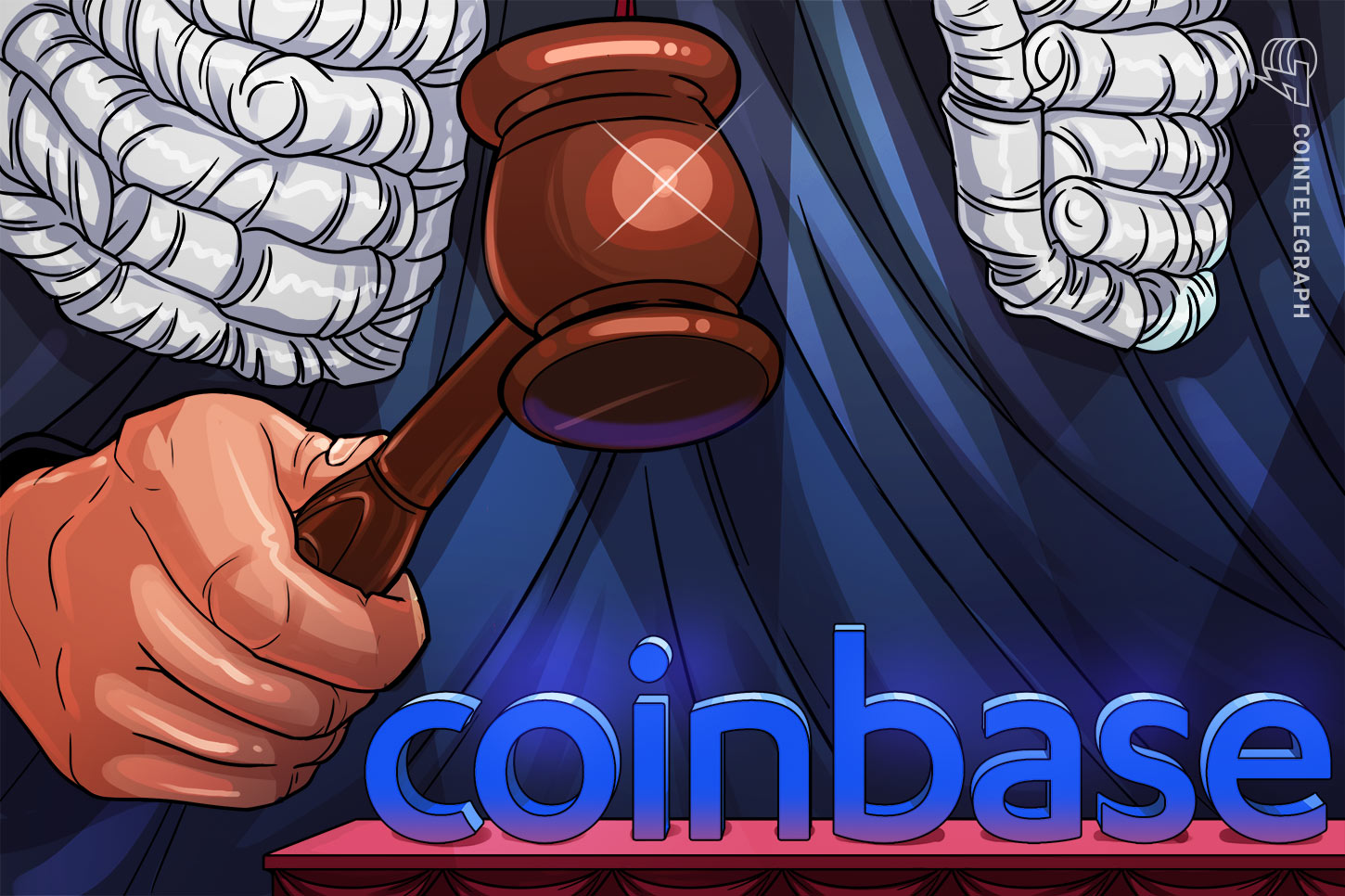
SEC Settlement: Coinbase Wins Legal Battle Over Missing Gary Gensler Texts
The settlement follows a damning report revealing that the SEC lost nearly a year of text messages from former Chair Gary Gensler due to 'avoidable errors' in record-keeping. This failure by the very agency tasked with policing corporate transparency has provided Coinbase with significant leverage, highlighting systemic flaws in the regulator's data retention policies during its most aggressive anti-crypto campaign.
The RWA Paradox: Why Tokenized Assets Are Stalling Despite the Hype
The core challenge lies in the absence of a unified global infrastructure. For blockchain-based investments to become a staple in diversified portfolios, the industry must overcome the divide between various Layer 1 protocols and establish seamless systems that allow capital to move fluidly across disparate ecosystems.

Global Alert: US State Department Issues Travel Caution Amid Middle East Tensions
Adding complexity to the situation, reports suggest that Iran reconstruction funding could reach 28.5% under a potential US-Iran deal by 2026. As these geopolitical tensions unfold, the intersection of international diplomacy and global economic stability remains a critical focal point for market participants.

Ripple Named CNBC’s Top Fintech for 2026 as Digital Assets Hit Institutional Era
As banks and asset managers increasingly adopt blockchain technology, the industry is witnessing a fundamental transformation. The era of crypto hype is being replaced by a period of deep integration, where blockchain serves as the essential backbone for issuing assets and managing global money transfers.

US Airstrike Kills Two at Shalamcheh Border: Geopolitical Tensions Surge
As geopolitical tensions rise, market analysts are closely watching for potential ripple effects on global finance. The uncertainty surrounding the Iranian regime and regional security could drive significant volatility in the crypto market, as investors pivot toward Bitcoin as a hedge against sudden geopolitical shocks.
