Ripple Named CNBC’s Top Fintech for 2026 as Digital Assets Hit Institutional Era

Ripple has secured a spot on CNBC’s elite 2026 fintech list, signaling a massive shift in the financial landscape. This recognition underscores how digital assets are moving past speculation to become core components of institutional infrastructure, specifically in payments, custody, and tokenization.
As banks and asset managers increasingly adopt blockchain technology, the industry is witnessing a fundamental transformation. The era of crypto hype is being replaced by a period of deep integration, where blockchain serves as the essential backbone for issuing assets and managing global money transfers.
Ripple has been officially recognized by CNBC as a top fintech firm for 2026, marking a pivotal moment in the institutionalization of digital assets. The report highlights that the sector is moving beyond speculative trading as banks, asset managers, and major payment companies begin to adopt blockchain infrastructure for their core operations.
Ripple is specifically lauded for its technological advancements in payments, custody solutions, and asset tokenization. This shift demonstrates that blockchain is successfully moving beyond the initial crypto hype, evolving into a critical infrastructure layer used to issue assets and facilitate seamless global financial services.
This is a summarized and adapted version by Artificial Intelligence. To read the complete original story, visit the official source.
Read Full Article at Bitcoin.comSupport Jornal Bitcoin
Independent journalism, curated by AI, no clickbait. Keep the flame alive with any amount of BTC.
jonata@walletofsatoshi.comDaily Crypto Brief 📬
Subscribe to receive the curation of the most important Bitcoin and crypto news, summarized by AI. No spam.
Join more than 10,000 smart readers.
Related News

Global Alert: US State Department Issues Travel Caution Amid Middle East Tensions
Adding complexity to the situation, reports suggest that Iran reconstruction funding could reach 28.5% under a potential US-Iran deal by 2026. As these geopolitical tensions unfold, the intersection of international diplomacy and global economic stability remains a critical focal point for market participants.

Injective Targets Institutional Capital with SEC Transfer Agent Filing for RWA Expansion
By securing this registration, Injective aims to provide the necessary legal framework for the seamless tokenization of traditional assets. This development is expected to trigger a surge in institutional liquidity as the platform becomes a compliant gateway for RWA integration on-chain.
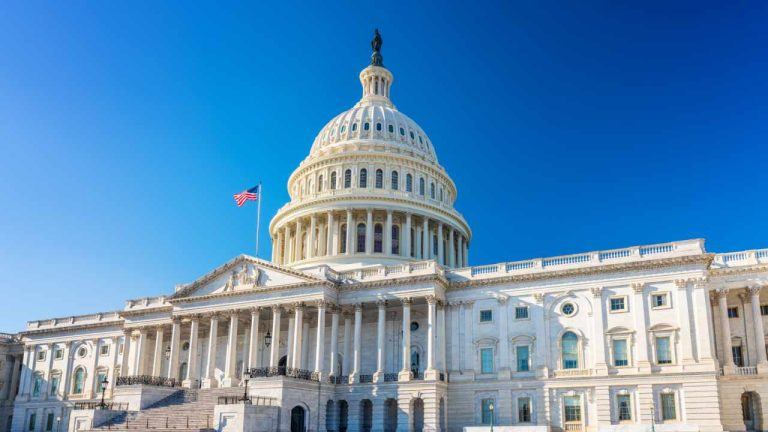
Senate Deadlock: Democrats Reject CLARITY Act Amid Intense Crypto Ethics Battle
This clash highlights a deep ideological divide: while Republicans argue the bill introduces the strongest federal ethics rules ever proposed for digital assets, Democrats view it as insufficient. The ongoing dispute over crypto regulation threatens to prolong the period of regulatory uncertainty for the entire digital asset industry.

US Airstrike Kills Two at Shalamcheh Border: Geopolitical Tensions Surge
As geopolitical tensions rise, market analysts are closely watching for potential ripple effects on global finance. The uncertainty surrounding the Iranian regime and regional security could drive significant volatility in the crypto market, as investors pivot toward Bitcoin as a hedge against sudden geopolitical shocks.

US Crackdown: $130M Crypto Wallet Linked to Iran’s Revolutionary Guard Frozen
As the crackdown intensifies, the broader geopolitical landscape remains volatile. Market analysts are closely watching the intersection of crypto regulation and international diplomacy, especially with speculation regarding a potential final nuclear deal that could emerge by August 13, 2026, potentially shifting the global economic paradigm.
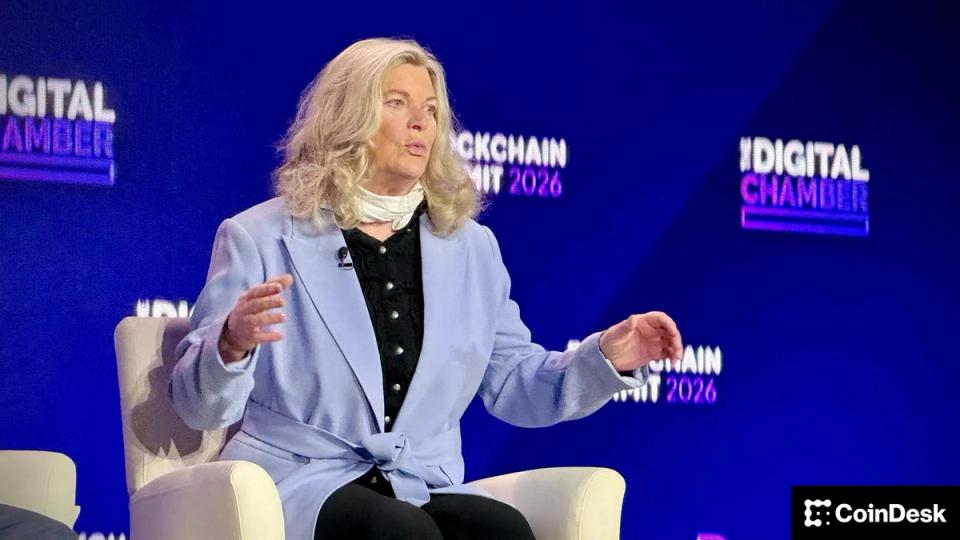
Crypto Clarity Act Update: Senator Lummis Signals Major Regulatory Breakthrough
Moving forward, the legislative focus will shift toward critical ethics provisions and specific regulatory nuances. The outcome of these discussions will be instrumental in determining the operational boundaries for crypto firms and could pave the way for significant institutional integration into the blockchain economy.
