Geopolitical Shockwave: Iran's Grip on Strait of Hormuz Sends Oil Prices Surging
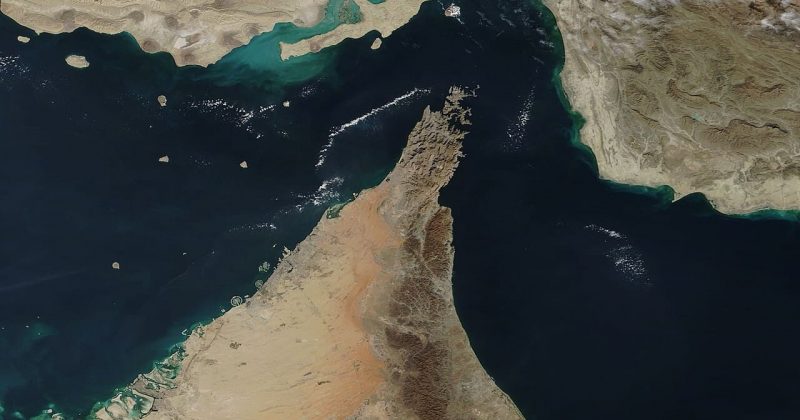
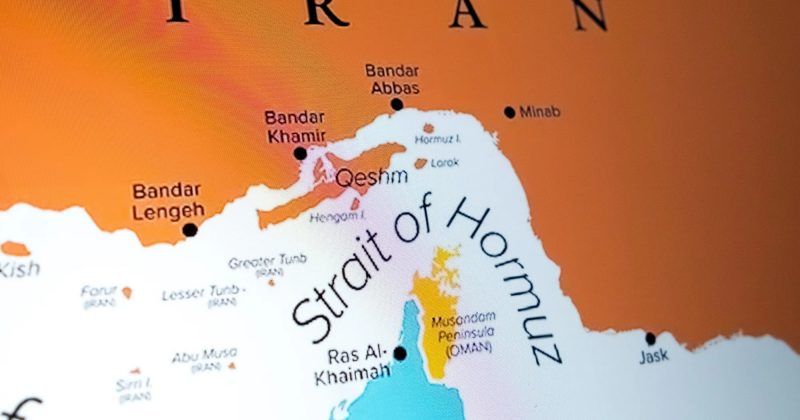
Geopolitical tensions have escalated as Iran asserts dominant control over the Strait of Hormuz, a vital artery for global energy transit. This strategic maneuver exposes deep vulnerabilities in global oil supply chains, triggering immediate volatility across international energy markets.
As disruptions loom, the market is bracing for sustained elevated oil prices driven by supply insecurity. The long-term consequences of this standoff could reshape energy economics, forcing global players to navigate a landscape defined by heightened geopolitical risk and unpredictable commodity fluctuations.
Iran's assertion of control over the Strait of Hormuz highlights critical vulnerabilities in global oil supply chains. This strategic dominance poses a significant threat to energy stability, potentially sustaining elevated oil prices as the market reacts to the heightened risk of supply disruptions.
This is a summarized and adapted version by Artificial Intelligence. To read the complete original story, visit the official source.
Read Full Article at Crypto BriefingSupport Jornal Bitcoin
Independent journalism, curated by AI, no clickbait. Keep the flame alive with any amount of BTC.
jonata@walletofsatoshi.comDaily Crypto Brief 📬
Subscribe to receive the curation of the most important Bitcoin and crypto news, summarized by AI. No spam.
Join more than 10,000 smart readers.
Related News

Bitcoin Calm Before the Storm? July 17 Oil Deadline Triggers Iran Shock
With the replacement General License X1 strictly limiting transactions to a wind-down period ending July 17, the window for Iranian petroleum and petrochemical trades is slamming shut. This tightening of sanctions creates a high-stakes environment that could force a shift in investor sentiment, potentially linking energy market instability to Bitcoin price action.
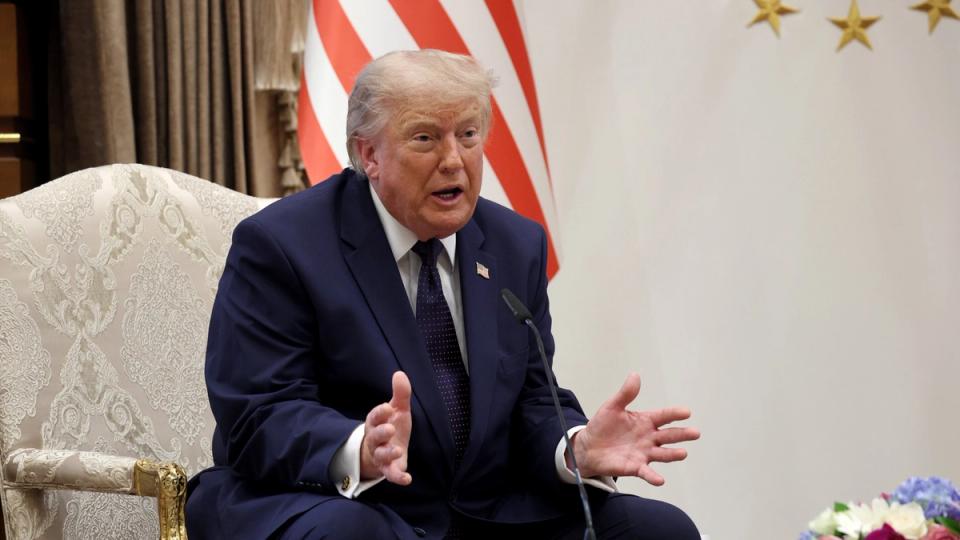
Middle East Conflict Ignites Oil Prices, Deepening Bitcoin's Inflation Dilemma
As energy costs climb, the risk of persistent inflation increases, potentially forcing central banks to maintain hawkish stances for longer. Investors are now weighing whether Bitcoin will fulfill its promise as a hedge against systemic instability or if the rising cost of energy will dampen the broader crypto market rally.
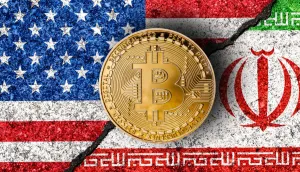
Geopolitical Shock: Bitcoin Drops 2% as Trump Ends Iran Peace Deal
As Bitcoin threatens to break below the critical US$ 62,000 support level, the market is bracing for increased volatility. The ongoing tension in the Middle East serves as a major catalyst, driving risk-off sentiment and forcing traders to reassess their positions in the crypto market amid global instability.
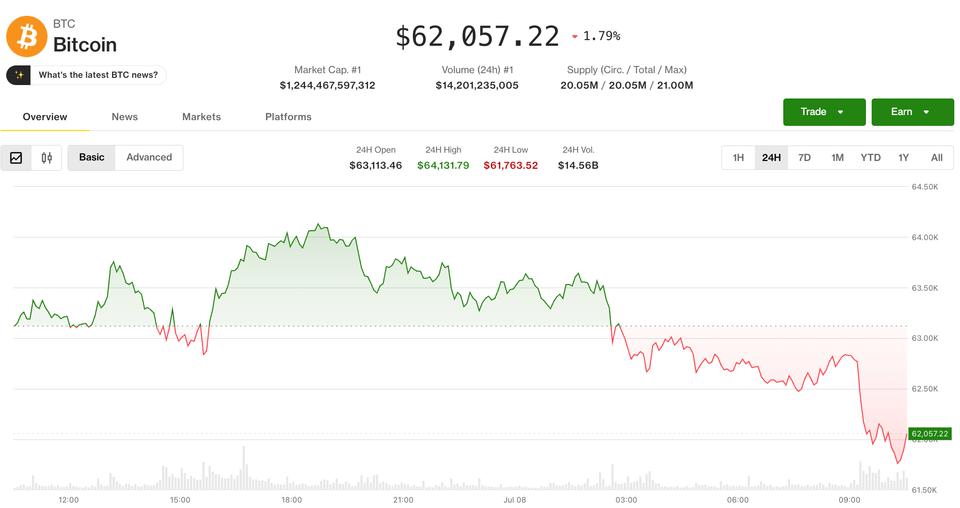
Market Meltdown: Crypto and Stocks Tumble as Trump Declares Iran Ceasefire 'Over'
As the U.S. and Iran engage in direct military exchanges, the resulting volatility is reshaping the risk landscape for digital assets. The immediate impact of these airstrikes highlights how deeply geopolitical instability can disrupt the crypto market, driving a rapid flight to liquidity as uncertainty dominates the global economic outlook.

Ukraine Drone Strike on Omsk Refinery Shifts Polymarket Odds for United Russia
As repairs begin on the damaged distillation units, the broader implications for Russian oil production and geopolitical stability remain uncertain. The intersection of drone strikes and market volatility highlights how physical warfare is now directly influencing real-time forecasting and political betting landscapes.
Strait of Hormuz Crisis: Iran Accuses US of Violating Maritime Traffic Agreement
The potential fallout from this dispute extends far beyond regional borders, posing a direct threat to global oil markets and international economic stability. As tensions rise in the Strait of Hormuz, the ripple effects could trigger massive volatility across global energy sectors and broader financial markets.
