Livestock on the Blockchain: Brazil Uses Tokenized Cows as Loan Collateral on B3

Brazil is pioneering a new frontier in decentralized finance by using tokenized livestock as collateral for loans on the B3 stock exchange. A recent transaction involving ten dairy cows secured a $19,600 loan, marking a significant milestone for the integration of Real World Assets (RWA) within the traditional financial system.
By leveraging AI-powered smart collars from Cowmed, the deal ensures high-fidelity monitoring of animal health, effectively digitizing biological assets. This synergy between agrotech and blockchain technology, structured by Target FIDC, provides a scalable blueprint for how tokenization can revolutionize agricultural credit and risk management.
Brazil's B3 stock exchange has witnessed a groundbreaking application of blockchain technology in the agricultural sector. A loan of 100,000 Brazilian reais ($19,600) was recently secured by ten dairy cows from Fazenda Engenho Velho in Paraná, valued at approximately $23,500.
Each cow was assigned a unique digital token linked to an encrypted identity, ensuring transparency and traceability. To bolster security, the agrotech firm Cowmed provided AI-powered smart collars to monitor each animal's health in real-time. This integration of IoT and tokenization minimizes the need for physical inspections and sets a new standard for using Real World Assets (RWA) in global credit markets.
This is a summarized and adapted version by Artificial Intelligence. To read the complete original story, visit the official source.
Read Full Article at CoinTelegraphSupport Jornal Bitcoin
Independent journalism, curated by AI, no clickbait. Keep the flame alive with any amount of BTC.
jonata@walletofsatoshi.comDaily Crypto Brief 📬
Subscribe to receive the curation of the most important Bitcoin and crypto news, summarized by AI. No spam.
Join more than 10,000 smart readers.
Related News

Buy the Dip? Analyst Claims Buying Bitcoin Today is Like Buying at $2
This bullish outlook is driven by a crucial metric that has officially dropped into oversold territory. In previous market cycles, this specific technical condition has consistently formed the cycle bottom, indicating that the current price action could be the final stage of accumulation before a major breakout.
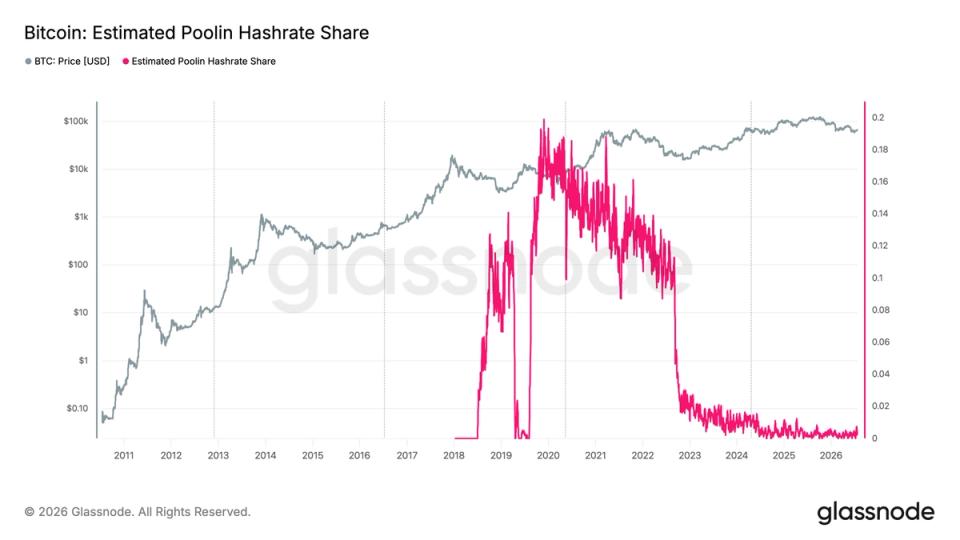
From Dominance to Debt: Bitcoin Mining Giant Poolin Files for Bankruptcy
Facing a staggering debt of $173 million, the company is now liquidating its remaining assets to settle obligations. This downfall serves as a stark warning regarding the high-stakes risks and massive liabilities inherent in large-scale Bitcoin mining operations.

TRON Joins S&P Pantera Digital Asset Index as Institutional Benchmarking Hits Blockchain Networks
By positioning TRON among the top protocols in this benchmark, the index provides a high-level validation of the network's utility and scale. This expansion is expected to bridge the gap between decentralized applications (dApps) and traditional institutional finance, driving deeper liquidity and professional oversight into the TRON ecosystem.

The Debt Clock is Ticking: How Corporate Bitcoin Treasuries Could Force Billions in Sales
Research from Matthew Sigel at VanEck highlights that these corporate obligations are not infinite. As redemption dates and dividend requirements approach, companies may be forced to liquidate their digital assets to meet debt obligations, potentially flooding the market with billions in Bitcoin supply.

Crypto Giant OranjeBTC Launches Bitcoin.com.br: Brazil's Ultimate Bitcoin Hub
By integrating a specialized marketplace, real-time news, and critical network data, the platform aims to bridge the gap between users and the crypto ecosystem. With advanced tools and direct access to industry players, bitcoin.com.br is positioned to lead the digital asset landscape in the region.

India Orders Takedown of Jack Dorsey’s Bitcoin-Linked Bitchat App
This crackdown highlights the escalating conflict between government control and decentralized technology. By targeting mesh networking tools, the Indian government aims to dismantle the communication infrastructure used by activists, posing a significant challenge to the adoption of privacy-focused bitcoin tools and resilient digital networks.
