Hormuz Strait Tension: Polymarket Odds for Normal Traffic by 2026 Plunge to 56.5%
Geopolitical instability is hitting prediction markets hard as Polymarket odds for normalized traffic in the Strait of Hormuz by 2026 have plummeted to 56.5%. This sharp decline reflects growing investor anxiety regarding potential maritime blockades or disruptions in one of the world's most vital energy chokepoints.
The catalyst for this shift is the Iranian parliament's move to draft new legislation focused on the 'management of the Strait of Hormuz.' This legislative push toward tighter control over the waterway signals a potential shift in regional power dynamics and could trigger massive volatility in global energy markets.
Market sentiment is shifting toward caution as Polymarket odds for normal traffic through the Strait of Hormuz by 2026 have dropped to 56.5%. The uncertainty stems from recent developments in Iran, where parliament has begun drafting legislation specifically aimed at the 'management of the Strait of Hormuz.' This move highlights potential structural changes in how the critical waterway is governed, posing a direct threat to global shipping stability and oil transit.
This is a summarized and adapted version by Artificial Intelligence. To read the complete original story, visit the official source.
Read Full Article at Blockchain.newsSupport Jornal Bitcoin
Independent journalism, curated by AI, no clickbait. Keep the flame alive with any amount of BTC.
jonata@walletofsatoshi.comDaily Crypto Brief 📬
Subscribe to receive the curation of the most important Bitcoin and crypto news, summarized by AI. No spam.
Join more than 10,000 smart readers.
Related News

China's Export Surge Defies Geopolitical Tensions to Boost Asian Markets
Even as tensions escalate between the US and Iran, the robust performance of China's trade sector is helping to stabilize regional markets. The resilience shown in these latest economic indicators could serve as a primary driver for risk assets in the near term.
Oil Price Surge: US-Iran Tensions Trigger Massive Two-Day Rally
Beyond immediate market volatility, this trend poses a significant threat to global economies by potentially driving up inflation. As energy prices climb, nations may face intense pressure to restructure their energy policies to mitigate the impact on economic growth and consumer stability.
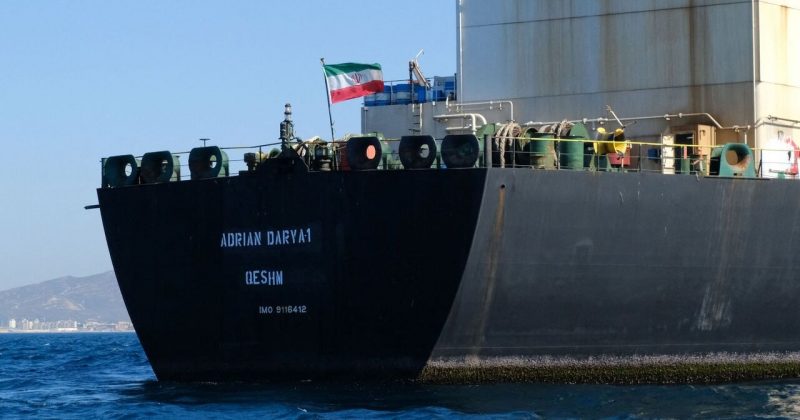
Iran's $6B Oil Play: How Crypto Fueled Massive Exports Despite US Blockade
This reliance on crypto for sanctions evasion highlights profound vulnerabilities within the global financial systems, signaling a shift in geopolitical warfare. As regulators scramble to close loopholes, the tension between crypto-enabled autonomy and international financial oversight is set to intensify.

Bitcoin Countdown: BTC Must Hold $60,000 Before Hormuz Conflict Risks Take Over
Beyond the economic data, the looming shadow of the Hormuz conflict threatens to hijack market sentiment, potentially driving a flight to safety. If Bitcoin fails to outrun the downward pressure within the next few hours, the combination of inflationary uncertainty and geopolitical instability could trigger a significant correction in the crypto market.
OPEC Shifts Oil Demand Forecasts: Short-Term Volatility Ahead?
The revised data suggests a complex landscape of medium-term demand recovery clashing with immediate supply-side uncertainties. As the global economy reacts to these shifts, the resulting market instability often drives capital toward hedge assets, making the correlation between energy markets and digital assets a critical metric for traders.
UNI Price Prediction: The $3.76 Wall and the Smart Money Ultimatum
This resistance level is the ultimate litmus test for Uniswap's short-term trajectory. A confirmed breakout above $3.76 would clear the path toward the $4.20 target, but the current lack of aggressive buying suggests that smart money has a narrow window to prove the bullish thesis before a potential reversal occurs.
