Quantum Crisis? Hong Kong Banks Score Low on Security Readiness Amid Tokenization Boom

The Hong Kong Monetary Authority (HKMA) has sounded the alarm on the banking sector's vulnerability to quantum-computing threats. With the newly released Quantum Preparedness Index (QPI) scoring the industry a mere 2.3 out of 10, it is clear that half of the surveyed institutions lack formal post-quantum planning to secure the future of finance.
This regulatory push arrives as Hong Kong aggressively scales its tokenized finance ecosystem, including green bonds and digital asset settlement. As the city moves traditional financial activities onto distributed ledgers through initiatives like Project Ensemble, the HKMA has set a definitive deadline to reach full quantum readiness by 2030.
The Hong Kong Monetary Authority (HKMA) aims to make Hong Kong’s banking sector fully prepared for quantum-related security risks by 2030, as the city expands its footprint in tokenized finance. The HKMA has launched a comprehensive framework to assess banks’ preparedness for quantum-computing threats amidst the rising use of tokenized deposits, digital assets, and blockchain settlement.
This is a summarized and adapted version by Artificial Intelligence. To read the complete original story, visit the official source.
Read Full Article at CoinTelegraphSupport Jornal Bitcoin
Independent journalism, curated by AI, no clickbait. Keep the flame alive with any amount of BTC.
jonata@walletofsatoshi.comDaily Crypto Brief 📬
Subscribe to receive the curation of the most important Bitcoin and crypto news, summarized by AI. No spam.
Join more than 10,000 smart readers.
Related News

Zimbabwe Accelerates Fintech Growth: 7 Projects Enter Regulatory Sandbox
By bridging the gap between cutting-edge technology and compliance, this sandbox aims to significantly boost investor confidence and enhance overall market stability. As the country integrates more advanced financial tools, this regulatory framework provides the necessary guardrails to attract global capital and solidify Zimbabwe's position in the evolving digital economy.

Zimbabwe Embraces the Future: Seven Fintech and Tokenization Projects Enter Regulatory Sandbox
While sandbox participation allows for supervised testing of crowdfunding and synthetic trading models, it does not guarantee full commercial registration. This regulatory move provides a controlled environment for blockchain-based capital raising to evolve, potentially reshaping how the nation approaches modern financial markets and digital asset management.
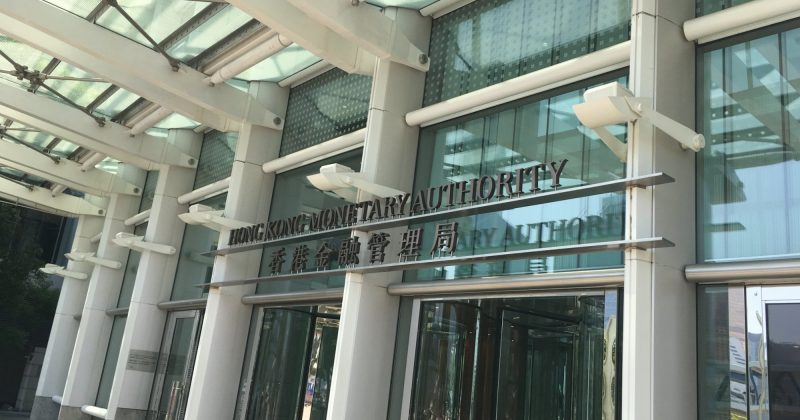
Quantum Countdown: HKMA Prepares Banks for 2030 Security Threats
As the global push for asset tokenization accelerates, this preemptive strike against quantum threats will redefine global banking resilience. The initiative is expected to create significant tailwinds for tech firms and asset managers looking to capitalize on a secure, tokenized financial ecosystem.

Coinbase CEO Brian Armstrong Demands Senate Action: The CLARITY Act is at the One-Yard Line
The push for the CLARITY Act comes as the industry seeks much-needed regulatory certainty to foster innovation. By securing this legislative victory, the United States could solidify its global leadership in crypto, providing a stable framework that balances security with the rapid evolution of blockchain technology.

Crypto Treasury Pivot: Firms Chase AI Boom as Crypto Premiums Vanish
This shift highlights a growing desperation to regain investor confidence in a cooling crypto market. Interestingly, the most successful transition is being seen among former bitcoin miners, who are effectively repurposing their existing infrastructure to meet the massive computational demands of the AI revolution.
Nvidia's Investment Surge Sparks Fears of an Artificial AI Demand Bubble
This trend poses a systemic risk to both the tech and crypto sectors by potentially inflating AI market expectations beyond sustainable levels. As the line between real utility and speculative hype thins, investors must prepare for the possibility of a significant market correction if these inflated demand signals fail to materialize into long-term revenue.
