Zimbabwe Embraces the Future: Seven Fintech and Tokenization Projects Enter Regulatory Sandbox

The Securities and Exchange Commission of Zimbabwe (SECZ) has officially admitted seven fintech projects into its regulatory sandbox, marking a significant step toward blockchain integration. The cohort is heavily weighted toward tokenization, with projects exploring the digital transformation of assets, securities, and critical infrastructure.
While sandbox participation allows for supervised testing of crowdfunding and synthetic trading models, it does not guarantee full commercial registration. This regulatory move provides a controlled environment for blockchain-based capital raising to evolve, potentially reshaping how the nation approaches modern financial markets and digital asset management.
The Securities and Exchange Commission of Zimbabwe (SECZ) has listed seven financial technology projects as approved participants in its regulatory sandbox. The approved entities are Zimbabwe Entrepreneurship Exchange, Ndarama Standard, Questview Brokers, Crowdaxe Capital, Procode Platforms, Financial Securities Exchange (FINSEC), and Colmin Resources Zimbabwe.
This is a summarized and adapted version by Artificial Intelligence. To read the complete original story, visit the official source.
Read Full Article at CoinTelegraphSupport Jornal Bitcoin
Independent journalism, curated by AI, no clickbait. Keep the flame alive with any amount of BTC.
jonata@walletofsatoshi.comDaily Crypto Brief 📬
Subscribe to receive the curation of the most important Bitcoin and crypto news, summarized by AI. No spam.
Join more than 10,000 smart readers.
Related News

Zimbabwe Accelerates Fintech Growth: 7 Projects Enter Regulatory Sandbox
By bridging the gap between cutting-edge technology and compliance, this sandbox aims to significantly boost investor confidence and enhance overall market stability. As the country integrates more advanced financial tools, this regulatory framework provides the necessary guardrails to attract global capital and solidify Zimbabwe's position in the evolving digital economy.
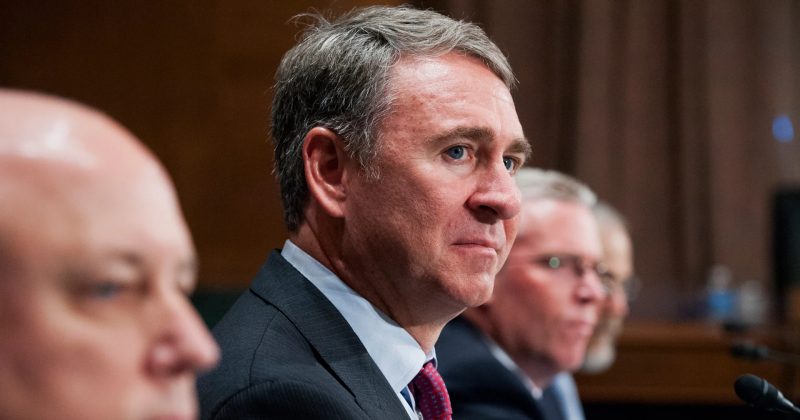
Market Shock Alert: Citadel Securities Predicts Surprise Fed Rate Hike This Week
As the Fed moves to tighten monetary policy, the ripple effects could fundamentally alter future economic forecasts and liquidity in the crypto markets. For traders, this signals a period of heightened uncertainty where sudden shifts in interest rates could dictate the next major trend in global finance.
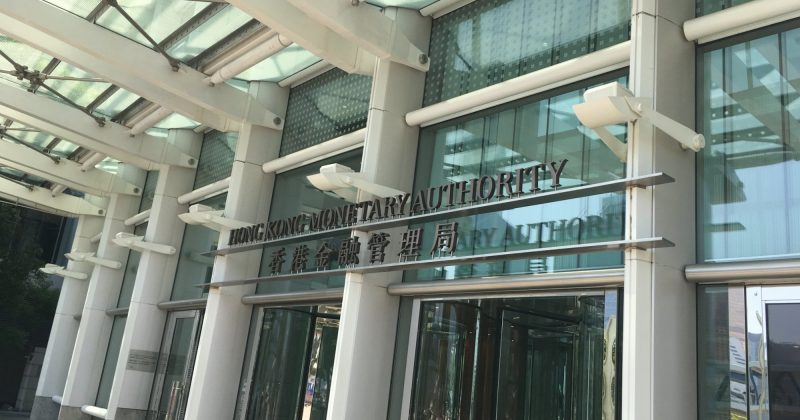
Quantum Countdown: HKMA Prepares Banks for 2030 Security Threats
As the global push for asset tokenization accelerates, this preemptive strike against quantum threats will redefine global banking resilience. The initiative is expected to create significant tailwinds for tech firms and asset managers looking to capitalize on a secure, tokenized financial ecosystem.

Coinbase CEO Brian Armstrong Demands Senate Action: The CLARITY Act is at the One-Yard Line
The push for the CLARITY Act comes as the industry seeks much-needed regulatory certainty to foster innovation. By securing this legislative victory, the United States could solidify its global leadership in crypto, providing a stable framework that balances security with the rapid evolution of blockchain technology.

Quantum Crisis? Hong Kong Banks Score Low on Security Readiness Amid Tokenization Boom
This regulatory push arrives as Hong Kong aggressively scales its tokenized finance ecosystem, including green bonds and digital asset settlement. As the city moves traditional financial activities onto distributed ledgers through initiatives like Project Ensemble, the HKMA has set a definitive deadline to reach full quantum readiness by 2030.

Market Alert: Citadel Predicts Fed Rate Hike, Warning Crypto Investors of Volatility
An unexpected rate hike by the Fed could fundamentally alter liquidity flows by increasing borrowing costs and driving capital toward safer assets. For crypto enthusiasts and institutional investors alike, monitoring these Fed decisions is critical to mitigating risks associated with sudden market shifts and capital flight.
