Governance Exploit: Malicious Vote Drains Estimated $20M from BonkDAO

A massive governance exploit has struck BonkDAO, with an estimated $20 million drained through a single malicious proposal. This security breach highlights a critical flaw in how memecoin treasuries are protected, revealing that thin DAO review controls can turn voting power into a weapon.
The attack underscores the inherent risks of token-weighted voting systems when they lack robust safeguards. As the fallout continues, the incident serves as a stark warning to the broader DeFi community regarding the necessity of strengthening governance protocols to prevent treasury raids.
BonkDAO is reeling from a massive security breach after a malicious proposal successfully drained an estimated $20 million from its treasury. The incident exposes a glaring weakness in the memecoin ecosystem: the ease with which decentralized treasuries can be raided via a simple governance vote.
The exploit demonstrates how token-weighted voting can be weaponized to gain unauthorized access to funds when DAO review controls are insufficient. This event highlights the urgent need for more sophisticated governance frameworks to protect decentralized assets from sophisticated governance attacks.
This is a summarized and adapted version by Artificial Intelligence. To read the complete original story, visit the official source.
Read Full Article at CryptoSlateSupport Jornal Bitcoin
Independent journalism, curated by AI, no clickbait. Keep the flame alive with any amount of BTC.
jonata@walletofsatoshi.comDaily Crypto Brief 📬
Subscribe to receive the curation of the most important Bitcoin and crypto news, summarized by AI. No spam.
Join more than 10,000 smart readers.
Related News
Robinhood Hits $377B in Assets, Unleashing DeFi Lending Power via Morpho Integration
This strategic DeFi expansion is poised to democratize access to high-yield lending, directly challenging the dominance of traditional banks. By bridging the gap between retail users and decentralized protocols, Robinhood is reshaping the very norms of modern investment.

Polymarket Goes Lightning Fast: Instant Bitcoin Deposits Now Live via Spark
By adopting this Lightning-powered infrastructure, Polymarket is bridging the gap between high-frequency prediction markets and the Bitcoin ecosystem. This move is expected to drive increased liquidity and user engagement, setting a new standard for how decentralized betting platforms handle rapid on-chain settlements.

Kraken Pursues Final Judgment Following $22 Million Win Against Former Auditor
This legal battle underscores the critical importance of auditor stability within the crypto industry. As Kraken fights for the final judgment, the case serves as a cautionary tale regarding the ripple effects that sudden service terminations can have on major exchanges and the broader regulatory landscape for digital assets.

$85B Mega-Merger: The Massive Railroad Deal Aiming to Connect U.S. Coasts
As the deal moves forward, it faces intense regulatory scrutiny regarding its long-term consequences. The merger could significantly alter job security, pricing dynamics, and environmental strategies, making it a pivotal moment for U.S. infrastructure and supply chain management.
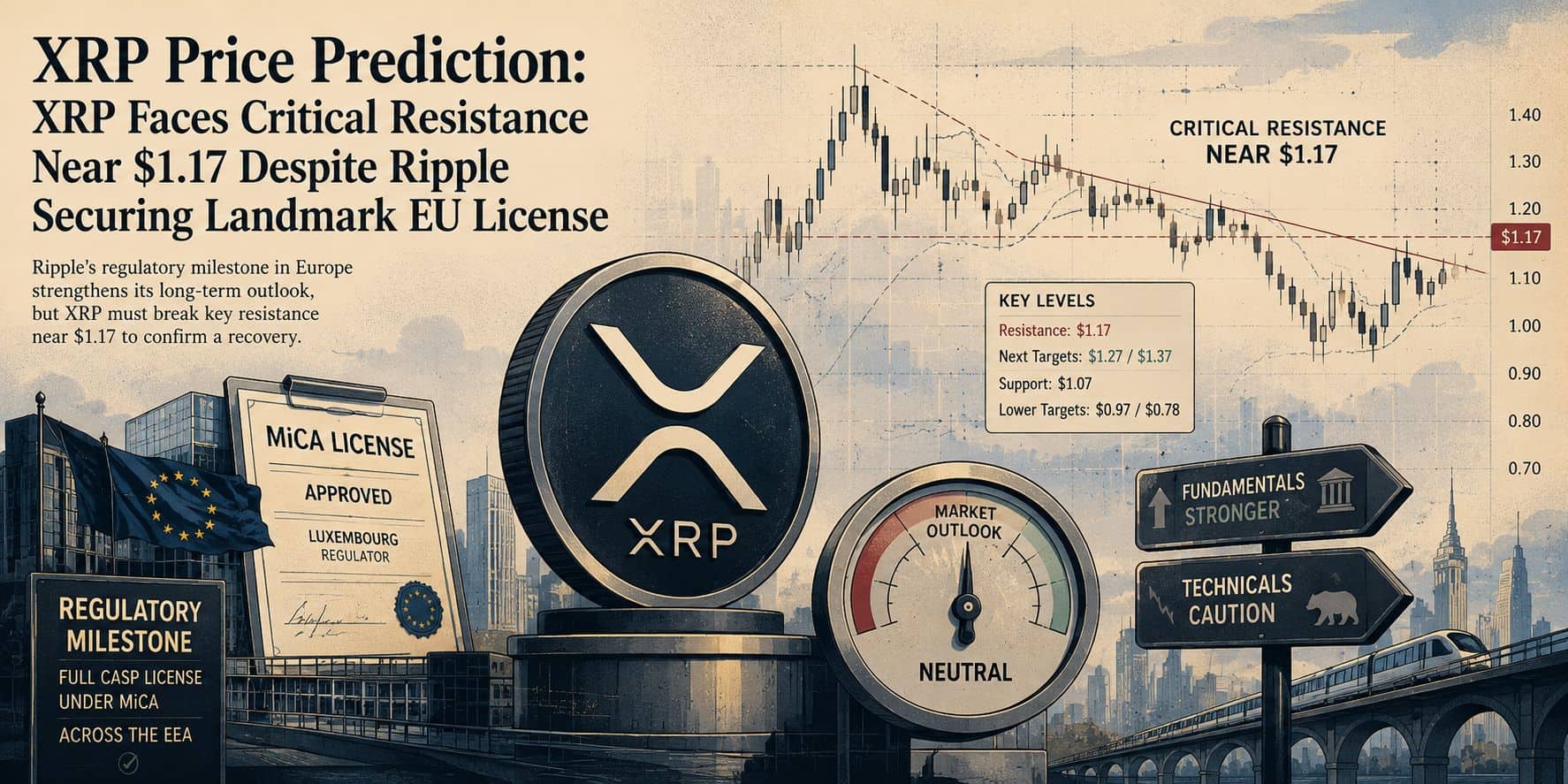
XRP Price Alert: Landmark EU License Secured, But Critical Resistance Looms
Market observers note that XRP is struggling to break through a critical resistance level near $1.17. This technical hurdle could dictate whether the recent regulatory momentum translates into a sustained bullish breakout or if the asset faces a period of consolidation.
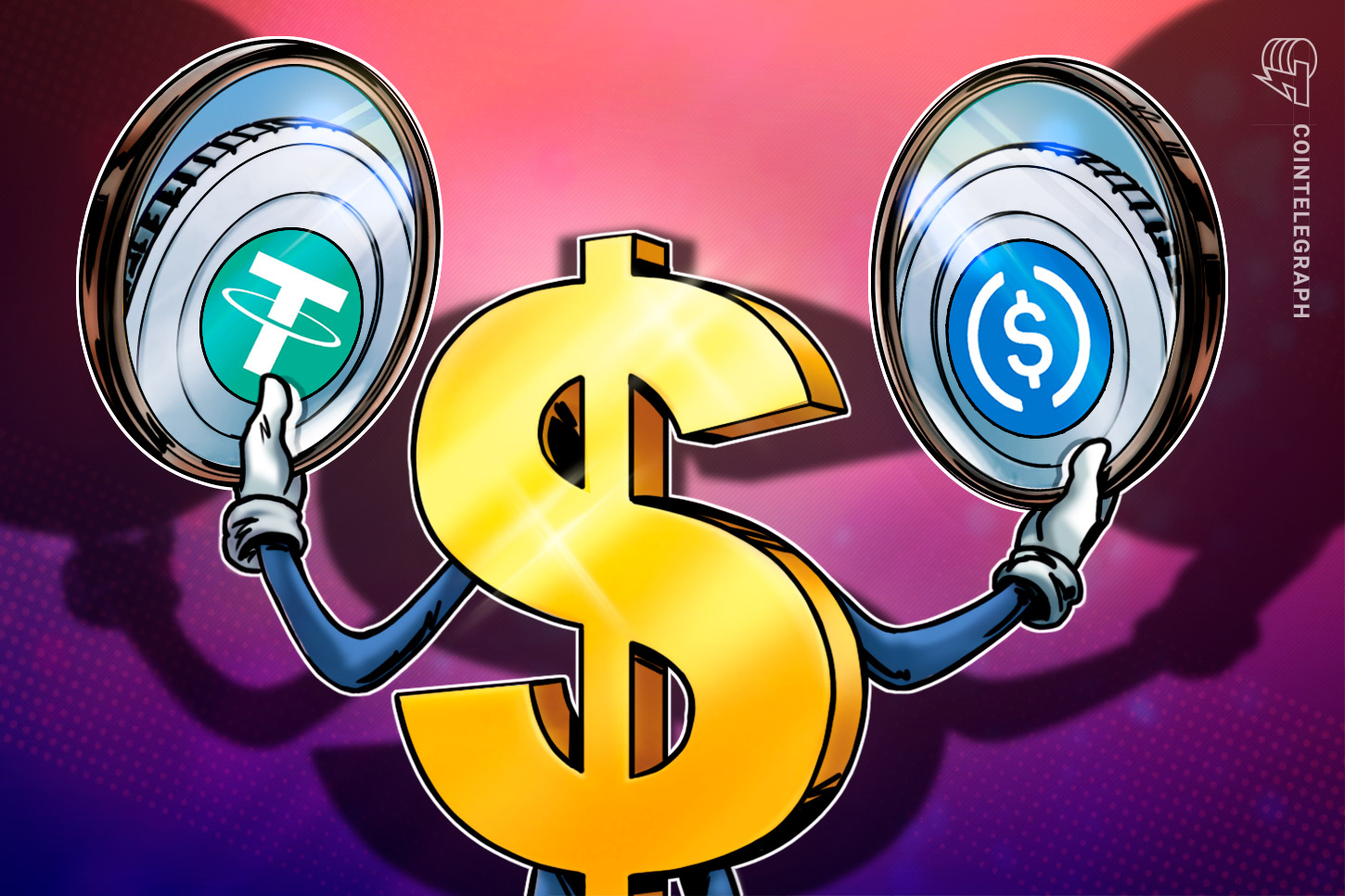
Stablecoin Divergence: USDT Rules Payments While USDC Dominates DeFi, Dune Data Shows
This specialization carries profound implications for liquidity and network utility. With USDT commanding 92% of B2B payment volumes and maintaining a massive presence on the Tron network for remittances, it functions as a global medium of exchange. Conversely, the staggering transfer volumes of USDC on Ethereum and Base highlight its role as the essential liquidity layer for complex DeFi protocols and institutional-grade onchain finance.
