Stablecoin Divergence: USDT Rules Payments While USDC Dominates DeFi, Dune Data Shows
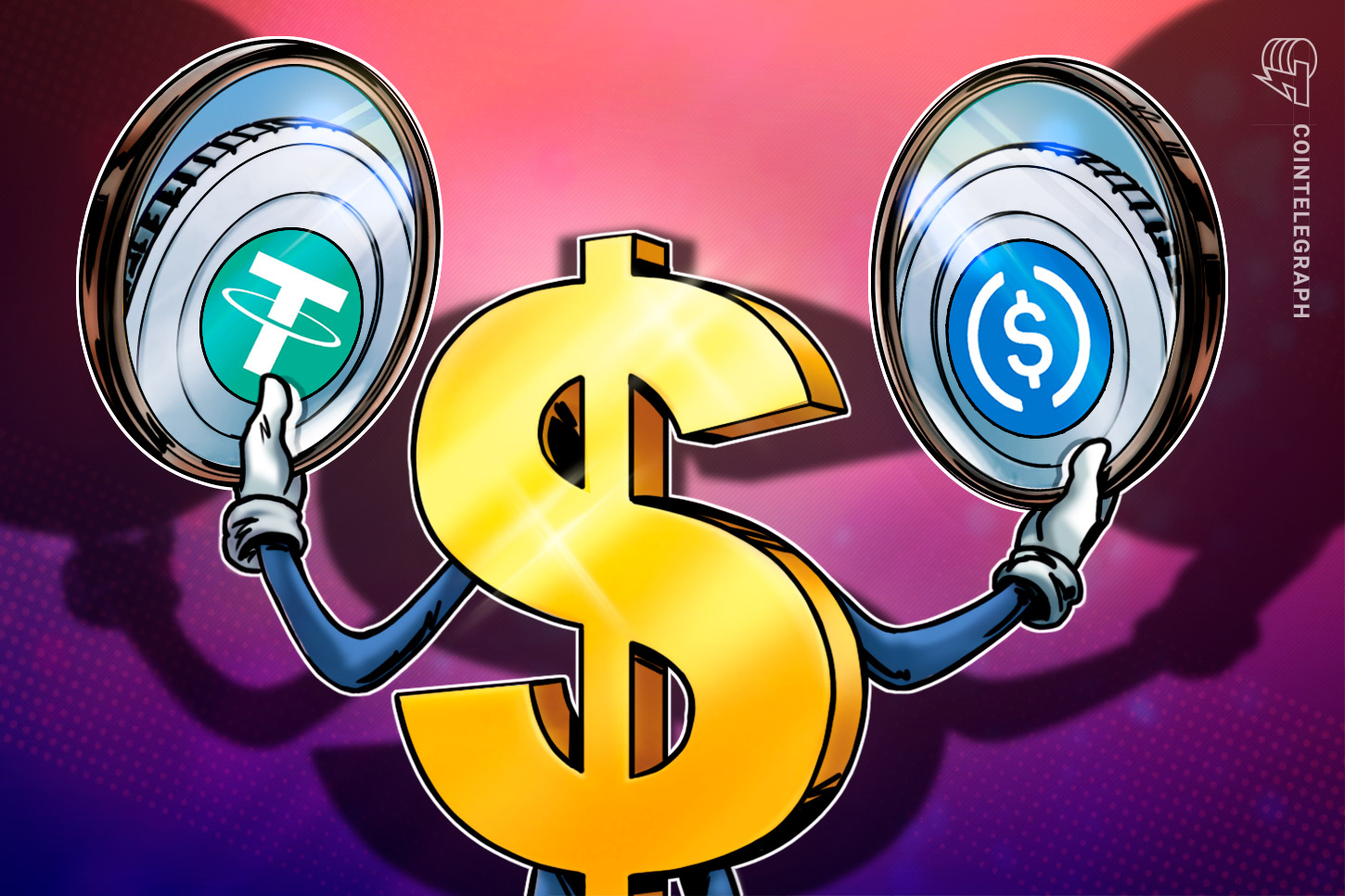
New insights from Dune Analytics reveal a massive divergence in the stablecoin landscape: Tether's USDT has secured an iron grip on the global payments sector, while Circle's USDC has emerged as the undisputed king of Decentralized Finance (DeFi). This shift indicates that the world's largest stablecoins are no longer fighting for the same territory, but are instead evolving into specialized financial products tailored to specific blockchain ecosystems.
This specialization carries profound implications for liquidity and network utility. With USDT commanding 92% of B2B payment volumes and maintaining a massive presence on the Tron network for remittances, it functions as a global medium of exchange. Conversely, the staggering transfer volumes of USDC on Ethereum and Base highlight its role as the essential liquidity layer for complex DeFi protocols and institutional-grade onchain finance.
Dune data shows Tether's USDT has become crypto’s dominant payments stablecoin while Circle's USDC powers DeFi, highlighting how blockchain choice shapes stablecoin use. The world’s biggest stablecoins are increasingly becoming chain-specific financial products, with Tether’s USDT and Circle’s USDC serving distinct roles across the crypto ecosystem rather than competing head-on.
Dune’s Digital Asset Brief found that USDT overwhelmingly dominates onchain payments. During the first half of the year, the largest stablecoin settled about $95 billion in identified commerce payments, compared with $14 billion for the second-biggest, USDC. It also accounted for roughly 92% of the business-to-business (B2B) payment volume. On Tron, USDT’s largest network, around 93% of the token’s supply is held in ordinary wallets rather than on exchanges, underscoring its role as a payment and remittance asset. Meanwhile, USDC has established itself as the dominant stablecoin in decentralized finance. USDC on Base processed roughly $2.6 trillion in transfer volume in June, while on Ethereum, it handled another $1.6 trillion.
This is a summarized and adapted version by Artificial Intelligence. To read the complete original story, visit the official source.
Read Full Article at CoinTelegraphSupport Jornal Bitcoin
Independent journalism, curated by AI, no clickbait. Keep the flame alive with any amount of BTC.
jonata@walletofsatoshi.comDaily Crypto Brief 📬
Subscribe to receive the curation of the most important Bitcoin and crypto news, summarized by AI. No spam.
Join more than 10,000 smart readers.
Related News
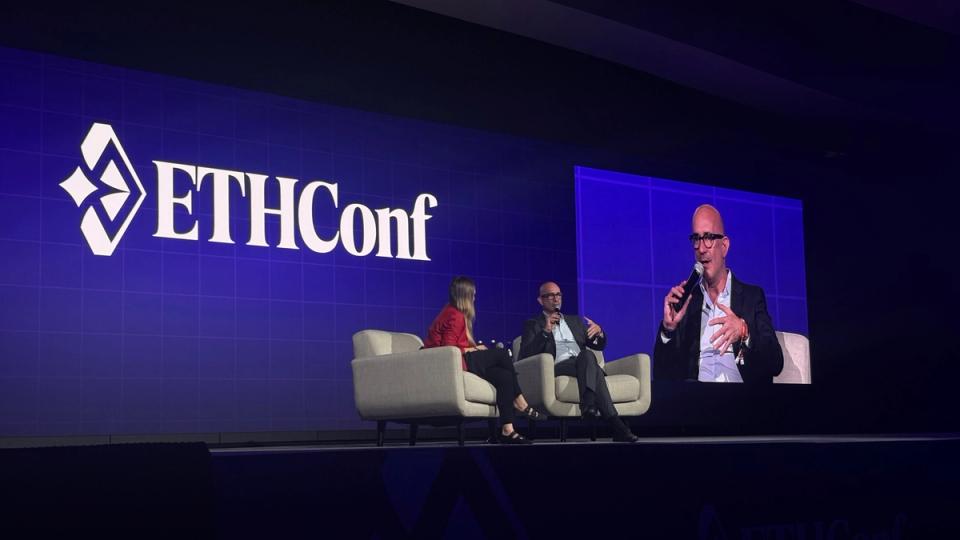
40% Crash: Why BlackRock-Backed Securitize Plunged Post-SPAC Debut
Industry analysts, including Jeff Dorman from Arca, suggest this downturn follows a troubling pattern of digital asset firms struggling post-listing. The fallout underscores the growing tension between institutional blockchain adoption and the harsh realities of public market valuations for crypto-adjacent enterprises.

$85B Mega-Merger: The Massive Railroad Deal Aiming to Connect U.S. Coasts
As the deal moves forward, it faces intense regulatory scrutiny regarding its long-term consequences. The merger could significantly alter job security, pricing dynamics, and environmental strategies, making it a pivotal moment for U.S. infrastructure and supply chain management.
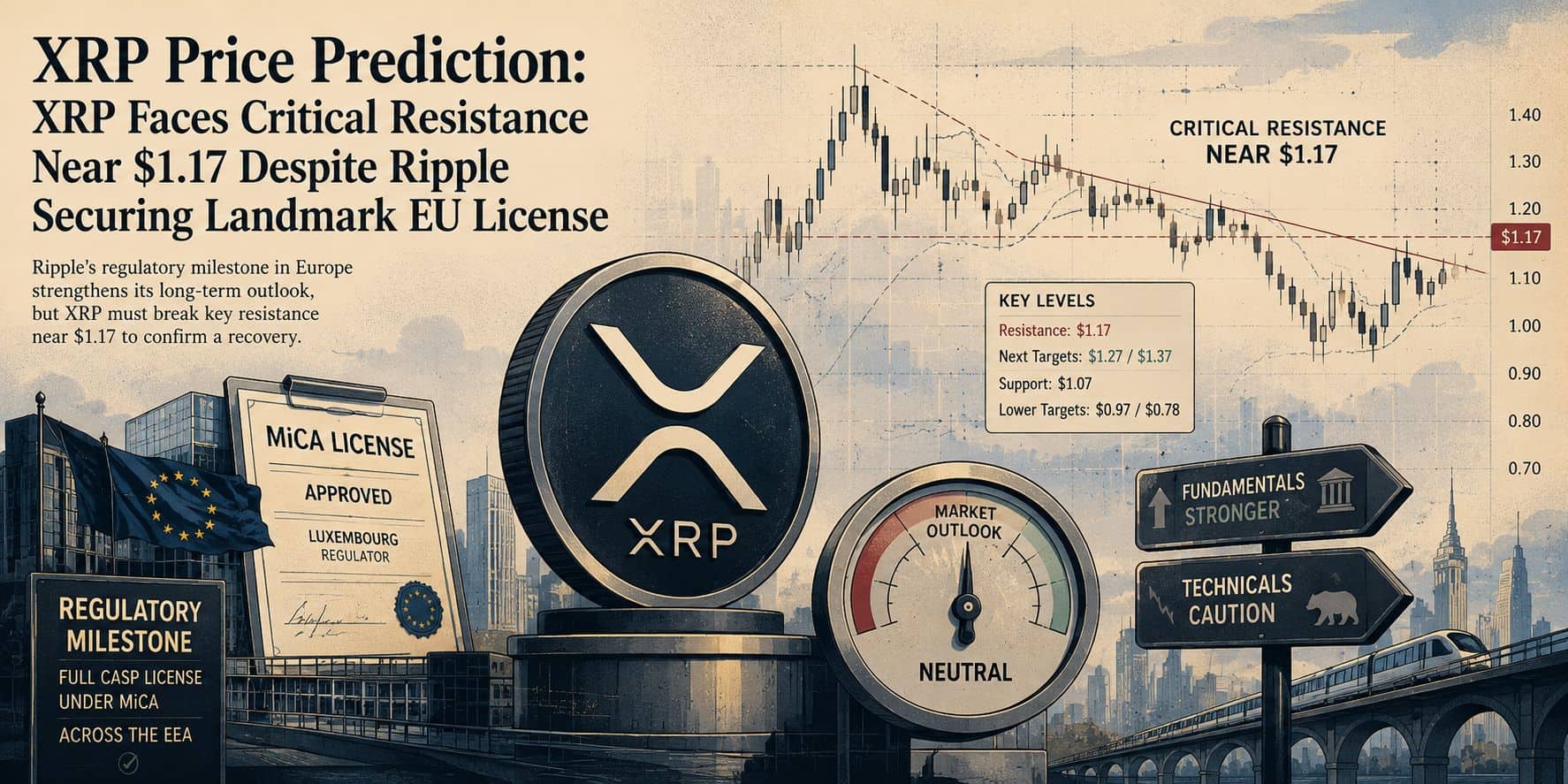
XRP Price Alert: Landmark EU License Secured, But Critical Resistance Looms
Market observers note that XRP is struggling to break through a critical resistance level near $1.17. This technical hurdle could dictate whether the recent regulatory momentum translates into a sustained bullish breakout or if the asset faces a period of consolidation.

Crypto Crackdown: Kenya Seeks Advanced Blockchain Analytics to Track Crime Across 20+ Networks
This strategic blockchain surveillance initiative is poised to reshape the local crypto market by favoring compliant platforms over unregulated actors. As Kenya sets these high standards, its regulatory framework is expected to influence broader regional trends, positioning the country as a leader in digital asset oversight in Africa.

Binance Disrupts Markets: bStocks Tokenized Equities Hit $100M AUM in Record Time
The rapid traction of bStocks highlights a massive shift toward Real World Assets (RWA) integration within the crypto space. This move effectively bridges the gap between traditional stock markets and decentralized liquidity, offering investors unprecedented access to U.S. equities outside of standard market hours.
Vanguard Signals Crypto Pivot by Searching for First Digital Assets Chief
This move represents a potential paradigm shift for one of the world's most conservative financial institutions. By prioritizing the development of a dedicated digital assets framework, Vanguard is positioning itself to capture the growing institutional demand for blockchain-based financial products and decentralized technologies.
