Google Nano Banana 2 Lite vs. Pro: When to Save Your Cash and When to Upgrade

Google's latest lightweight image model, the Nano Banana 2 Lite, is proving to be a high-speed powerhouse, but it comes with a significant caveat. This intel brief highlights that while the Lite version offers unmatched efficiency for rapid prototyping, it hits a performance ceiling that may leave power users wanting more.
Choosing between the cost-effective Nano Banana 2 Lite and the full-scale model is a strategic balancing act of budget versus quality. For high-volume, simple tasks, the Lite model is a massive win, but for those requiring high-fidelity artistic output, the upgrade to the standard Nano Banana 2 remains essential to avoid the limitations of a 'good enough' tool.
Google's cheapest and fastest image model, the Nano Banana 2 Lite, is a genuinely capable tool—until you need it to be great. The Nano Banana 2 lineup presents a classic trade-off for creators and developers: extreme speed versus creative excellence. While the Lite version delivers impressive velocity, the gap between 'functional' and 'exceptional' is exactly where the standard model proves its worth.
This is a summarized and adapted version by Artificial Intelligence. To read the complete original story, visit the official source.
Read Full Article at DecryptSupport Jornal Bitcoin
Independent journalism, curated by AI, no clickbait. Keep the flame alive with any amount of BTC.
jonata@walletofsatoshi.comDaily Crypto Brief 📬
Subscribe to receive the curation of the most important Bitcoin and crypto news, summarized by AI. No spam.
Join more than 10,000 smart readers.
Related News

The AI Paradox: Microsoft, Google, and Amazon Emissions Surge, Threatening Carbon Neutrality Pledges
This emissions spike underscores the urgent need for scalable sustainable energy solutions to support the sector's growth. As the AI boom demands unprecedented data center capacity and computational power, the tech industry must reconcile rapid innovation with environmental responsibility to prevent their climate goals from becoming obsolete.

Wall Street Revolution: JPMorgan Tests AI Agents for Dynamic Investment Strategies
The impact of this shift could be monumental, potentially reshaping the entire landscape of institutional finance. As AI agents begin to challenge traditional investment models, the financial industry faces a critical turning point where technological supremacy will dictate the future of global asset management.
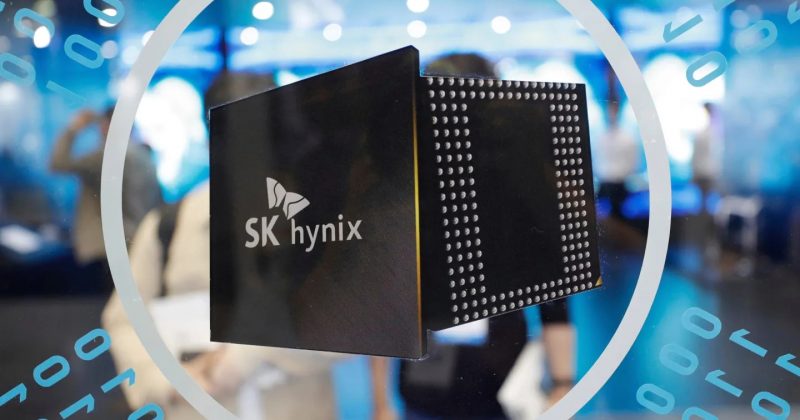
Follow the Money: SK Hynix’s Massive $26.5B US Listing Reveals the Real AI Gold Mine
This landmark move is actively reshaping the memory chip market, as the industry pivots to meet the unprecedented requirements of high-performance computing. As AI integration deepens across all sectors, the success of SK Hynix highlights that the most critical bottleneck—and therefore the most lucrative opportunity—lies in the specialized semiconductor infrastructure driving the AI revolution.

Liquidity War: CoreWeave’s $20 Billion Funding Surge Signals Major Threat to Bitcoin
This shift suggests a significant reallocation of institutional and retail interest. As the demand for AI-driven hardware skyrockots, the Bitcoin network must navigate a landscape where liquidity is being diverted toward the massive infrastructure requirements of the artificial intelligence revolution.

AI Shield: Ethereum Foundation Deploys Intelligent Agents to Hunt Bugs Before Hackers Strike
By integrating these AI agents into the ETH network, the ecosystem aims to significantly reduce the risk of smart contract exploits and large-scale hacks. This evolution in cybersecurity sets a new benchmark for protecting digital assets and ensuring the long-term resilience of the Ethereum blockchain.

Pivot to AI: Bitcoin Treasury Firm Empery Digital Sells Off Half of BTC Holdings
By liquidating its BTC holdings, the company aims to secure the necessary capital to fuel its transition into the artificial intelligence infrastructure space. This pivot highlights the growing tension between pure crypto-treasury models and the massive capital demands of the burgeoning AI revolution.
