Geopolitical Escalation: Iran Claims Destruction of US Military Assets in Kuwait
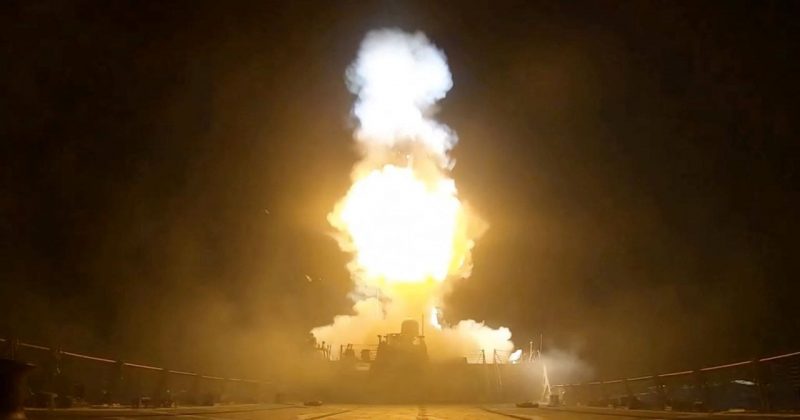
Global tensions have reached a breaking point following claims from Iran regarding the destruction of United States military assets stationed in Kuwait. This sudden surge in geopolitical instability threatens to trigger a wider conflict, sending shockwaves through international security frameworks and financial markets alike.
Beyond the immediate military implications, the fallout poses a massive threat to global shipping routes and long-term economic stability. As market volatility intensifies, the potential for significant disruptions to global trade remains a primary concern for investors navigating high-risk geopolitical environments.
Heightened regional tensions and market volatility persist as reports emerge of Iran claiming the destruction of US military assets in Kuwait amid a 2026 conflict scenario. The situation places global shipping and geopolitical stability at extreme risk. Analysts suggest that such escalations could lead to profound disruptions in international trade corridors, further fueling uncertainty across both traditional and digital asset markets.
This is a summarized and adapted version by Artificial Intelligence. To read the complete original story, visit the official source.
Read Full Article at Crypto BriefingSupport Jornal Bitcoin
Independent journalism, curated by AI, no clickbait. Keep the flame alive with any amount of BTC.
jonata@walletofsatoshi.comDaily Crypto Brief 📬
Subscribe to receive the curation of the most important Bitcoin and crypto news, summarized by AI. No spam.
Join more than 10,000 smart readers.
Related News

Economic Warning: Euro-zone Growth Forecast Slashed for 2026 Amid Iran Conflict and Energy Shock
This downward adjustment is expected to trigger a domino effect, heavily influencing central banks' monetary policies worldwide. As traditional markets brace for impact, the resulting volatility may drive capital toward alternative assets as investors seek refuge from geopolitical and energy-driven uncertainty.
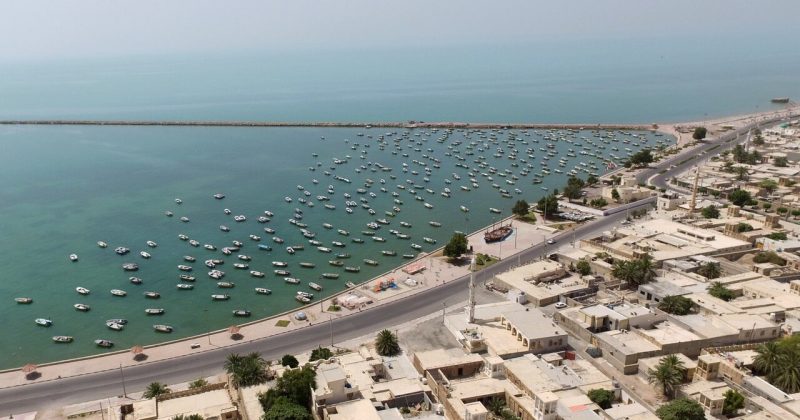
Flashpoint: Iran Shoots Down US-Israeli Drone Over Bandar Abbas, Fueling Regional Chaos
Beyond the immediate tactical engagement, the incident threatens to destabilize global economic dynamics and reshape geopolitical alliances in the Gulf. The potential for retaliatory military actions poses a significant threat to regional stability and international energy security.
Geopolitical Flashpoint: Iran Shoots Down US Drone, Sparking Global Fears
Beyond the immediate military threat, the incident is poised to disrupt global market dynamics and trigger significant volatility. As geopolitical risks surge, investors are bracing for shifts in capital flows and increased uncertainty across traditional and digital asset classes.
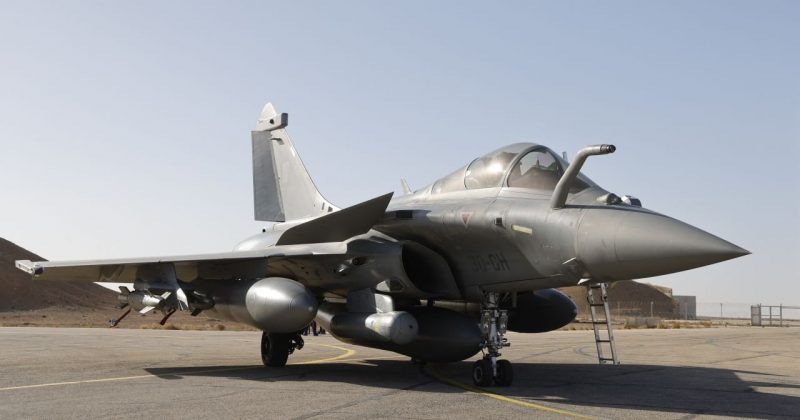
Middle East Crisis: Iran Claims Strike on Jordan Air Base, Fueling Market Fears
Beyond the immediate battlefield, the impact of this strike could trigger a massive shift in market sentiment, particularly if Iranian airspace closures are implemented. Such high-stakes uncertainty often drives volatility across all asset classes, as investors react to the heightened risk of a broader regional conflict.
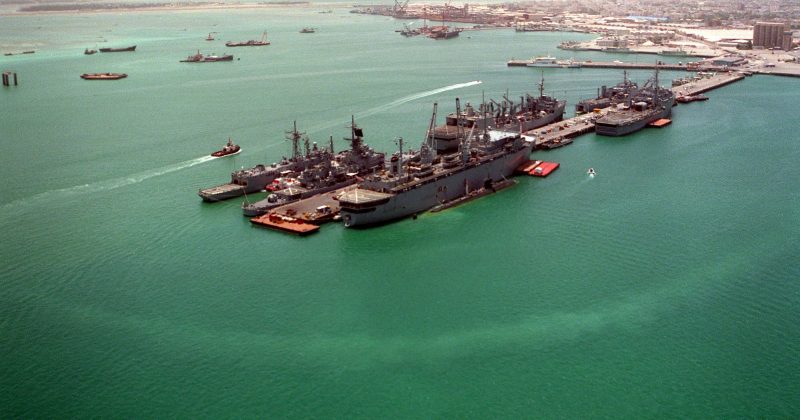
Iranian Strike Hits US 5th Fleet Warehouse in Bahrain: Middle East Conflict Escalates
This attack may prompt a strategic reassessment by the U.S., potentially altering military operations and regional stability in the Middle East. As tensions rise, the global community watches closely to see how this shift in military dynamics will impact broader economic security and market volatility.
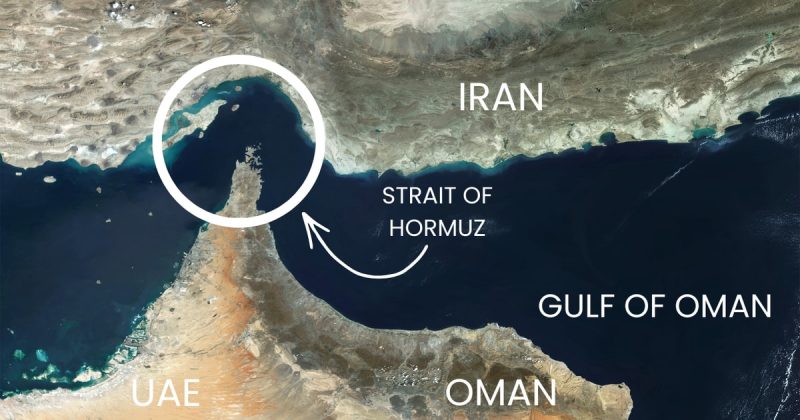
Geopolitical Shock: Hormuz Traffic Plummets Amid Renewed US-Iran Military Strikes
This geopolitical friction is more than a regional dispute; it is a systemic threat to economic stability. The ongoing escalation raises profound concerns regarding regional security and the broader economic impacts, potentially driving volatility across both energy commodities and global financial markets.
