Geopolitical Shockwave: US Accuses China of Aiding Iran and Houthis
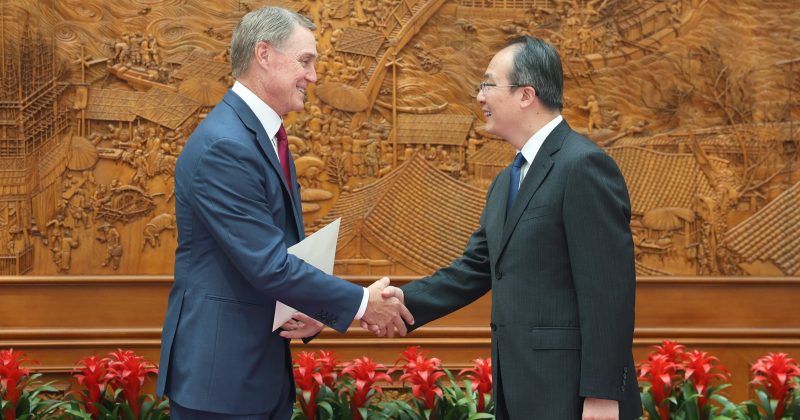
The geopolitical landscape has shifted following serious allegations from the US ambassador, accusing China of supplying dual-use goods to Iran and the Houthi rebels. This direct confrontation highlights a growing friction in international relations, suggesting that Chinese technological exports may be playing a pivotal role in fueling Middle Eastern conflicts.
As these tensions escalate, the ripple effects could severely impact global market stability and investor sentiment. The potential for heightened US-China friction creates a volatile environment for traditional finance and the crypto market, as diplomatic breakdowns often lead to unpredictable economic shifts and increased demand for decentralized assets.
The US ambassador has accused China of aiding Iran and the Houthis by providing dual-use goods, a move that threatens to exacerbate existing US-China tensions. This development could significantly impact ongoing diplomatic efforts and undermine global market stability amidst the current wave of regional conflicts.
This is a summarized and adapted version by Artificial Intelligence. To read the complete original story, visit the official source.
Read Full Article at Crypto BriefingSupport Jornal Bitcoin
Independent journalism, curated by AI, no clickbait. Keep the flame alive with any amount of BTC.
jonata@walletofsatoshi.comDaily Crypto Brief 📬
Subscribe to receive the curation of the most important Bitcoin and crypto news, summarized by AI. No spam.
Join more than 10,000 smart readers.
Related News

Iran Vows Decisive Response to US Strikes: Crypto Markets Brace for Hormuz Crisis
Disruptions to the global oil supply via this strategic chokepoint could trigger massive inflationary spikes, fundamentally shifting the landscape for crypto and currency markets. Investors are currently weighing the risks of a broader conflict and its direct impact on liquidity and risk-on assets like Bitcoin.
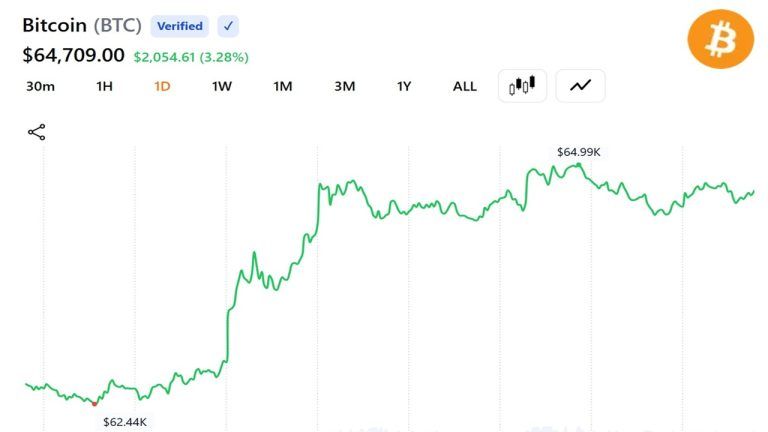
Bitcoin Reclaims $65,000: How the Crypto Giant Defied Geopolitical Selloffs
By reclaiming this psychological resistance, Bitcoin is proving its ability to absorb geopolitical shocks that previously triggered massive selloffs. The shift from panic selling at $62,000 to a successful $65,000 breakout suggests that bullish momentum is regaining control over macro-economic uncertainty.
Geopolitical Alert: Trump Threatens Iran’s Civilian Infrastructure, Sending Shockwaves Through Markets
This escalation poses a direct threat to global markets, potentially triggering massive volatility and shifting investor sentiment. The threat against civilian targets reduces the likelihood of a diplomatic resolution and forces a re-evaluation of risk management strategies across all major asset classes.

South China Sea Escalation: US Coast Guard Boosts Presence Amid Chinese Patrols
Beyond the immediate naval standoff, this escalation poses a direct threat to regional stability and vital global trade routes. As geopolitical risks rise, market participants should prepare for potential shifts in global economic sentiment and increased volatility across interconnected financial sectors.
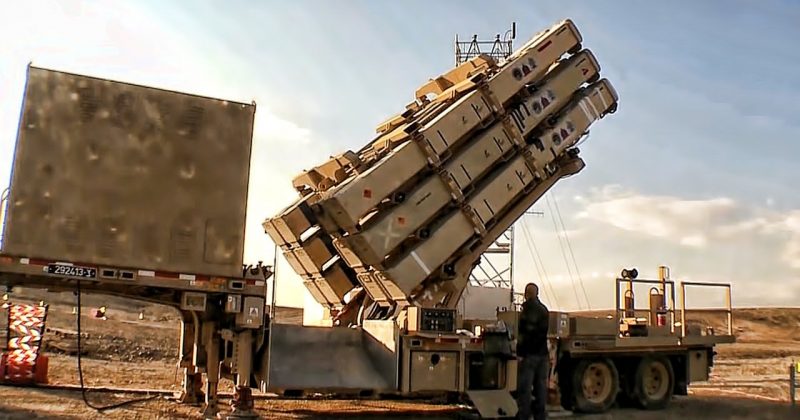
US Strike Hits Iranian Wheat Silo: Why Crypto Markets Are Shrugging It Off
While the escalation of the US-Iran conflict poses a significant threat to global oil routes and international stability, the digital asset sector remains unphased. This decoupling suggests that investors may be viewing crypto as a distinct asset class, less sensitive to immediate commodity-driven geopolitical shocks than previously anticipated.

Global Alert: UN Extends Red Sea Houthi Attack Monitoring, Fueling Market Uncertainty
By prolonging this oversight, the UN acknowledges that the maritime corridor remains a high-risk zone for international logistics. This extended period of instability could trigger volatility in global markets, as investors weigh the consequences of potential supply chain disruptions and heightened geopolitical risks.
