Geopolitical Escalation: US Military Conducts 13th Consecutive Night of Strikes on Iranian Sites
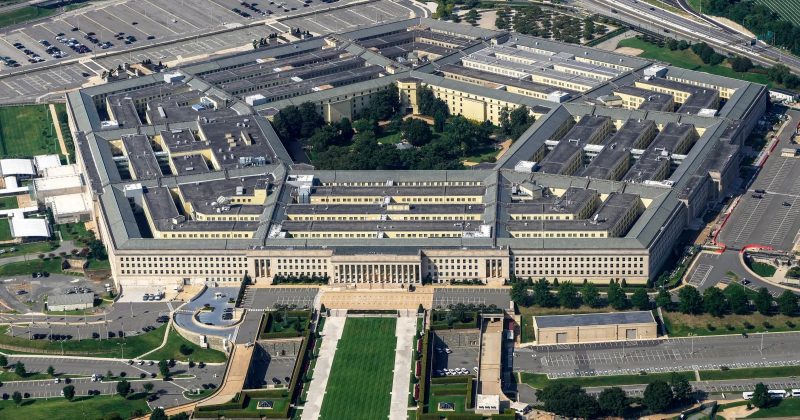
Global tensions have reached a breaking point as the US military carries out its 13th consecutive night of targeted strikes against Iranian military sites. This sustained military action heightens geopolitical instability, creating a high-risk environment for global markets and digital asset investors.
With reports suggesting a 58.5% probability of Iran implementing a full airspace closure by August 31, the world is bracing for significant fallout. The potential for expanded conflict poses a direct threat to energy security and could trigger massive volatility across both traditional and crypto markets.
The US military has conducted its 13th consecutive night of strikes against Iranian military installations. The situation is rapidly evolving, with data suggesting a 58.5% chance that Iran will implement a full airspace closure by August 31. This ongoing military escalation continues to drive uncertainty across global financial landscapes.
This is a summarized and adapted version by Artificial Intelligence. To read the complete original story, visit the official source.
Read Full Article at Crypto BriefingSupport Jornal Bitcoin
Independent journalism, curated by AI, no clickbait. Keep the flame alive with any amount of BTC.
jonata@walletofsatoshi.comDaily Crypto Brief 📬
Subscribe to receive the curation of the most important Bitcoin and crypto news, summarized by AI. No spam.
Join more than 10,000 smart readers.
Related News
Geopolitical Flashpoint: Trump Administration Threatens Major Attack on Iran Amid Nuclear Tensions
As the threat of conflict looms, analysts are also closely watching the long-term economic implications, including potential Iran reconstruction funding tied to US-Iran deals by 2026. The intersection of military aggression and high-stakes diplomatic negotiations creates a high-risk environment for institutional and retail investors alike.
Geopolitical Shockwave: Iran Rejects US Cease-fire Proposal
While the immediate peace prospect has faded, long-term economic modeling suggests a glimmer of hope: there is a 28.5% probability of reconstruction funding being unlocked via a US-Iran deal by 2026. Investors are closely watching this tension to gauge its impact on market stability and the broader macroeconomic landscape.
Geopolitical Alert: UK and Germany Withdraw Embassy Staff from Tehran Amid Iran-Israel Escalation
Beyond the immediate diplomatic fallout, the situation carries heavy implications for international security, with discussions regarding potential European military actions by July. As the threat of escalation grows, investors are closely watching how these Middle East tensions will drive market sentiment and influence the demand for decentralized assets during times of high-stakes uncertainty.

Hormuz Traffic Normalization: Polymarket Odds Plunge to 51.5%
Despite warnings from Donald Trump regarding massive potential strikes on Iran following retaliatory attacks, the market is pricing in a stabilization of shipping routes. The resolution of this tension is critical for global energy markets and the broader economic stability affected by the disruption since late February.
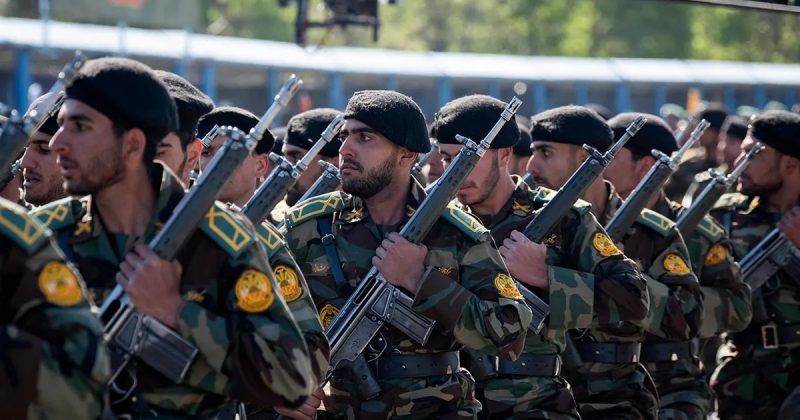
Middle East Crisis Escalates: Iran Launches New Attacks on U.S. Allies
Amidst the rising military friction, intelligence suggests a 29% probability of a U.S.-Iran deal involving reconstruction funding slated for 2026. The interplay between active warfare and these long-term diplomatic prospects remains a critical variable for investors and policymakers alike.
Red Sea Crisis Escalates: IMO Warns of Massive Supply Chain Disruptions
With a high probability of a total shutdown by September 30, the global supply chain faces unprecedented risks of disruption. This geopolitical volatility is expected to impact international trade routes, potentially driving up costs and creating significant economic uncertainty across multiple sectors.
