Geopolitical Deadlock: Polymarket Holds 51.5% Odds for US-Iran Ceasefire

Polymarket traders are holding steady with a 51.5% probability for an August 31 US-Iran ceasefire, even as direct military exchanges persist for a seventh consecutive night. This Intel Brief highlights a critical moment of tension where prediction markets are struggling to price in the volatility of an unresolved geopolitical conflict.
The ongoing cycle of attacks underscores the fragility of current diplomatic efforts and the high stakes involved for global stability. As the ceasefire ladder remains stagnant, the market is bracing for potential escalations that could trigger significant shifts in both traditional finance and the broader crypto ecosystem.
Fresh live updates report that the US and Iran have traded attacks for a seventh straight night, underscoring an unresolved and intensifying conflict. Polymarket traders are closely watching these developments, as the ceasefire ladder continues to place the odds of a resolution by August 31 at 51.5%, reflecting a market caught between military escalation and diplomatic hope.
This is a summarized and adapted version by Artificial Intelligence. To read the complete original story, visit the official source.
Read Full Article at Blockchain.newsSupport Jornal Bitcoin
Independent journalism, curated by AI, no clickbait. Keep the flame alive with any amount of BTC.
jonata@walletofsatoshi.comDaily Crypto Brief 📬
Subscribe to receive the curation of the most important Bitcoin and crypto news, summarized by AI. No spam.
Join more than 10,000 smart readers.
Related News
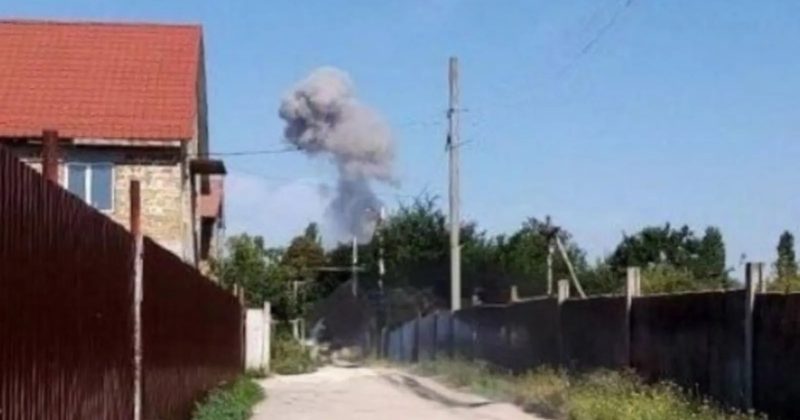
Drone Strikes Hit Russian-Occupied Crimea Near Key Airfield
Beyond the immediate tactical impact, the long-term geopolitical outlook remains volatile. Current projections suggest an 8.5% probability of Ukraine recapturing Crimea by December 31, 2026, a factor that continues to influence global risk assessments and market sentiment regarding regional stability.

Geopolitical Flashpoint: US Forces Strike Site Near Jask, Iran Amid Rising Tensions
The situation is further complicated by intelligence suggesting a 12.5% probability of Houthi military action against Israel by late July 2026. As these threats materialize, the intersection of Middle East conflict and global economic security remains a primary driver for market uncertainty and risk-off sentiment.
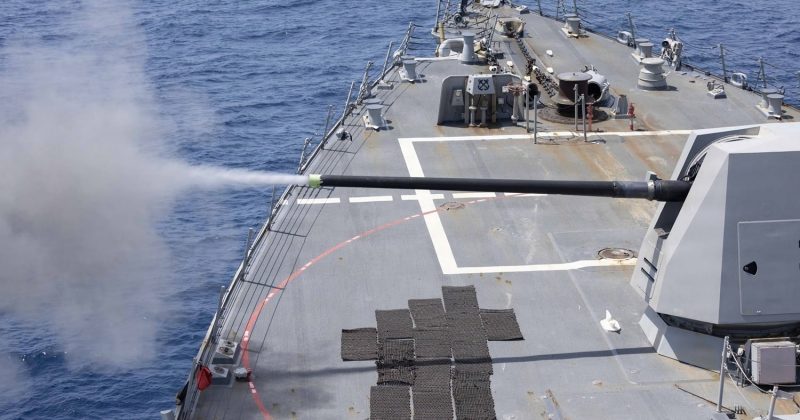
Geopolitical Escalation: China Constructs US Navy Destroyer Replica for Missile Testing
This development comes amid heightened fears of regional warfare. Current projections suggest a 7.5% probability of a military clash with Japan before 2027, and an 11.0% chance of conflict involving the Philippines, highlighting the volatile nature of the Indo-Pacific landscape.
US-Iran Conflict Costs Surpass $100B, Fueling Massive Oil Price Spikes
Market forecasts suggest a bullish surge for crude oil, with potential all-time highs on the horizon. Analysts are eyeing a 6.3% increase by September 30 and a substantial 12.5% rise by December 31, a move that could drastically alter the landscape for global inflation and risk-on assets.
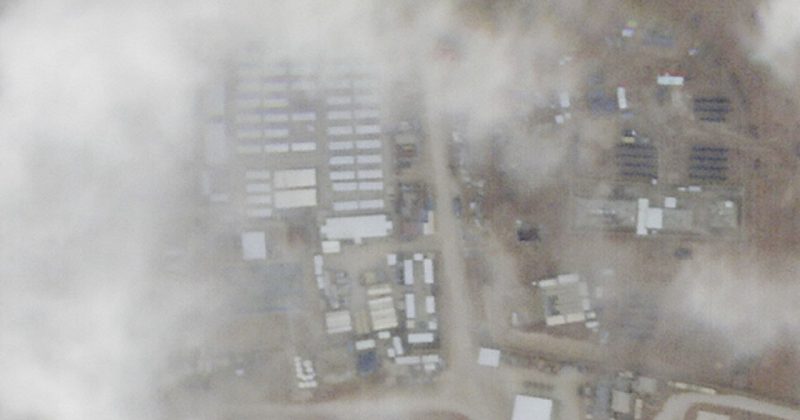
Middle East Escalation: Iranian Missile Strikes Injure US Service Members in Jordan
As the conflict unfolds, the focus shifts to nuclear diplomacy, with the IAEA aiming to conduct visits to Iranian sites by December 31. The ongoing instability in the Middle East is expected to drive volatility across global markets, affecting both traditional assets and the broader crypto landscape.
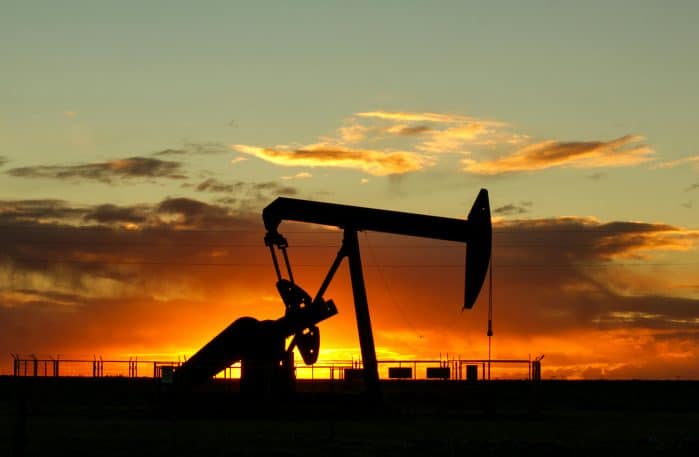
Oil Price Surge: US-Iran Tensions and Strait of Hormuz Disruptions Trigger Market Chaos
Market analysts are closely monitoring the situation, with data suggesting crude oil could hit a new all-time high by December 31, potentially seeing a 13.5% spike. Such a significant move in oil prices could have profound implications for inflation and broader financial markets, marking a critical period for commodity traders and global investors alike.
