Geopolitical Chaos: US-Iran Strikes in Hormuz Strait Send Markets on Edge
Global stability is under direct threat as the US Central Command confirms strikes against Iran following Iranian attacks on three commercial vessels in the Strait of Hormuz. This sudden escalation has triggered massive uncertainty, forcing analysts to re-evaluate the security of one of the world's most critical maritime chokepoints.
Market sentiment is grim, with Polymarket data showing a mere 4.5% chance of maritime traffic returning to normal levels in July. As Iran vows a 'crushing response,' the potential for prolonged disruption threatens global trade routes and intensifies the risk profile for international markets.
As tensions mount, the Polymarket prediction market highlights the severity of the situation, placing the odds of July traffic returning to normal at just 4.5%. The world now watches closely to see if this confrontation will lead to a wider regional conflict or a sustained disruption of global shipping lanes.
This is a summarized and adapted version by Artificial Intelligence. To read the complete original story, visit the official source.
Read Full Article at Blockchain.newsSupport Jornal Bitcoin
Independent journalism, curated by AI, no clickbait. Keep the flame alive with any amount of BTC.
jonata@walletofsatoshi.comDaily Crypto Brief 📬
Subscribe to receive the curation of the most important Bitcoin and crypto news, summarized by AI. No spam.
Join more than 10,000 smart readers.
Related News
Trump's Trade Embargo Threat Forces Spain to Agree to Higher Defense Payments
This shift in defense spending priorities is expected to ripple through European markets, altering fiscal policies across the continent. As Trump's economic pressure reshapes the alliance, investors are closely monitoring how these new market dynamics will influence long-term stability and trade relations between the US and its NATO allies.
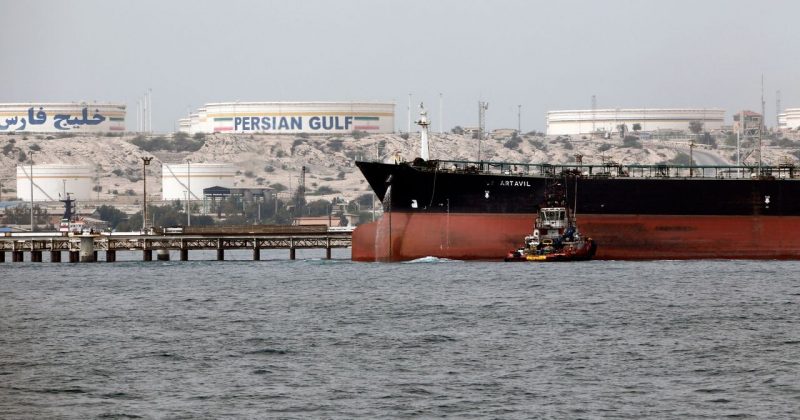
Geopolitical Heat: US Strikes on Iran Spike Energy Prices, Pressuring Crypto Markets
This surge in energy costs poses a significant threat to global inflation levels, potentially forcing central banks into tighter monetary policies. Such shifts typically impact non-yielding assets, placing increased pressure on the crypto market as liquidity and risk appetite fluctuate under geopolitical stress.
Bitcoin Under Siege: Why the $60K Support Level is Now at Risk
Adding to the volatility, traders are bracing for potential selling from MicroStrategy, which could exacerbate the downward trend. As the market monitors these developments, a failure to hold the $60,000 mark could signal a deeper correction for Bitcoin and the broader crypto market.

Kyiv Under Fire: Massive Russian Strike Hits Amid 18% Odds of Putin's Exit by 2027
Amidst the physical destruction, the Polymarket prediction market has introduced a significant political variable, placing the probability of Vladimir Putin exiting power by 2027 at 18%. As NATO leaders prepare for high-level summits, the intersection of military aggression and political speculation creates a volatile global landscape.

Fuel Crisis Escalates: Kazakhstan Limits Russian Drivers' Border Access
Beyond local supply issues, these restrictions are poised to influence global oil markets and could trigger significant shifts in future crude prices. As geopolitical instability rises, the ripple effects of this border policy may reshape energy trading patterns and market expectations.
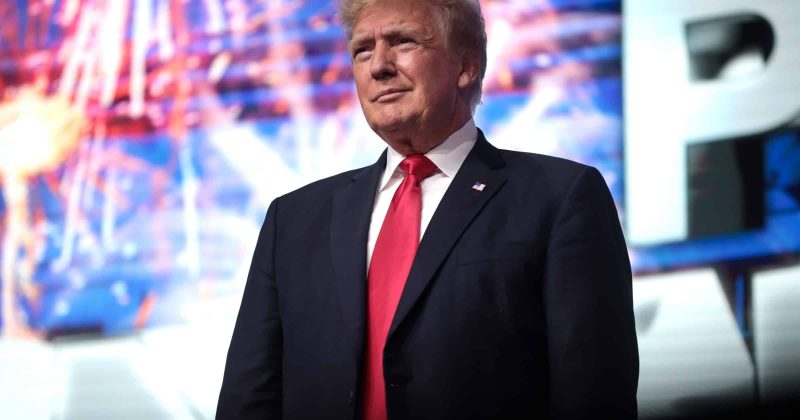
Geopolitical Flashpoint: Trump Threatens Iran Strikes as Tehran Vows Retaliation
As the window for diplomatic solutions narrows, the threat of direct military engagement looms large over international alliances. The potential for a broader conflict could disrupt energy supplies and global trade routes, forcing a rapid reassessment of risk management strategies in both traditional finance and the cryptocurrency sectors.
