Bitcoin Under Siege: Why the $60K Support Level is Now at Risk
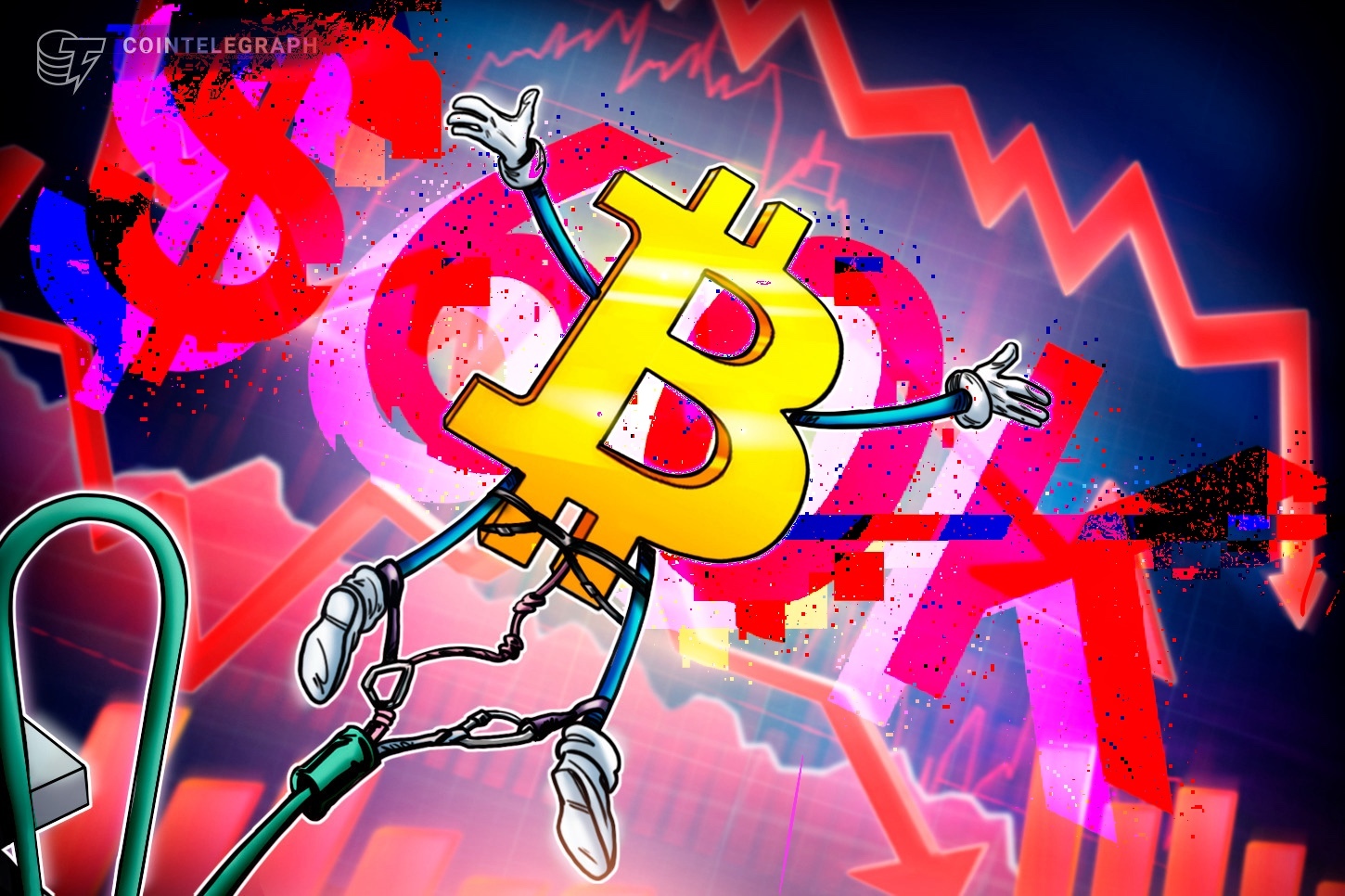
Bitcoin is facing intense sell pressure, tumbling back toward the vital $60,000 support level. This sudden market correction is being driven by a convergence of global macro stressors, specifically the surge in oil prices amid US-Iran tensions and renewed economic contagion risks stemming from Japan's bond markets, triggering widespread de-risking.
Adding to the volatility, traders are bracing for potential selling from MicroStrategy, which could exacerbate the downward trend. As the market monitors these developments, a failure to hold the $60,000 mark could signal a deeper correction for Bitcoin and the broader crypto market.
Bitcoin traded down 3.5% on Wednesday, retreating to the key $60,000 support level as global uncertainty intensifies. The price drop follows a surge in oil prices driven by escalating US-Iran war developments, alongside mounting stress in Japan's bond markets, both of which have forced investors into a broader de-risking posture.
Compounding the bearish sentiment, concerns regarding a fresh round of selling from MicroStrategy have intensified. Market participants are now closely watching the $60,000 threshold, bracing for a potential correction if the current sell pressure continues to overwhelm buyers.
This is a summarized and adapted version by Artificial Intelligence. To read the complete original story, visit the official source.
Read Full Article at CoinTelegraphSupport Jornal Bitcoin
Independent journalism, curated by AI, no clickbait. Keep the flame alive with any amount of BTC.
jonata@walletofsatoshi.comDaily Crypto Brief 📬
Subscribe to receive the curation of the most important Bitcoin and crypto news, summarized by AI. No spam.
Join more than 10,000 smart readers.
Related News

Geopolitical Heat: US Strikes on Iran Spike Energy Prices, Pressuring Crypto Markets
This surge in energy costs poses a significant threat to global inflation levels, potentially forcing central banks into tighter monetary policies. Such shifts typically impact non-yielding assets, placing increased pressure on the crypto market as liquidity and risk appetite fluctuate under geopolitical stress.
Paxos Disrupts Stablecoin Market with Singapore-Regulated, Yield-Bearing USDGL
The strategic importance of this launch lies in its regulatory wrapper, which provides a level of institutional-grade security that is currently missing in many decentralized alternatives. As the demand for yield-bearing stablecoins continues to surge, Paxos is leveraging Singapore's fintech-friendly environment to set a new global standard for compliant crypto assets.

LAB Token Crash: $5B Market Cap Vanishes in 48 Hours Amid Manipulation Allegations
While LAB Trade blames 'large market participants' for the sudden dump, the collapse is shadowed by serious allegations of insider control and market manipulation. This massive crash highlights the ongoing risks of volatility and the urgent need for transparency within multi-chain trading ecosystems.

The Endgame? Germany's Bitcoin Wallet Depletion Signals Relief for Selloff Fears
As this massive supply of Bitcoin exits the sell-side pressure, traders are pivoting toward a potential 'endgame' scenario. The exhaustion of these government-held assets could shift the market narrative from fear of liquidations to a focus on supply scarcity and price recovery.

The Great Divergence: Bitcoin Miner Bets Against AI Data Center Dominance
This shift in Bitcoin mining towards AI infrastructure could redefine industry dynamics, significantly impacting revenue models and investor strategies across the board. By resisting the AI gold rush, the miner is signaling a potential decoupling between the crypto-mining sector and the broader high-performance computing market.

The Race is On: Ethereum ETF Debut Expected as Mid-July Deadline Looms
This imminent window is being closely watched by traders looking for the next major liquidity injection into the crypto market. The successful deployment of these Ethereum ETFs could serve as a massive milestone for institutional adoption, marking a new era for decentralized finance assets.
