Geopolitical Alert: US C-RAM Defense System Activated in Erbil Following Drone Attack

Tensions have spiked following the activation of the C-RAM defense system at the US consulate in Erbil. This defensive maneuver was triggered by a drone attack, marking a critical escalation in regional security protocols and highlighting the immediate threat to diplomatic assets.
As military actions involving Iranian influence in the Gulf region continue to loom, the impact of this drone attack cannot be understated. For the crypto and macro markets, such geopolitical friction often serves as a catalyst for sudden volatility and shifts in global liquidity.
The United States has activated its C-RAM (Counter Rocket, Artillery, and Mortar) defense system at the Erbil consulate in response to a recent drone attack. The activation underscores the heightened security environment in the region. With ongoing military tensions involving Iranian actions against Gulf states, this incident serves as a stark reminder of the volatile geopolitical landscape affecting global stability.
This is a summarized and adapted version by Artificial Intelligence. To read the complete original story, visit the official source.
Read Full Article at Crypto BriefingSupport Jornal Bitcoin
Independent journalism, curated by AI, no clickbait. Keep the flame alive with any amount of BTC.
jonata@walletofsatoshi.comDaily Crypto Brief 📬
Subscribe to receive the curation of the most important Bitcoin and crypto news, summarized by AI. No spam.
Join more than 10,000 smart readers.
Related News

Iran Conflict Sends Diesel Prices Surging to $5.05, Threatening Food and Housing Costs
Market analysts warn that crude oil is on track to hit new highs by December 31, with a projected increase of 15.5%. This surge in energy costs, fueled by geopolitical instability, threatens to destabilize commodity markets and increase the cost of living worldwide.

Oil Surges to $87: Middle East Tensions Fueling Potential All-Time Highs
Market forecasts suggest a significant bullish momentum, with a 15.5% probability of oil hitting a new all-time high by December 31. As the US 10-year yield reacts to these shifts, investors are bracing for a ripple effect that could influence everything from inflation expectations to the broader liquidity in the crypto markets.
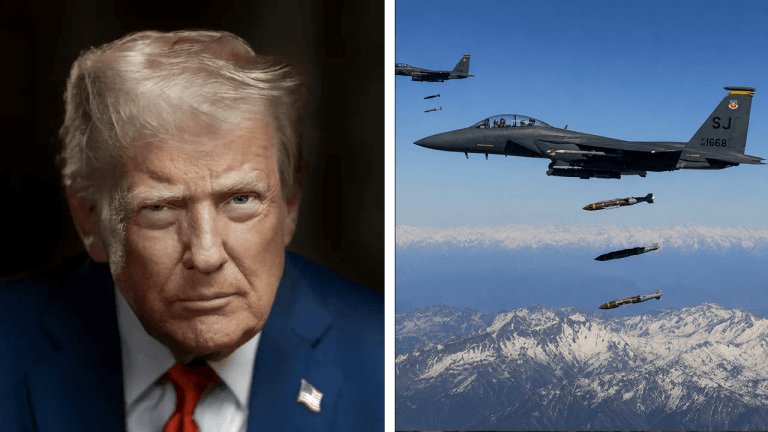
Trump Draws Red Line: US Vows to Destroy Iranian Infrastructure Over Ship Attacks
This development marks a critical turning point in the 2026 Iran war rhetoric, carrying profound implications for global stability and market volatility. As the threat against Iranian infrastructure looms, the international community faces heightened risks of a direct military confrontation that could reshape the global economic landscape.

Bitcoin Defies US-Iran Tensions as S&P 500 Faces Potential Short Squeeze
Market analysts are now looking toward a potential divergence where Bitcoin outperforms the S&P 500. With a possible short squeeze on the horizon for US equities, the crypto market is showing signs of decoupling from traditional stock volatility, positioning BTC as a dominant force in the current macro environment.

Mercedes faces potential US sales ban: Senate China bill targets automakers with Chinese ownership
Context and impact: While this is an auto-industry move, it reverberates across the connected-tech stack where data, connectivity, and cross-border supply chains matter. The Senate’s “China bill” could raise timelines, costs, and regulatory uncertainty for foreign-owned automakers, pressuring ownership reviews, compliance audits, and partner renegotiations.
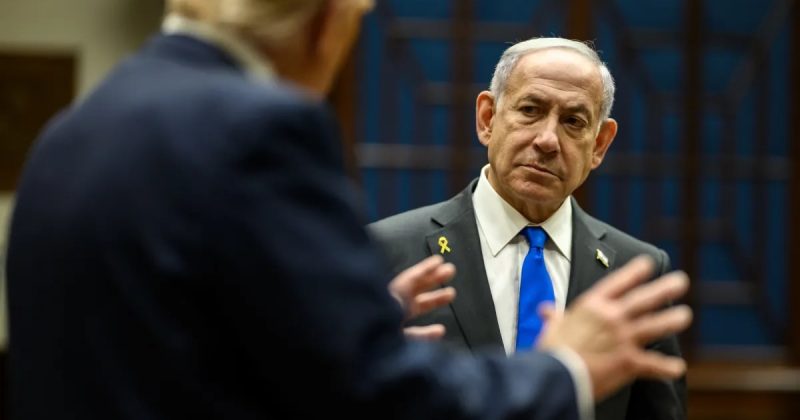
Diplomatic Shield: Why Netanyahu's Arrest in New York is Highly Unlikely
This legal deadlock underscores the friction between international justice and sovereign diplomatic protocols. As the world watches, the outcome of these protections will set a critical precedent for how global institutions navigate the arrest warrants of high-ranking world leaders and the limits of international law.
