Geopolitical Tightrope: Trump’s Iran Strategy and the Threat to Global Markets
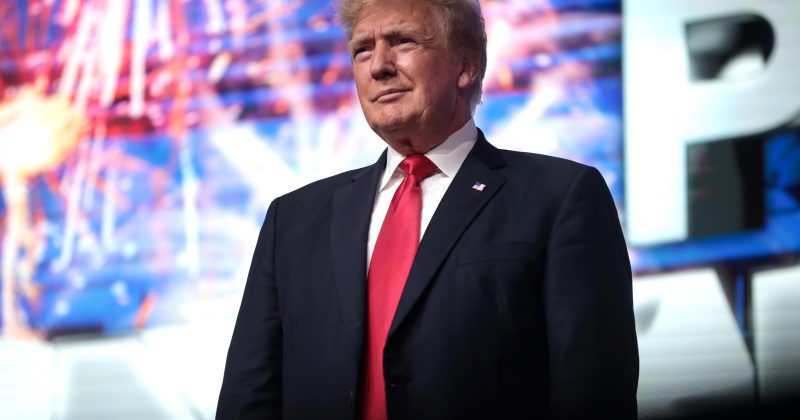
The global geopolitical landscape is approaching a critical tipping point as the Trump administration navigates high-stakes strategic decisions regarding Iran. This intel brief outlines how the pursuit of a defined 'victory' amidst rising tensions threatens to destabilize regional security and disrupt traditional market structures.
Beyond the immediate diplomatic friction, the consequences of these choices could trigger massive volatility across global markets. As tensions escalate, the intersection of Middle Eastern stability and international finance becomes a primary driver of risk, forcing investors to recalibrate their strategies in response to potential geopolitical shocks.
Trump faces tough choices in defining victory over Iran amid rising tensions. Strategic decisions made during this period of heightened friction could destabilize regional security, significantly impacting global markets and diplomatic relations. The margin for error is slim as the administration weighs military posture against economic stability and international cooperation.
This is a summarized and adapted version by Artificial Intelligence. To read the complete original story, visit the official source.
Read Full Article at Crypto BriefingSupport Jornal Bitcoin
Independent journalism, curated by AI, no clickbait. Keep the flame alive with any amount of BTC.
jonata@walletofsatoshi.comDaily Crypto Brief 📬
Subscribe to receive the curation of the most important Bitcoin and crypto news, summarized by AI. No spam.
Join more than 10,000 smart readers.
Related News

Polymarket Odds: 9% Chance of Israel Genocide Guilty Ruling by 2027
As ceasefire negotiations struggle to gain traction, the humanitarian crisis in Gaza intensifies following reported drone attacks and gunfire that killed several civilians, including a nine-year-old girl. These developments underscore the volatile intersection of global politics and prediction markets as the world awaits legal clarity.
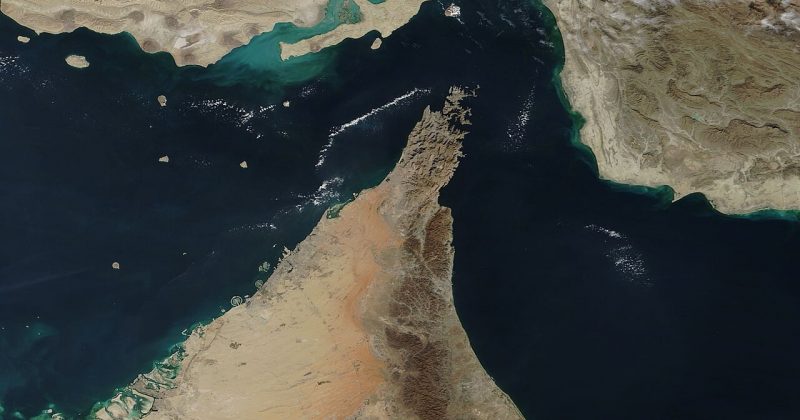
Hormuz Strait Shake-up: Iran Pledges Fair Tolls in Surprising Alignment with Trump
In a surprising diplomatic twist, Iran is aligning its stance on financial compensation with the expectations of the Trump administration. This alignment suggests a potential opening for high-stakes geopolitical negotiations, though the market remains cautious about how these new toll structures will influence global shipping costs and regional stability.
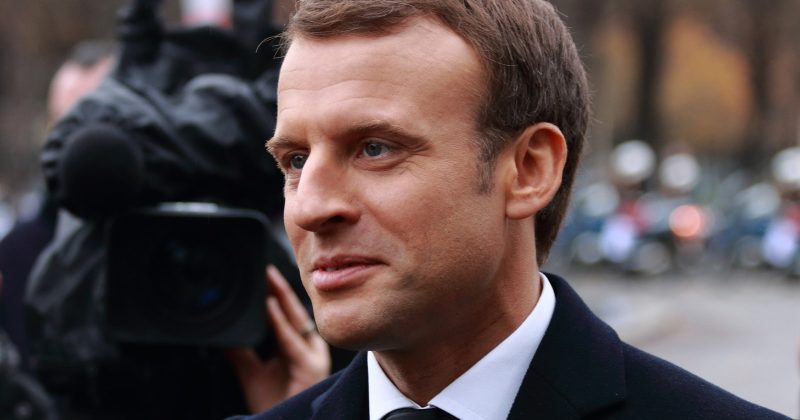
Macron Escalates Tensions: Multinational Military Drills with Ukraine to Counter Russia
Beyond the immediate tactical implications, this escalation is poised to shift market perceptions regarding geopolitical risk. As military cooperation intensifies, investors must prepare for potential volatility driven by the evolving security landscape and the ongoing tensions between Russia and Western-backed forces.
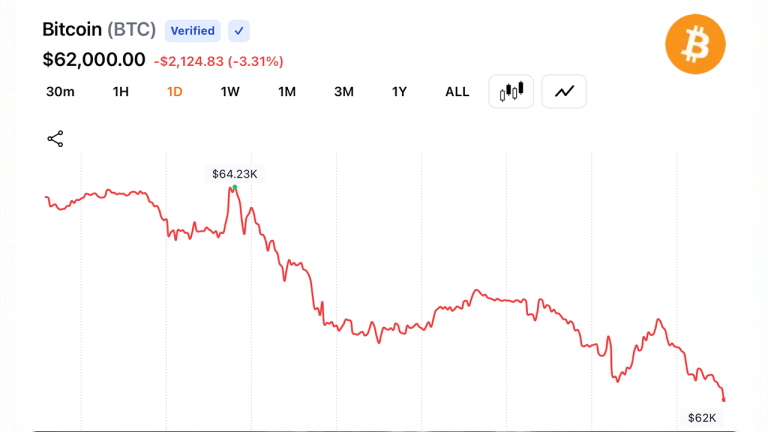
Bitcoin Plummets to $62,000 as U.S.-Iran Conflict Ignites Energy Crisis Fears
Investors are reacting to the growing threat of a fresh energy crisis sparked by the escalating conflict in the Middle East. As the U.S.-Iran tensions intensify, the resulting market uncertainty is driving significant volatility across the entire crypto landscape, forcing traders to navigate a high-risk environment.
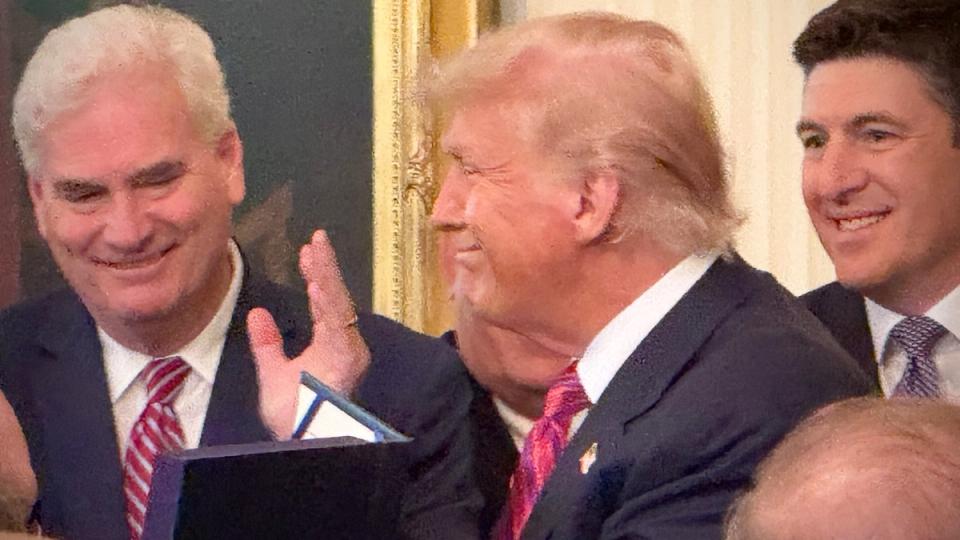
Trump's Crypto Fortune: A Major Obstacle for the U.S. Clarity Act Ethics Provisions
This legislative friction highlights the growing pains of integrating digital assets into the formal legal framework. As the battle over conflict-of-interest rules intensifies, the outcome will determine whether the U.S. crypto market structure can be built on a foundation of impartiality or if personal political fortunes will continue to shadow regulatory progress.
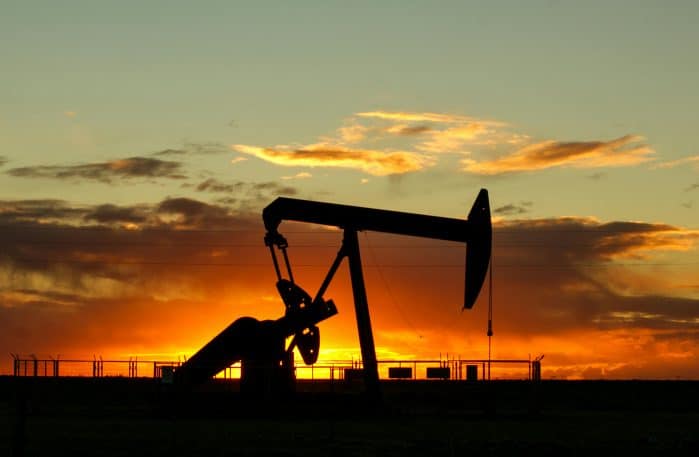
Crimea Fuel Crisis: Gas Prices Skyrocket to $22 a Gallon Amid Drone Strikes
Beyond the immediate regional impact, this fuel crisis threatens to escalate geopolitical tensions and disrupt global oil prices. The ongoing instability poses a significant risk to market stability, as the energy sector reacts to the unpredictable nature of the conflict and potential supply chain disruptions.
