Hormuz Strait Shake-up: Iran Pledges Fair Tolls in Surprising Alignment with Trump
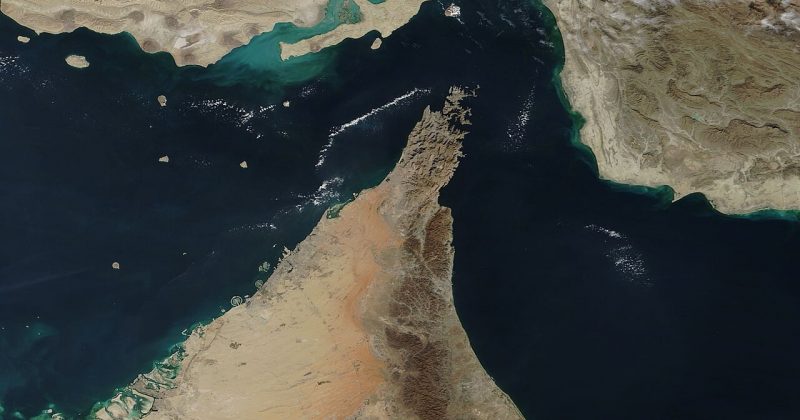
Iran has signaled a major shift in its maritime strategy, pledging to implement 'fair tolls' for passage through the critical Hormuz Strait. This strategic move aims to reshape regional power dynamics and could have profound implications for global trade routes and international energy security.
In a surprising diplomatic twist, Iran is aligning its stance on financial compensation with the expectations of the Trump administration. This alignment suggests a potential opening for high-stakes geopolitical negotiations, though the market remains cautious about how these new toll structures will influence global shipping costs and regional stability.
This is a summarized and adapted version by Artificial Intelligence. To read the complete original story, visit the official source.
Read Full Article at Crypto BriefingSupport Jornal Bitcoin
Independent journalism, curated by AI, no clickbait. Keep the flame alive with any amount of BTC.
jonata@walletofsatoshi.comDaily Crypto Brief 📬
Subscribe to receive the curation of the most important Bitcoin and crypto news, summarized by AI. No spam.
Join more than 10,000 smart readers.
Related News
Geopolitical Alert: Trump Claims Iran Would Deploy Nuclear Weapons Within a Day if Possessed
This escalation in U.S.-Iran tensions threatens to derail potential diplomatic resolutions and long-term negotiations. The aggressive rhetoric surrounding the conflict poses a direct threat to regional stability, creating a volatile environment that could trigger broader economic and security consequences.

Explosions on Iran’s Kish Island: Escalating Conflict Could Trigger Regime Change
The fallout from these explosions may significantly increase the likelihood of a regime change in Iran before 2027. As geopolitical tensions rise, the ripple effects are expected to impact global markets, potentially driving investors toward decentralized assets as a hedge against systemic volatility.
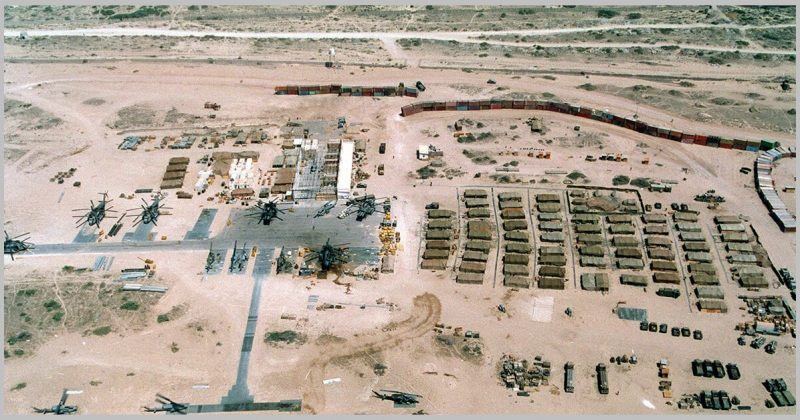
War Escalation: Iran Targets US Military in Kuwait with Drones and Cruise Missiles
Beyond the immediate tactical strikes, this escalation risks destabilizing the entire region and causing massive shocks to global oil markets. As the U.S. and its allies prepare for potential military responses, the ripple effects could trigger unprecedented volatility across international energy sectors and global financial stability.

Middle East Chaos: Polymarket Odds Plunge Following New Iranian Strike Reports
These reported explosions, described as a fifth wave of strikes since the recent ceasefire, underscore a volatile security landscape. For those tracking prediction markets, the shift highlights the growing uncertainty surrounding regional stability and the potential for renewed military escalations in critical maritime corridors.
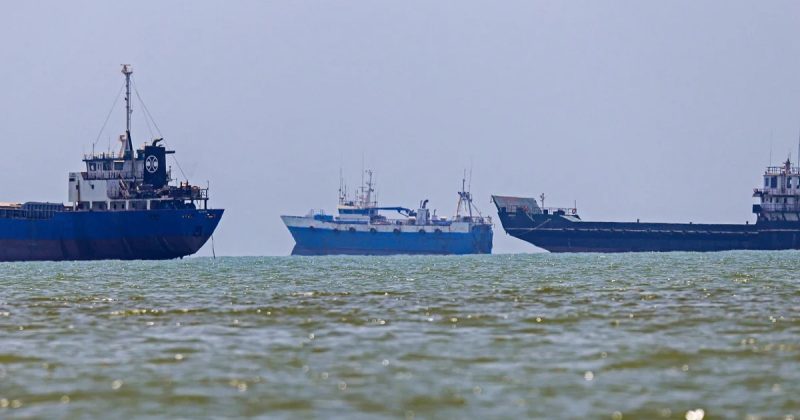
Oil Price Shock: Trump Proposes 20% Levy on Hormuz Shipments, Fueling Market Volatility
The proposed levy is expected to escalate geopolitical tensions in a vital maritime corridor, potentially reshaping global energy security and inflation trends. As supply chain risks mount, investors are closely monitoring the ripple effects that this instability may have on both traditional energy sectors and the broader macroeconomic landscape.
Clarity Act Under Fire: Democrats Launch Final Stand Against Trump-Linked Crypto Bill
As the bill faces a do-or-die moment, this legislative friction threatens to derail the regulatory framework. The focus on potential conflicts of interest highlights the growing tension between political wealth and the future of crypto regulation in the United States.
