Fuel Shift: Russia Retreats as US Dominates Brazil's Diesel Imports
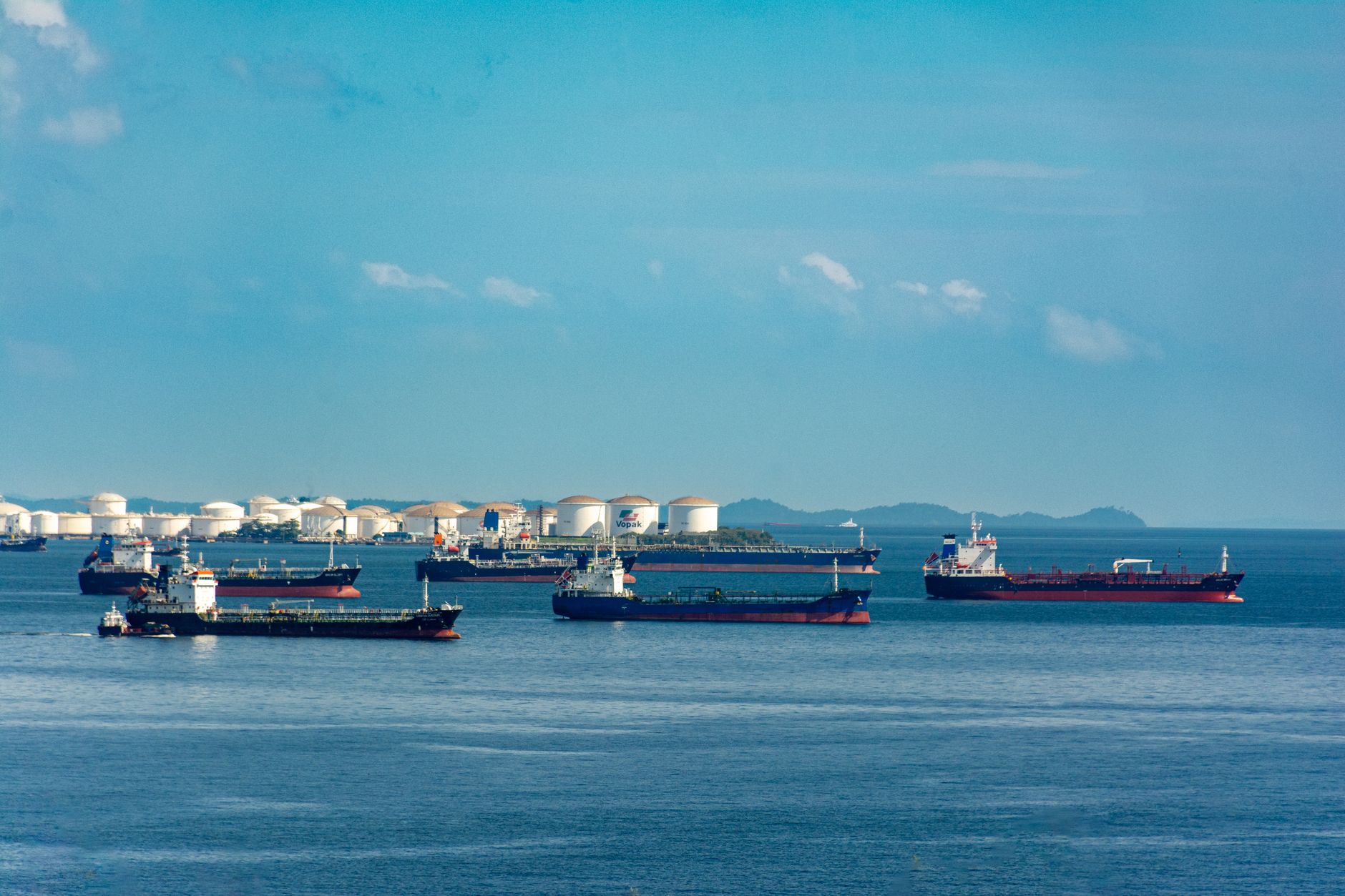
The Brazilian energy landscape has undergone a massive shift following Russia's decision to suspend diesel exports, forcing an immediate restructuring of supply routes. As Russian supply vanished, Brazil aggressively redirected its procurement, solidifying a strategic reliance on new commercial partners.
The United States has now seized control of the domestic market, accounting for a staggering 78% of diesel imports in July. This geopolitical transition does more than just alter commodity flows; it redefines the nation's energy security in the face of extreme global fuel market volatility.
The Brazilian fuel market is undergoing a significant transformation in its supply sources. Following Russia's decision to suspend diesel exports, Brazil was compelled to seek alternatives to ensure domestic supply. The result of this movement is a shift in the commercial axis: the United States has emerged as the primary supplier.
Recent data indicates that in July, the US already held 78% of the share in diesel imports to Brazil. As Russian diesel loses ground, American dominance is consolidating a new pattern of energy trade for the country, highlighting how rapidly the market reacts to global supply restrictions.
This is a summarized and adapted version by Artificial Intelligence. To read the complete original story, visit the official source.
Read Full Article at BlockTrendsSupport Jornal Bitcoin
Independent journalism, curated by AI, no clickbait. Keep the flame alive with any amount of BTC.
jonata@walletofsatoshi.comDaily Crypto Brief 📬
Subscribe to receive the curation of the most important Bitcoin and crypto news, summarized by AI. No spam.
Join more than 10,000 smart readers.
Related News
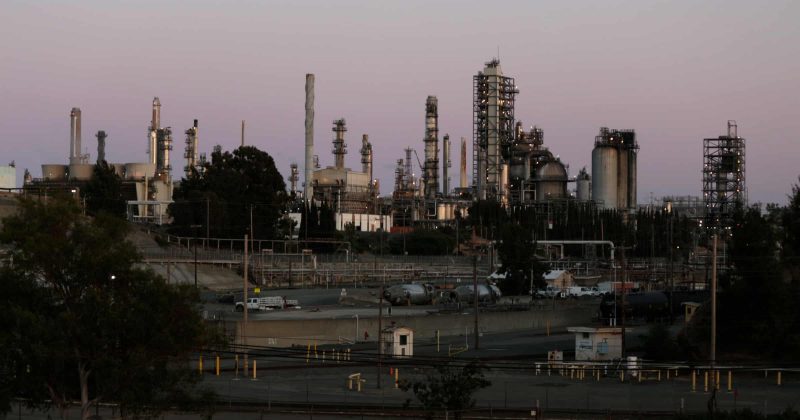
Oil Surge: Brent Nears $80 as US-Iran Tensions Reach Boiling Point
Beyond the immediate price action, the prolonged volatility in the oil market poses a significant threat to global economic stability. As energy security strategies are re-evaluated, the ripple effects of these tensions could reshape international trade dynamics and inflationary pressures for the foreseeable future.
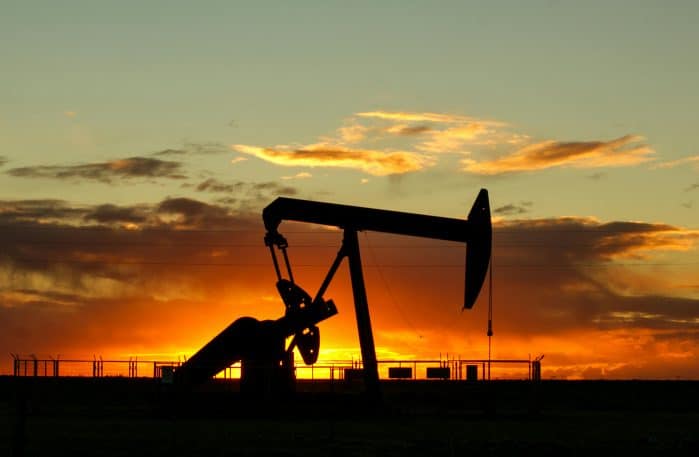
Oil Prices Plummet: China's Weak Demand Overrides Tight Supply Concerns
This downward pressure on oil could potentially ease energy-related inflation, providing a much-needed breather for global economic activity. However, the underlying cause—stagnating demand—raises significant questions regarding market confidence and the overall trajectory of the global economy.

Hormuz Strait Crisis: Iran's Tanker Attacks Shake Energy Markets and Fuel Crypto Payment Interest
As traditional maritime routes face increasing risks, the geopolitical fallout is expected to reshape global commerce. A significant consequence of this instability could be the accelerated integration of crypto payments within maritime trade to bypass traditional financial bottlenecks and maintain liquidity in high-risk zones.
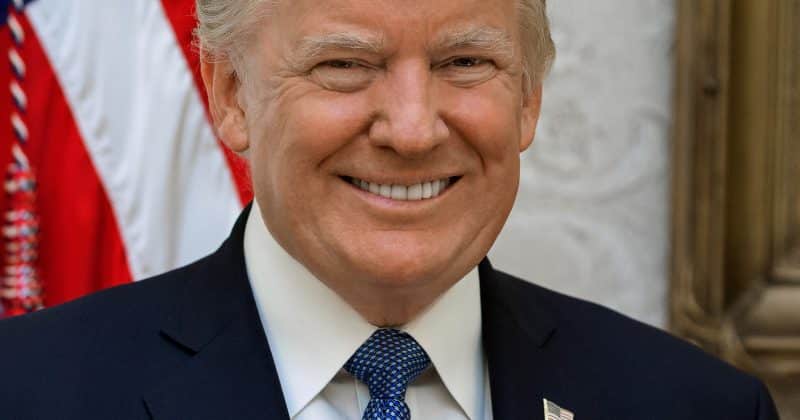
Trump Cracks Down: Demands Immediate Gas Price Cuts and Orders DOJ Investigation
This aggressive stance could fundamentally reshape energy market dynamics and the future of oil industry regulatory scrutiny. By leveraging the DOJ, the administration is signaling a shift toward tighter oversight, which may lead to significant volatility and long-term changes in how energy commodities are regulated.
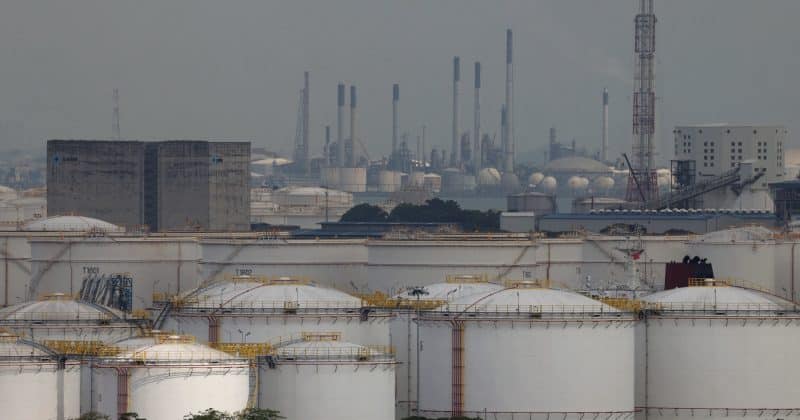
Middlemen push Iranian oil to Indian refiners after US waiver—payment puzzles take center stage
The ripple effect is geopolitical and market-wide: how payments are routed can reshape global oil trade dynamics and strain or recalibrate relations between countries. With uncertainty baked into the waiver’s short lifespan, the odds of disruptions rise—raising the stakes for compliance, transaction structure, and counterparty risk.
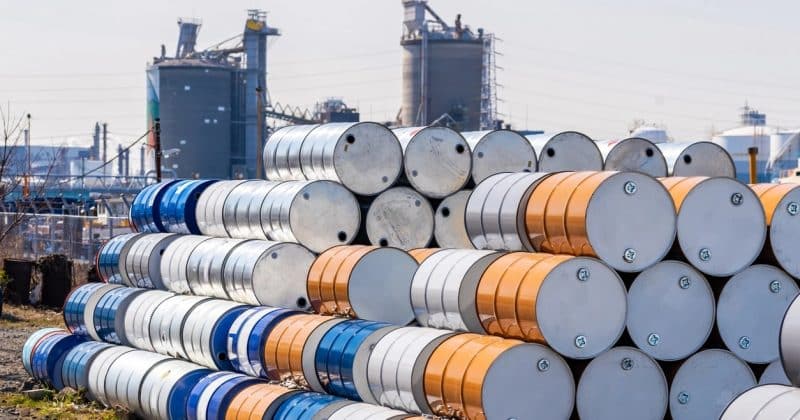
Oil slips back to prewar levels: the US–Iran framework deal could reshape both energy—and crypto—markets
The bigger implication is the knock-on effect. If the US–Iran framework reduces volatility in oil markets, capital allocation may shift and reshape expectations across correlated assets. For crypto, that environment can influence risk appetite, liquidity, and price action in crypto markets—especially when macro conditions change the market’s baseline.
