Crypto Briefing

AI Borrowing Spree Surpasses Wall Street Forecasts: Tech Giants on Borrowing Binge

August 17, 202606:50 AM
AI Borrowing Spree Surpasses Wall Street Forecasts: Tech Giants on Borrowing Binge

Tech giants are accelerating their AI borrowing at an unprecedented pace, with loan volumes surpassing even Wall Street's most optimistic forecasts. This aggressive financing strategy reflects the high-stakes race to dominate the artificial intelligence landscape, as companies pour billions into AI infrastructure and talent acquisition. The growing demand for AI loans is transforming traditional financial markets and creating new opportunities for investors.

The borrowing binge could create significant financial vulnerabilities if the anticipated AI-driven revenue growth fails to materialize. Market analysts warn that this surge in debt could strain corporate balance sheets, potentially impacting broader financial stability as the tech sector continues to navigate the volatile intersection of artificial intelligence and traditional finance. Regulators are beginning to closely monitor this emerging trend.

The rapid increase in AI-related borrowing has reached unprecedented levels, with tech companies securing financing at rates that have surprised even seasoned Wall Street analysts. This surge in debt acquisition comes as major players in the technology sector race to establish dominance in the rapidly evolving artificial intelligence landscape. Industry reports indicate that borrowing specifically earmarked for AI development, infrastructure, and talent acquisition has grown by over 40% in the last quarter alone, far exceeding initial projections.

Financial experts are closely monitoring this trend, noting that while the current borrowing spree is fueling innovation and growth, it also carries significant risks. Should the anticipated AI-driven revenue streams fail to materialize as expected, companies could face substantial financial pressure. This potential scenario has prompted discussions among regulators about the need for enhanced oversight of AI-related financial activities, particularly as these technologies become increasingly integrated into global financial systems.

This is a summarized and adapted version by Artificial Intelligence. To read the complete original story, visit the official source.

Read Full Article at Crypto Briefing
QR Code Lightning

Support Jornal Bitcoin

Independent journalism, curated by AI, no clickbait. Keep the flame alive with any amount of BTC.

Wallet of Satoshi
jonata@walletofsatoshi.com

Daily Crypto Brief 📬

Subscribe to receive the curation of the most important Bitcoin and crypto news, summarized by AI. No spam.

Join more than 10,000 smart readers.

Related News

Iran's control of Strait of Hormuz sparks bond market instability fears

Crypto Briefing

Iran's control of Strait of Hormuz sparks bond market instability fears

Iran's increasing control over the strategically vital Strait of Hormuz poses a significant threat to global financial stability, with potential to disrupt energy markets and trigger sovereign debt crises. The geopolitical flashpoint in this critical shipping lane could spark oil price volatility, directly impacting global economies and increasing credit risks for nations heavily dependent on energy imports, creating a complex scenario for investors and central banks worldwide.
Japan Bond Volatility Sparks Futures Trading Surge in Singapore
Crypto Briefing

Japan Bond Volatility Sparks Futures Trading Surge in Singapore

Unprecedented volatility in Japanese Government Bonds (JGBs) is triggering an exponential surge in futures trading in Singapore, signaling a significant shift in global capital flows. This movement is attracting international investors seeking alternatives to traditional bond markets, potentially reshaping liquidity dynamics and market structures worldwide.

Singapore's rise as a hub for Japanese bond futures reflects a strategic shift in the global financial landscape, as investors seek more stable and favorably regulated venues. This development not only impacts international bond markets but may also lead to a reassessment of capital allocation strategies, with potential long-term consequences for global financial stability and sovereign investment patterns.

Bank of Canada Exposes $500 Billion Private Credit Risk, Mostly Tied to US Markets
Crypto Briefing

Bank of Canada Exposes $500 Billion Private Credit Risk, Mostly Tied to US Markets

The Bank of Canada has uncovered a staggering C$500 billion exposure to private credit markets, with the majority of this value directly tied to US financial markets. This revelation exposes a significant systemic vulnerability in Canada's economy, which relies excessively on financial instruments with limited transparency. This growing dependence on US private credit represents an amplified risk for Canada's financial stability, particularly during periods of economic recession. The lack of transparency in these markets makes it difficult to assess the true level of risk and could exacerbate financial crises, making enhanced regulatory oversight by Canadian authorities essential.
Trump Confirms No Talks with Iran as US Naval Blockade Intensifies
Crypto Briefing

Trump Confirms No Talks with Iran as US Naval Blockade Intensifies

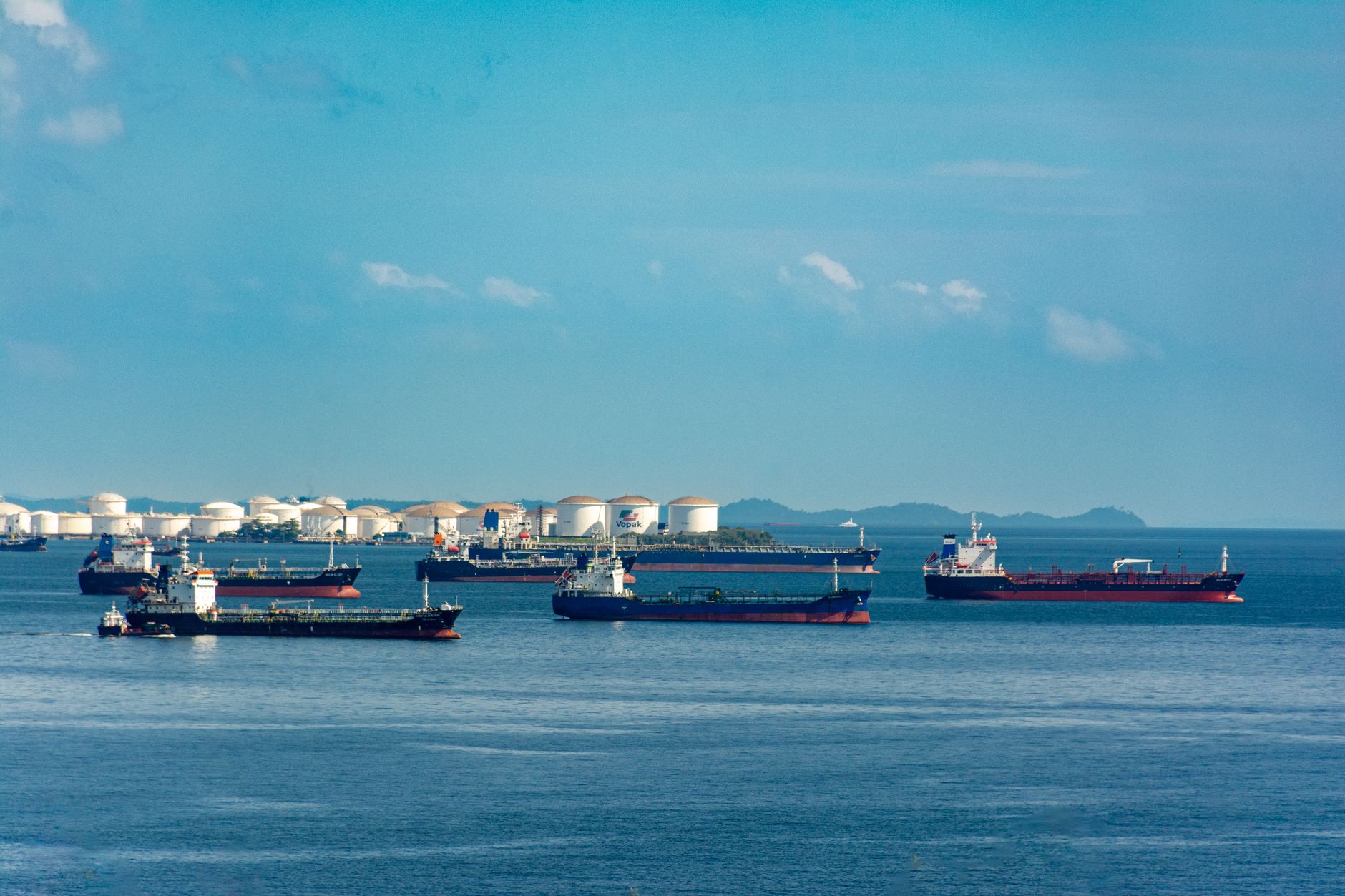
President Donald Trump has officially confirmed the absence of talks with Iran, maintaining the US naval blockade in the region. This aggressive posture prolongs geopolitical tensions in the Middle East, with direct consequences for global markets and international financial stability. Trump's decision to maintain the blockade without diplomatic dialogue could intensify regional instability, affecting oil prices and cryptocurrencies. Analysts warn that the lack of communication channels between powers could lead to a broader conflict, with worldwide economic repercussions and increased volatility in cryptocurrency markets.
US-Iran Ceasefire Collapses: Oil Soars as Global Markets Panic
BlockTrends★ Featured

US-Iran Ceasefire Collapses: Oil Soars as Global Markets Panic

The collapse of the US-Iran ceasefire is sending shockwaves through global financial markets, with oil prices surging and 30-year Treasury yields hitting their highest levels since 2007. Investors are scrambling to reassess risk portfolios as the geopolitical landscape shifts dramatically, forcing a rapid reevaluation of asset valuations and investment strategies worldwide.

The escalating tensions in the Middle East represent a significant geopolitical shock to the global economy, with direct consequences for energy prices and international financial stability. Analysts warn that increased volatility may persist as the political situation evolves, affecting everything from stock markets to cryptocurrencies, with Bitcoin and other digital assets showing mixed responses amid the uncertainty.

WALL STREET DEREGULATION SPARKS GLOBAL RACE TO THE BOTTOM
Crypto Briefing

WALL STREET DEREGULATION SPARKS GLOBAL RACE TO THE BOTTOM

The US government's sweeping deregulation of Wall Street has triggered a chain reaction across the global financial system, with European banks now demanding equal treatment to avoid competitive disadvantage in an increasingly interconnected marketplace. While this regulatory easing may boost international competition, it represents a significant risk to worldwide financial stability. Analysts warn of a potential 'race to the bottom' in regulatory standards, where nations might compete to offer less supervision, potentially creating systemic vulnerabilities and unmitigated risks.
Jornal Bitcoin Logo
