Crypto Briefing

WALL STREET DEREGULATION SPARKS GLOBAL RACE TO THE BOTTOM
August 17, 202612:27 PM
WALL STREET DEREGULATION SPARKS GLOBAL RACE TO THE BOTTOM

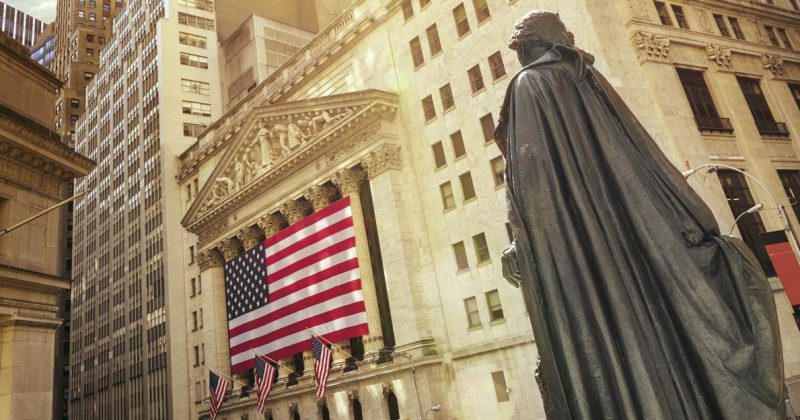
The US government's sweeping deregulation of Wall Street has triggered a chain reaction across the global financial system, with European banks now demanding equal treatment to avoid competitive disadvantage in an increasingly interconnected marketplace. While this regulatory easing may boost international competition, it represents a significant risk to worldwide financial stability. Analysts warn of a potential 'race to the bottom' in regulatory standards, where nations might compete to offer less supervision, potentially creating systemic vulnerabilities and unmitigated risks.

This is a summarized and adapted version by Artificial Intelligence. To read the complete original story, visit the official source.

Read Full Article at Crypto Briefing
QR Code Lightning

Support Jornal Bitcoin

Independent journalism, curated by AI, no clickbait. Keep the flame alive with any amount of BTC.

Wallet of Satoshi
jonata@walletofsatoshi.com

Daily Crypto Brief 📬

Subscribe to receive the curation of the most important Bitcoin and crypto news, summarized by AI. No spam.

Join more than 10,000 smart readers.

Related News

Iran's control of Strait of Hormuz sparks bond market instability fears
Crypto Briefing

Iran's control of Strait of Hormuz sparks bond market instability fears

Iran's increasing control over the strategically vital Strait of Hormuz poses a significant threat to global financial stability, with potential to disrupt energy markets and trigger sovereign debt crises. The geopolitical flashpoint in this critical shipping lane could spark oil price volatility, directly impacting global economies and increasing credit risks for nations heavily dependent on energy imports, creating a complex scenario for investors and central banks worldwide.
Wall Street Poured $1.2 Billion Into MSTR Before Saylor Redirected Bitcoin Flywheel to STRC
CryptoSlate★ Featured

Wall Street Poured $1.2 Billion Into MSTR Before Saylor Redirected Bitcoin Flywheel to STRC

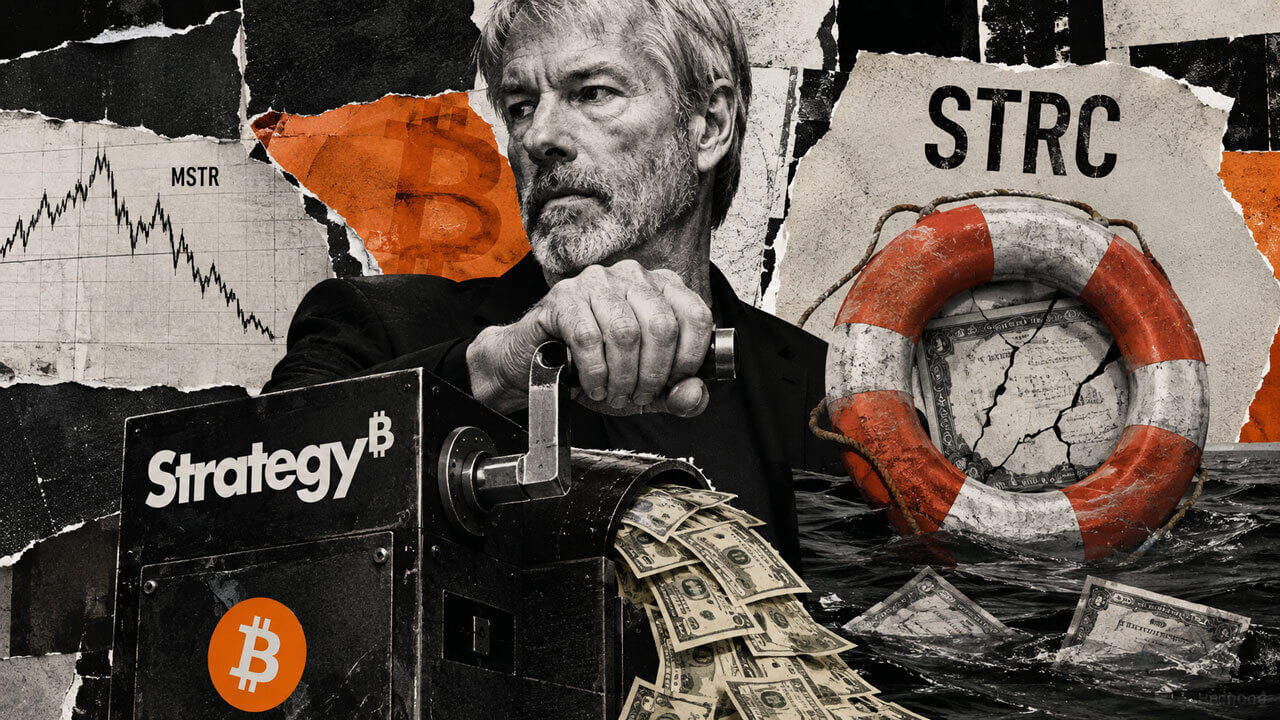
Wall Street institutions increased their exposure to Strategy's MSTR in the second quarter, just before Michael Saylor's Bitcoin accumulation machine began redirecting capital toward STRC. On Aug. 18, Strategy revealed that 12 of its 15 largest institutional shareholders increased their MSTR positions through June 30, boosting combined holdings by $1.2 billion. This strategic move comes at a critical time for the Bitcoin ecosystem as financial institutions continue seeking direct exposure to the digital asset. Saylor's decision to diversify his Bitcoin strategy to include STRC may signal a paradigm shift in how technology companies are positioning themselves in the cryptocurrency market, potentially opening new opportunities for investors and driving institutional adoption.
Citi Makes Historic Move: Banking Giant to Launch Bitcoin Custody for Institutional Clients
Portal do Bitcoin★ Featured

Citi Makes Historic Move: Banking Giant to Launch Bitcoin Custody for Institutional Clients

Citi, one of the world's largest banking giants, is set to revolutionize the cryptocurrency sector by announcing the launch of Bitcoin custody services for institutional clients. This historic initiative will allow major investors to hold their digital and traditional assets under the same security structure, marking a turning point in the institutional adoption of Bitcoin.

This move by Citi represents a clear signal that Wall Street is increasingly committed to the crypto ecosystem, validating the asset class before regulators and traditional investors. The measure is expected to accelerate institutional capital entry into the cryptocurrency market, potentially boosting Bitcoin's liquidity and stability. With financial giants embracing blockchain technology, the future of digital finance appears increasingly closer to mainstream reality, opening new possibilities for global financial innovation.
Bitcoin's Q2 Selloff Split Wall Street: Banks Bought, Hedge Funds Sold, Sovereigns Held

CryptoSlate

Bitcoin's Q2 Selloff Split Wall Street: Banks Bought, Hedge Funds Sold, Sovereigns Held

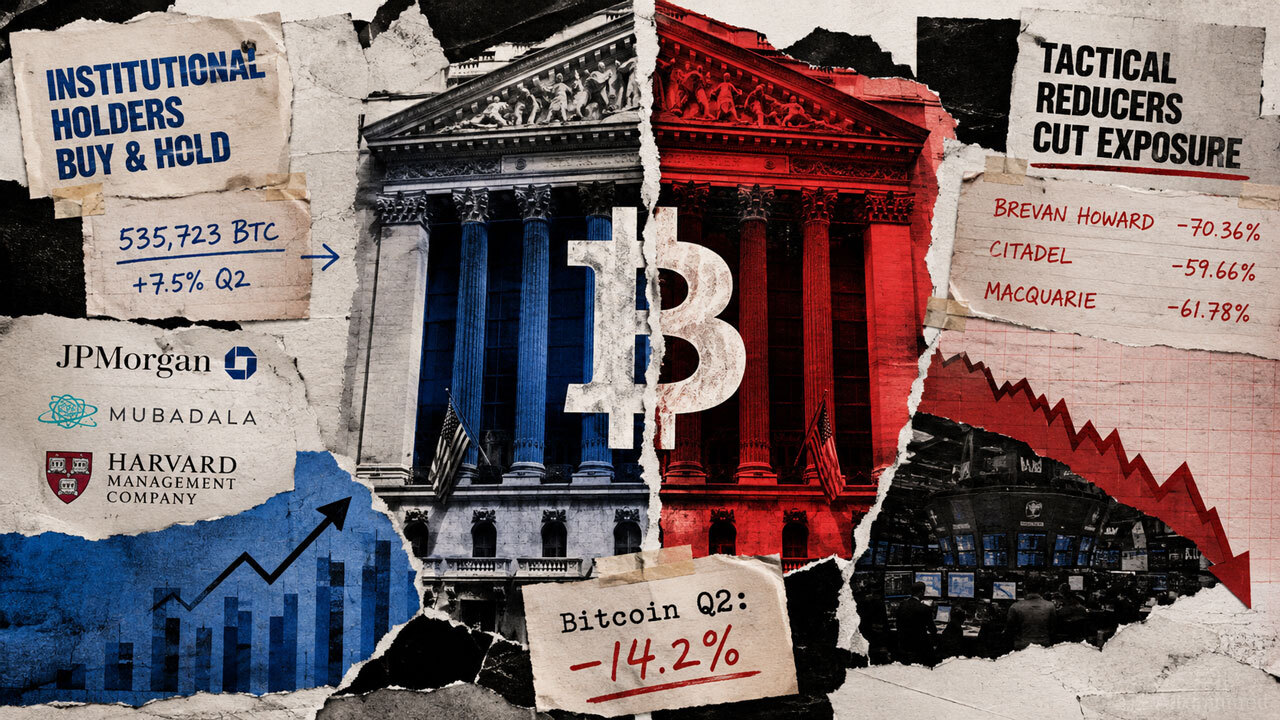
Bitcoin plunged 14.2% in Q2, yet despite the selloff, institutional Bitcoin ETF holdings surged 7.5%, climbing from 498,389 to 535,723 BTC equivalent. This divergent strategic move reveals a clear split on Wall Street, as banks continued accumulating digital assets, hedge funds reduced their positions, and sovereign entities maintained their allocations amid market volatility. Market consolidation is evident, with the number of institutions reporting Bitcoin positions falling 6.8%, from approximately 2,000 to around 1,900. This trend suggests a concentration among more conviction-driven players, indicating that major banks are positioning for long-term recovery while hedge managers adopt a more cautious approach. The divergent behavior among different types of institutions reflects contrasting strategies in the face of crypto market uncertainty.
Japan Bond Volatility Sparks Futures Trading Surge in Singapore
Crypto Briefing

Japan Bond Volatility Sparks Futures Trading Surge in Singapore

Unprecedented volatility in Japanese Government Bonds (JGBs) is triggering an exponential surge in futures trading in Singapore, signaling a significant shift in global capital flows. This movement is attracting international investors seeking alternatives to traditional bond markets, potentially reshaping liquidity dynamics and market structures worldwide.

Singapore's rise as a hub for Japanese bond futures reflects a strategic shift in the global financial landscape, as investors seek more stable and favorably regulated venues. This development not only impacts international bond markets but may also lead to a reassessment of capital allocation strategies, with potential long-term consequences for global financial stability and sovereign investment patterns.

Oil Prices Surge as Middle East Tensions Spark Global Market Fears
Crypto Briefing

Oil Prices Surge as Middle East Tensions Spark Global Market Fears

Oil prices are surging to recent highs as Middle East tensions escalate, sending shockwaves through global markets and threatening worldwide economic stability. Concerns over potential supply disruptions are driving volatility and shifting investor sentiment across the globe.

This oil price surge, closely monitored by the Wall Street Journal, has profound implications for the global economy, affecting everything from inflation to monetary policy decisions. Investors and analysts are closely watching developments in the region, as any escalation of conflicts could trigger an energy crisis with lasting consequences for international financial markets.

Jornal Bitcoin Logo