The Daily Hodl

Sweepstakes Scam Ring Steals $9 Million from Seniors in Decade-Long Fraud

August 8, 202604:04 AM
Sweepstakes Scam Ring Steals $9 Million from Seniors in Decade-Long Fraud

A Jamaican national has pleaded guilty to his role in an international fraud scheme that targeted seniors with fake sweepstakes winnings, extracting over $9 million in a decade-long operation. The criminal network exploited the vulnerability of elderly victims by promising million-dollar prizes that never existed, using psychological manipulation tactics to convince seniors to transfer funds to fraudster-controlled accounts.

This case highlights the growing need for financial protection for the elderly and the importance of awareness about fraud schemes specifically targeting this vulnerable demographic. Authorities warn that criminal operations like this continue to evolve, requiring more effective educational measures and protection systems for seniors in the digital environment.

This is a summarized and adapted version by Artificial Intelligence. To read the complete original story, visit the official source.

Read Full Article at The Daily Hodl
QR Code Lightning

Support Jornal Bitcoin

Independent journalism, curated by AI, no clickbait. Keep the flame alive with any amount of BTC.

Wallet of Satoshi
jonata@walletofsatoshi.com

Daily Crypto Brief 📬

Subscribe to receive the curation of the most important Bitcoin and crypto news, summarized by AI. No spam.

Join more than 10,000 smart readers.

Related News

Galaxy Digital Analyzes Coldcard Hack as Losses Climb Past $111M

Crypto Briefing★ Featured

Galaxy Digital Analyzes Coldcard Hack as Losses Climb Past $111M

Galaxy Digital's analysis of the Coldcard hack reveals critical firmware security vulnerabilities in hardware wallets as losses surpass $111 million. This incident represents a serious challenge to trust in self-custody solutions within the crypto ecosystem. The attack on Coldcard, one of the most respected hardware wallets, exposes concerning vulnerabilities in cryptoasset security and private key protection. The blockchain and digital security industry now faces pressure to implement more robust protocols, with potential regulatory and market consequences for the cryptocurrency sector.
Coldcard exploit pushes July losses to $247M as second-worst month of 2026

CoinTelegraph★ Featured

Coldcard exploit pushes July losses to $247M as second-worst month of 2026

July 2026 has emerged as the second-worst month for cryptocurrency thefts, with total losses reaching $247.4 million, primarily driven by the Coldcard exploit that compromised over 7,300 wallets and resulted in at least $100 million in stolen Bitcoin. The Coldcard exploit, which occurred across multiple confirmed attack waves, has significantly elevated crypto security concerns, with July's losses more than tripling the $75 million stolen in June. This incident, combined with other breaches throughout the month, marks a concerning milestone for digital asset security, trailing only April 2026 when $644 million was stolen.
Criminals Steal Over $30M from Crypto Holders as Wrench Attacks Surge Worldwide
Bitcoin.com★ Featured

Criminals Steal Over $30M from Crypto Holders as Wrench Attacks Surge Worldwide

Chainalysis reports criminals have stolen over $30 million from cryptocurrency holders through violent attacks in the first half of 2026, putting the year on track to surpass 2025's record of $58 million. These crimes, categorized as "wrench attacks" by security researchers, represent a disturbing trend in crypto security, highlighting the physical risks faced by digital asset holders in an increasingly violent threat landscape.

The surge in violent attacks targeting crypto investors reflects a dangerous shift in digital security threats, where criminals are increasingly willing to use physical force to access digital assets. Experts warn that the anonymity of cryptocurrencies, combined with the high value that can be physically transported on storage devices, makes holders vulnerable targets. This phenomenon is driving increased demand for physical security solutions and education on secure storage practices within the crypto ecosystem.
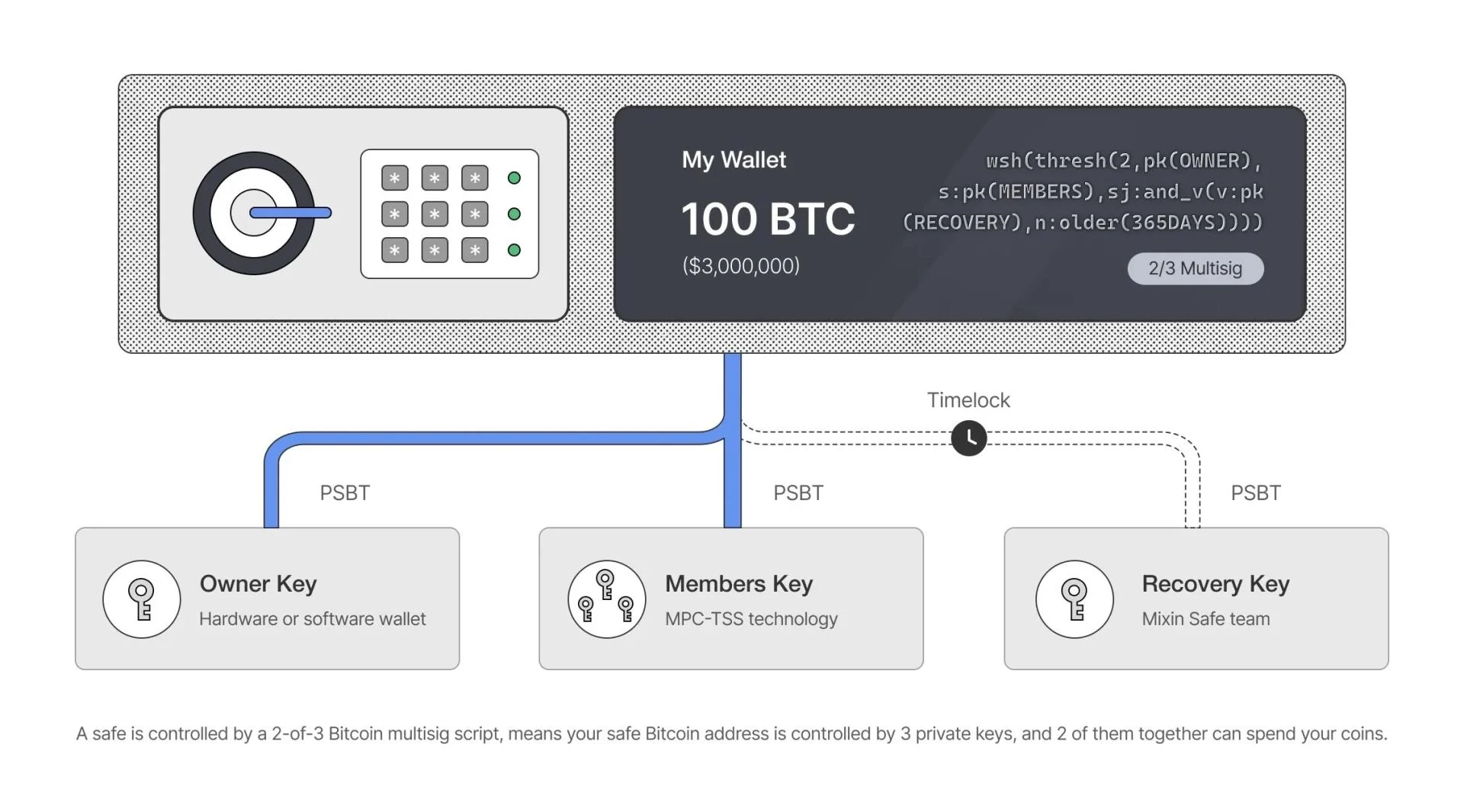
Mixin Highlights Self-Custody Risks After COLDCARD Entropy Incident

Brave New Coin

Mixin Highlights Self-Custody Risks After COLDCARD Entropy Incident

The cryptocurrency platform Mixin has issued a stark warning about the dangers of self-custody of digital assets following an incident involving the COLDCARD hardware wallet and entropy issues. The incident highlighted critical vulnerabilities in secure cryptocurrency storage, particularly for users managing their own private keys. Blockchain and cybersecurity experts are analyzing the long-term implications for the sector, while users of hardware wallets like COLDCARD are advised to review their private key storage and backup procedures.
Apple Removes Telegram After Extortion Attempt with AI-Generated Illegal Material
Bitcoin.com

Apple Removes Telegram After Extortion Attempt with AI-Generated Illegal Material

Apple temporarily removed Telegram from the App Store after prohibited content surfaced in a public group. Telegram CEO Pavel Durov revealed that an attacker inserted AI-altered illegal material into an edited message as part of an extortion attempt. The messaging platform is now back on Apple's App Store following the incident that raised concerns about content moderation challenges and digital security.

This incident highlights the growing challenges faced by social media platforms in content moderation, particularly with advancing AI technology. Telegram's temporary removal from Apple's App Store raises questions about the company's criteria for apps and developers' responsibilities for user-generated content. The case also demonstrates how cybercriminals are exploiting new technologies for illicit activities, demanding more robust security and content moderation solutions in the cryptocurrency and tech ecosystems.
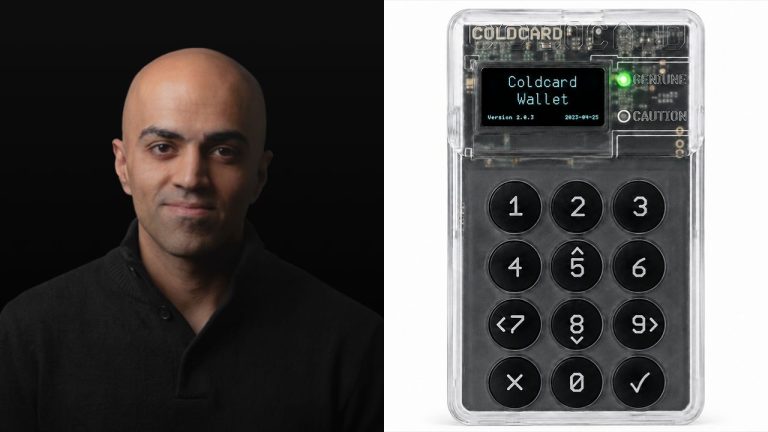
$2 AI Audit Could Have Caught Coldcard Flaw, Says Dragonfly's Haseeb Qureshi
Bitcoin.com

$2 AI Audit Could Have Caught Coldcard Flaw, Says Dragonfly's Haseeb Qureshi

A $2 AI audit could have caught the Coldcard vulnerability, according to Dragonfly's Haseeb Qureshi, highlighting how artificial intelligence is revolutionizing cybersecurity economics. As the cost of discovering flaws plummets, crypto companies face increasing pressure to adopt AI-powered security measures across all software releases. The Coldcard security flaw serves as a pivotal case study demonstrating how frontier AI models can identify risks that traditional security audits might miss. This shift toward AI-powered testing could become the new gold standard for security in the crypto ecosystem, potentially preventing millions in losses and protecting user funds from sophisticated threats.
Jornal Bitcoin Logo
