France Orders ISPs to Block Polymarket Following Massive Traffic Surge

France's national gaming regulator has officially ordered internet service providers to implement a total block on Polymarket access. This aggressive crackdown follows a massive surge in traffic from French IP addresses, which recently hit 578,000 visits, prompting authorities to intervene against the crypto-based prediction platform.
The decision highlights the growing tension between decentralized finance tools and traditional gambling regulations. By targeting Polymarket, French regulators are attempting to curb unregulated betting activities, a move that could set a significant precedent for how crypto-based prediction markets are treated across the European Union.
The crackdown is part of an escalating effort to regulate prediction platforms and prevent what authorities describe as rampant, unregulated gambling. As Polymarket continues to gain traction globally, this regulatory hurdle in France marks a critical moment for the intersection of crypto-assets and online gaming laws.
This is a summarized and adapted version by Artificial Intelligence. To read the complete original story, visit the official source.
Read Full Article at Bitcoin.comSupport Jornal Bitcoin
Independent journalism, curated by AI, no clickbait. Keep the flame alive with any amount of BTC.
jonata@walletofsatoshi.comDaily Crypto Brief 📬
Subscribe to receive the curation of the most important Bitcoin and crypto news, summarized by AI. No spam.
Join more than 10,000 smart readers.
Related News
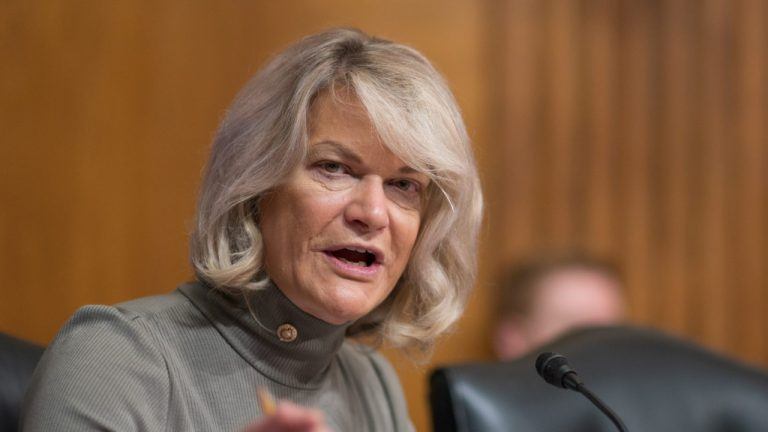
The CLARITY Act: Senator Lummis Unveils 3 Game-Changing Benefits for Crypto
By addressing three core pillars, the act seeks to bolster consumer protections and stabilize the broader crypto markets. As Congress intensifies its efforts to regulate the space, the CLARITY Act stands as a pivotal attempt to integrate digital assets into a structured, institutional-grade financial environment.

US Global Travel Alert: How Iran Tensions Could Shake the Crypto Markets
As risk appetite fluctuates, investors must prepare for potential liquidity shifts and market corrections. The intersection of Middle East tensions and global finance means that crypto markets may face sudden pressure, testing the resilience of decentralized assets against traditional macroeconomic shocks.
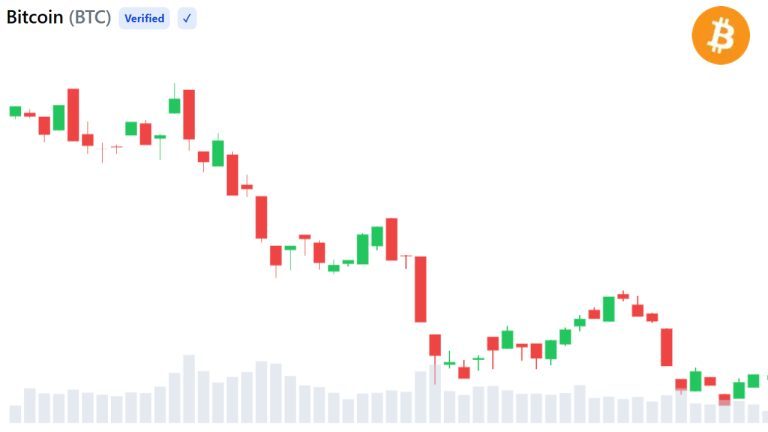
End of Bear? Critical Cost Basis Crossover Signals Bitcoin May Be in Final Bear Market Phase
This specific cost basis crossover mirrors historical Bitcoin cycles, providing a blueprint for potential market reversals. Data from blockchain analytics firm Cryptoquant indicates that this exhaustion of selling pressure could mark the transition from a prolonged bear market to a new bullish phase.

Geopolitical Chaos: Polymarket Odds for US–Iran Ceasefire Plummet Amid Airstrikes
The situation escalated rapidly after the deaths of two US service members in Jordan, triggering a cycle of military retaliation. As strike exchanges continue, the market's reaction highlights the growing uncertainty and the potential for a broader conflict that could disrupt international stability and influence broader asset volatility.

Sanctions Evasion: Iran Uses $7.8B in Crypto to Smuggle Oil to China
The integration of digital assets into large-scale oil smuggling highlights a growing trend in sanctions evasion that challenges global financial stability. As crypto becomes a primary tool for bypassing traditional banking oversight, the geopolitical consequences for US-led economic pressure and the future of commodity trading are profound.

Battle in D.C.: Ripple Deploys CLARITY Act Campaign as Senate Democrats Push Back
This political friction threatens the bipartisan crossover support vital for crypto regulation progress. As the debate intensifies, the focus remains on whether Ripple can successfully navigate demands for stricter safeguards against market manipulation to ensure the CLARITY Act's survival in the Senate.
