Kongsberg Orders Set to Surge in Q2 2026 as Canada Adopts Joint Strike Missile
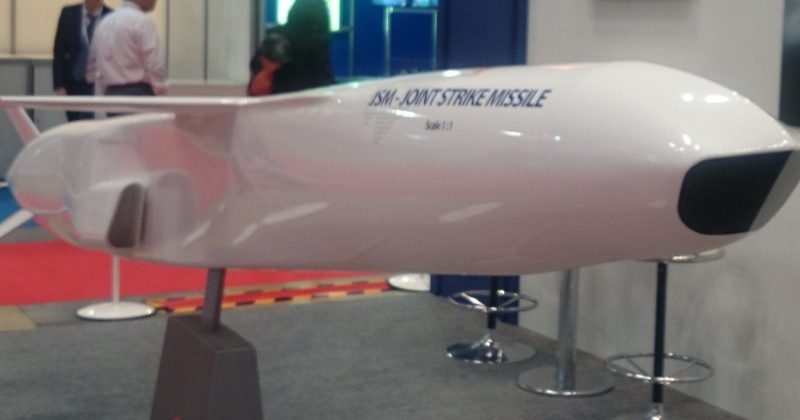
A massive surge in Kongsberg orders is projected for Q2 2026, triggered by Canada's strategic adoption of the Joint Strike Missile. This move underscores a significant shift in NATO's defense readiness, prioritizing high-tech precision capabilities to counter evolving global threats.
As tensions with Russia continue to escalate, Canada's decision serves as a critical component of the broader Western security architecture. The integration of the JSM highlights how shifting geopolitical dynamics are driving unprecedented demand for advanced defense systems across the alliance.
This move by Canada is more than a procurement update; it is a signal of the changing landscape of global security, where advanced missile technology becomes a cornerstone of deterrence and alliance stability.
This is a summarized and adapted version by Artificial Intelligence. To read the complete original story, visit the official source.
Read Full Article at Crypto BriefingSupport Jornal Bitcoin
Independent journalism, curated by AI, no clickbait. Keep the flame alive with any amount of BTC.
jonata@walletofsatoshi.comDaily Crypto Brief 📬
Subscribe to receive the curation of the most important Bitcoin and crypto news, summarized by AI. No spam.
Join more than 10,000 smart readers.
Related News
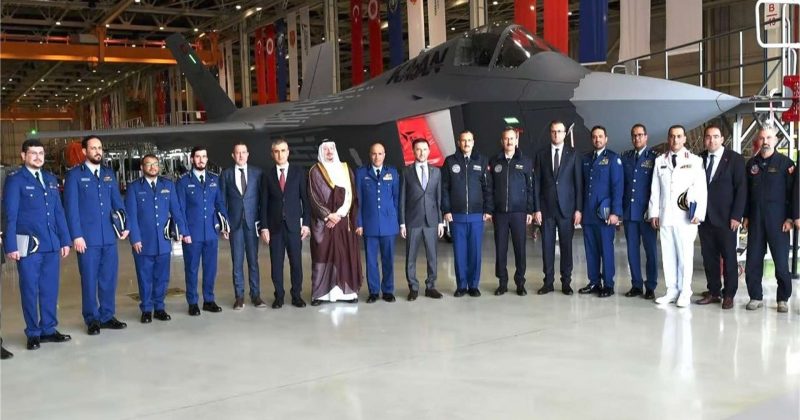
Middle East Escalation: Saudi Jets Intercept Iranian Plane Amid Rising Tensions
Beyond the immediate tactical encounter, the potential for strategic airspace closures looms large, threatening to disrupt international logistics and geopolitical stability. Such escalations are critical for market participants to monitor, as they directly influence market dynamics and risk appetite across all asset classes.
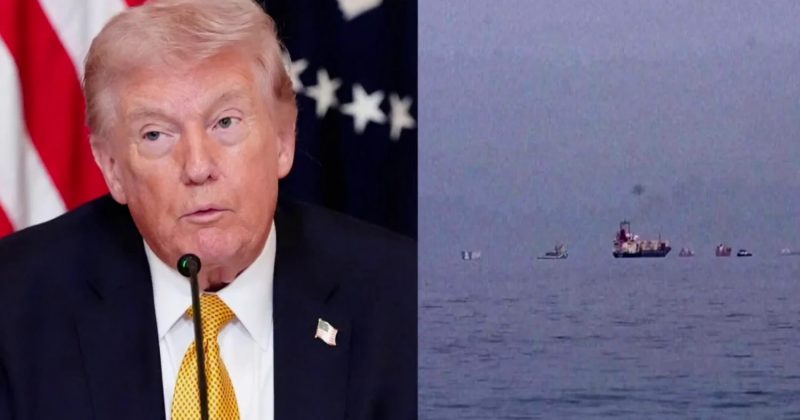
Trump Demands Nations Pay US for Strait of Hormuz Defense: A Geopolitical Shift?
This demand for payment threatens to strain long-standing alliances and force a massive shift in global military cost-sharing. The resulting geopolitical instability could disrupt critical trade routes and create significant ripple effects across global markets, including increased volatility in the crypto and commodity sectors.
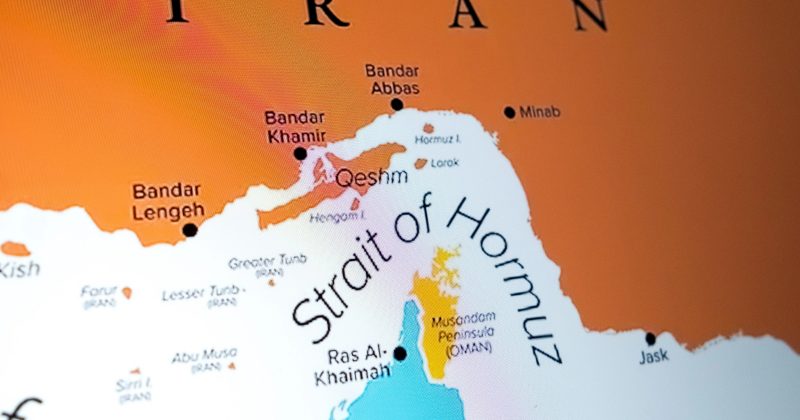
Geopolitical Alert: Iran Asserts Dominance in Gulf, Tightening Grip on Strait of Hormuz
The heightened geopolitical tensions are poised to significantly impact global oil markets and Gulf economies. As stability wavers, the potential for massive volatility in energy commodities and a shift in global risk appetite remains a primary concern for international markets.

Cyber Warfare Escalation: EU and UK Hit Russia with New Sanctions
These sanctions underscore the rapidly escalating geopolitical tensions that are reshaping international relations. As these measures take effect, the resulting shift in global market dynamics and the heightened focus on cybersecurity will likely drive significant volatility across interconnected financial systems.

Geopolitical Chaos: Bitcoin Slumps as U.S.-Iran Tensions Rise Despite ETF Demand
The market is currently caught in a tug-of-war between macroeconomic instability and structural adoption. While the influx of capital into spot ETFs suggests a strong underlying foundation for digital assets, the immediate impact of Middle East volatility is proving too significant for the market to ignore in the short term.
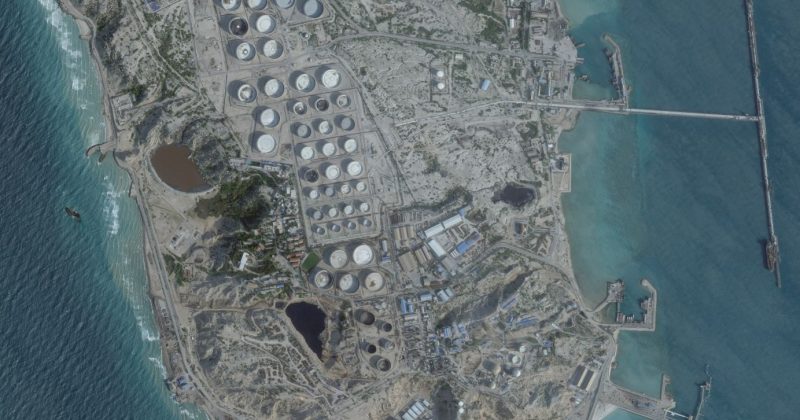
False Alarm? CENTCOM Denies U.S. Strikes on Iran's Kharg Island
While the immediate threat of a strike was dismissed, the underlying geopolitical instability remains a critical concern. The ongoing friction in U.S.-Iran relations continues to pose risks to regional stability and could trigger significant shifts in global market dynamics.
