Cyber Warfare Escalation: EU and UK Hit Russia with New Sanctions
The European Union and the United Kingdom have officially imposed a new wave of sanctions against Russia following allegations of state-sponsored cyberattacks. This decisive action serves as a direct response to increasing digital aggression, aiming to curb Russia's military capabilities through economic and technological pressure.
These sanctions underscore the rapidly escalating geopolitical tensions that are reshaping international relations. As these measures take effect, the resulting shift in global market dynamics and the heightened focus on cybersecurity will likely drive significant volatility across interconnected financial systems.
The EU and UK have imposed new sanctions on Russia over alleged cyberattacks. The sanctions highlight escalating geopolitical tensions, potentially curbing Russia's military actions and impacting global market dynamics. As digital warfare becomes a central pillar of modern conflict, these regulatory responses mark a critical turning point for international security and economic stability.
This is a summarized and adapted version by Artificial Intelligence. To read the complete original story, visit the official source.
Read Full Article at Crypto BriefingSupport Jornal Bitcoin
Independent journalism, curated by AI, no clickbait. Keep the flame alive with any amount of BTC.
jonata@walletofsatoshi.comDaily Crypto Brief 📬
Subscribe to receive the curation of the most important Bitcoin and crypto news, summarized by AI. No spam.
Join more than 10,000 smart readers.
Related News
Diplomatic Friction: German Chancellor Demands Talks with China Over Yuan Manipulation
This diplomatic friction carries the potential to reshape EU-China trade dynamics on a massive scale. As the world watches, the outcome of these discussions could significantly influence global economic policies and redefine the geopolitical landscape of international finance.
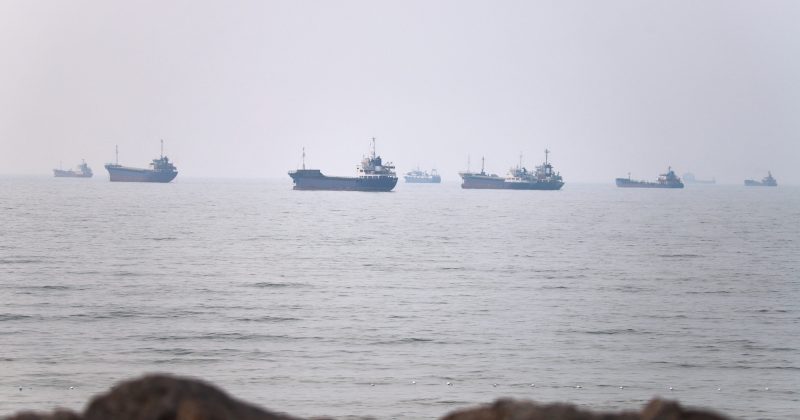
Geopolitical Shockwave: Strait of Hormuz Ship Traffic Plummets Following US-Iran Strikes
The escalating conflict poses a direct threat to global oil supply chains, potentially compromising international energy security and market stability. As military actions intensify, the risk of a massive supply disruption looms large, creating significant uncertainty for global economic actors and energy markets.
Geopolitical Tightrope: Trump’s Iran Strategy and the Threat to Global Markets
Beyond the immediate diplomatic friction, the consequences of these choices could trigger massive volatility across global markets. As tensions escalate, the intersection of Middle Eastern stability and international finance becomes a primary driver of risk, forcing investors to recalibrate their strategies in response to potential geopolitical shocks.
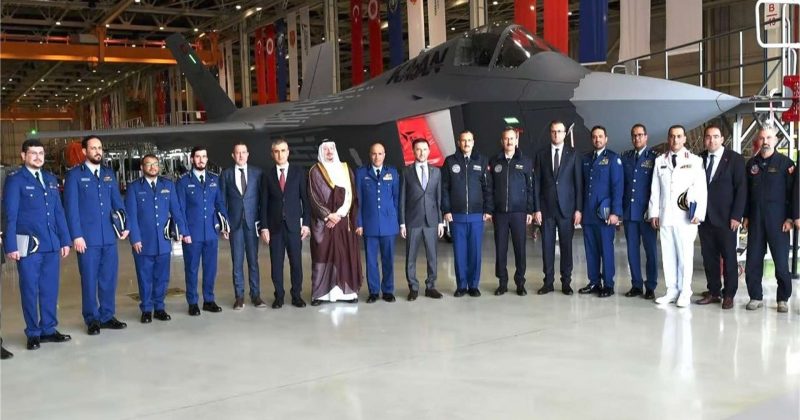
Middle East Escalation: Saudi Jets Intercept Iranian Plane Amid Rising Tensions
Beyond the immediate tactical encounter, the potential for strategic airspace closures looms large, threatening to disrupt international logistics and geopolitical stability. Such escalations are critical for market participants to monitor, as they directly influence market dynamics and risk appetite across all asset classes.
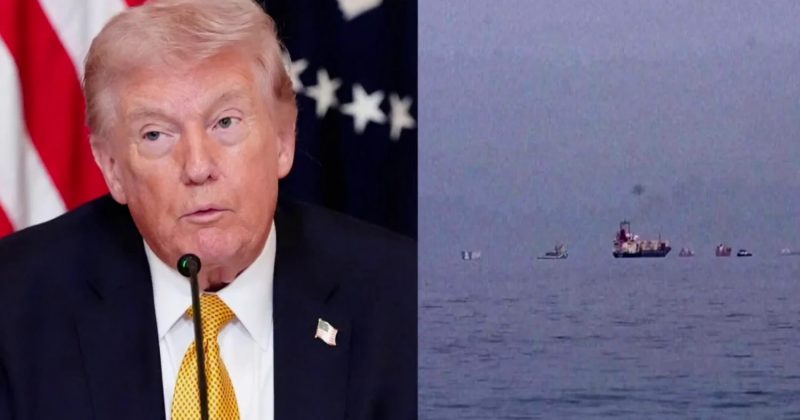
Trump Demands Nations Pay US for Strait of Hormuz Defense: A Geopolitical Shift?
This demand for payment threatens to strain long-standing alliances and force a massive shift in global military cost-sharing. The resulting geopolitical instability could disrupt critical trade routes and create significant ripple effects across global markets, including increased volatility in the crypto and commodity sectors.
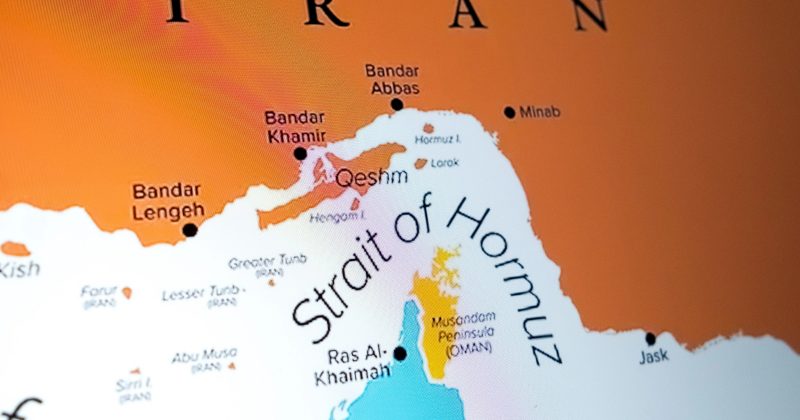
Geopolitical Alert: Iran Asserts Dominance in Gulf, Tightening Grip on Strait of Hormuz
The heightened geopolitical tensions are poised to significantly impact global oil markets and Gulf economies. As stability wavers, the potential for massive volatility in energy commodities and a shift in global risk appetite remains a primary concern for international markets.
