$131 Billion Crypto Vault Boom Challenges SEC's Regulatory Stance
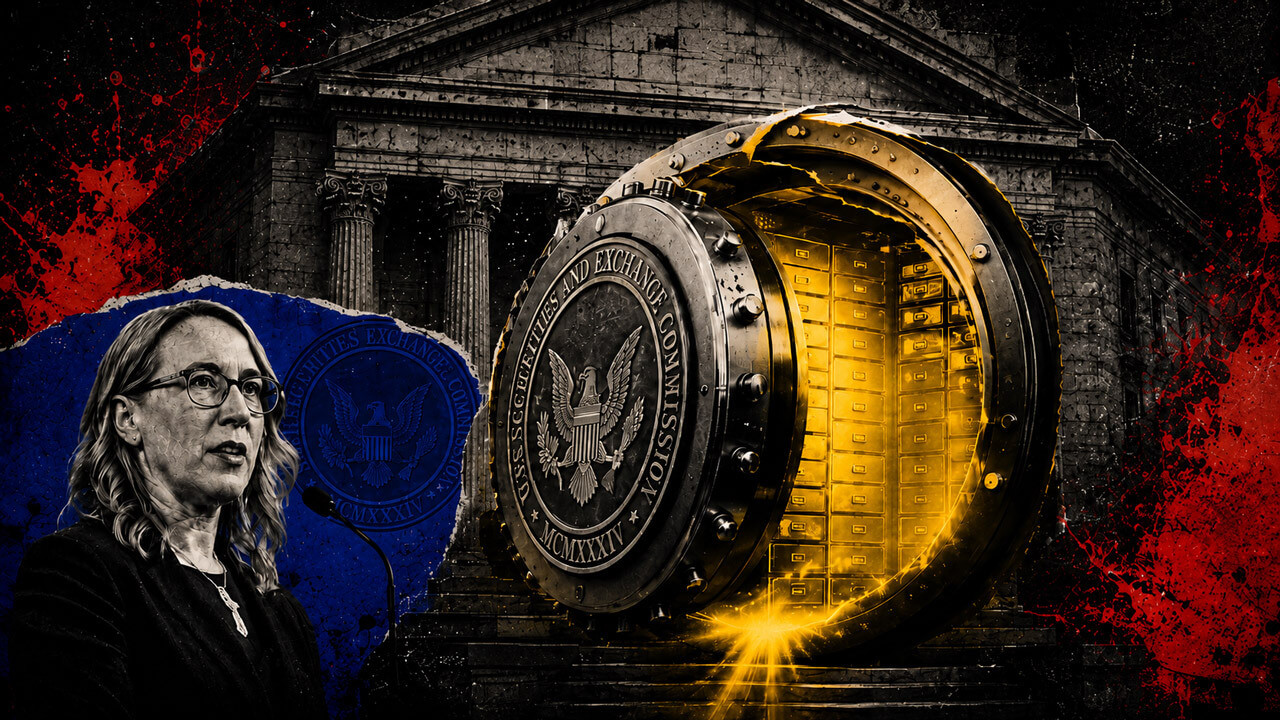
A massive $131 billion surge in crypto vaults is pushing the boundaries of current financial oversight. As these protocols utilize onchain lending and staking to generate yield, they are drawing intense scrutiny from regulators regarding their classification under federal securities laws.
SEC Commissioner Hester Peirce has warned that the regulatory fate of these vaults hinges on their specific structural design and the centralization of investment decisions. This development serves as a critical litmus test for the SEC's evolving relationship with the crypto industry and the future of decentralized yield strategies.
The crypto vault sector is experiencing a massive boom, reaching a staggering $131 billion in assets, but this growth is colliding with regulatory uncertainty. SEC Commissioner Hester Peirce recently warned that certain crypto vaults and onchain lending strategies may fall under the jurisdiction of federal securities laws.
Crypto vaults operate by pooling customer assets into onchain strategies to generate yield through methods like lending and staking. Peirce emphasized that the regulatory risk will depend heavily on how these products are structured and who maintains control over investment decisions, potentially testing the limits of the SEC's recent more accommodating stance toward the crypto market.
This is a summarized and adapted version by Artificial Intelligence. To read the complete original story, visit the official source.
Read Full Article at CryptoSlateSupport Jornal Bitcoin
Independent journalism, curated by AI, no clickbait. Keep the flame alive with any amount of BTC.
jonata@walletofsatoshi.comDaily Crypto Brief 📬
Subscribe to receive the curation of the most important Bitcoin and crypto news, summarized by AI. No spam.
Join more than 10,000 smart readers.
Related News

Whale Alert: 2 Bullish and 1 Bearish Signals Shaping Cardano's (ADA) Next Move
This divergence between whale exposure and technical indicators suggests that Cardano is entering a high-volatility phase. Investors must weigh the bullish momentum driven by large-scale buying against the immediate bearish pressure to navigate the upcoming price action effectively.

The CLARITY Act Standoff: Why Ethics Rules Are Blocking US Crypto Legislation
This ethical deadlock, following thousands of hours of negotiation, could fundamentally reshape how digital assets are governed in the United States. The outcome of this struggle over a code of conduct will dictate the regulatory landscape for the entire crypto industry and the power dynamics of federal oversight.

Security Breach: Verus Bridge Hit by Second Exploit in 66 Days, Total Losses Hit $19.1M
This recurring vulnerability has pushed total losses to a staggering $19.1 million, sending shockwaves through the cross-chain interoperability sector. The repeated nature of these breaches highlights the persistent risks associated with bridge security and the critical need for robust smart contract audits in the DeFi space.

BitMine Stakes 4.9 Million ETH, Skyrocketing Annualized Revenue to $244M
Despite the massive revenue surge, the move introduces critical market variables that cannot be ignored. Analysts are highlighting potential concentration risks and the threat of yield compression, both of which could reshape Ethereum market dynamics and influence long-term liquidity and staking rewards.

$460 Billion Risk: BlackRock and Coinbase Join $15M Mission to Shield Bitcoin from Quantum Attacks
By bringing together heavyweights like Fidelity Digital and ARK Invest, the consortium provides essential support to developers and researchers working on long-term network resilience. This strategic move ensures that Bitcoin's underlying security remains robust, proactively addressing the technological shifts that could otherwise jeopardize the world's leading digital asset.

Stacks PoX-5 Testnet Goes Live: A New Era of Self-Custody Bitcoin Staking
Targeting a mainnet hard fork around July 29, the PoX-5 update introduces a 3,000 BTC cap and a 3% rate. This technical evolution is set to deepen the synergy between Bitcoin and decentralized applications, providing a robust framework for Bitcoin-backed utility.
