Blasts Near Iran's Sirik Fuel US-Iran Tensions: Global Trade at Risk?
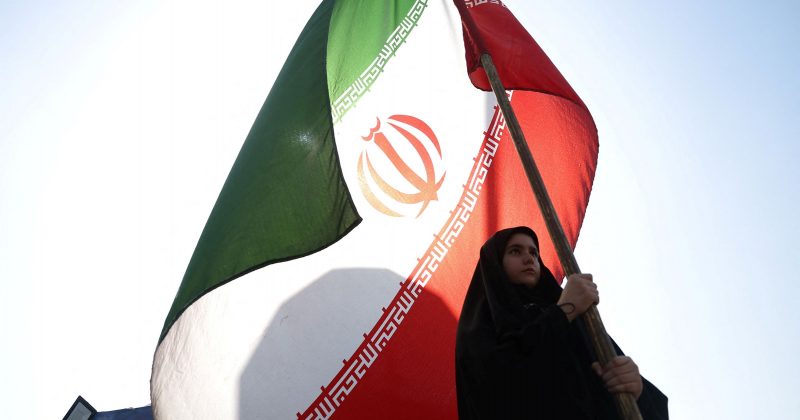
Reports of blasts near Sirik, Iran, have significantly heightened military tensions between Iran and the US. This sudden escalation raises the specter of an imminent Iran airspace closure, a move that would fundamentally disrupt regional security.
Beyond the immediate battlefield, the geopolitical fallout threatens to impact global trade and trigger massive market volatility. As tensions rise, the potential for disrupted supply chains and economic instability remains a primary concern for global investors and traders.
Blasts have been reported near Sirik, Iran, amid escalating military tensions between Iran and the United States. The incident has sparked fears of a broader confrontation in the region.
These blasts near Iran’s Sirik could heighten military tensions, influencing market predictions of an Iran airspace closure, which would heavily impact global trade. The situation remains fluid as the international community watches for signs of further escalation.
This is a summarized and adapted version by Artificial Intelligence. To read the complete original story, visit the official source.
Read Full Article at Crypto BriefingSupport Jornal Bitcoin
Independent journalism, curated by AI, no clickbait. Keep the flame alive with any amount of BTC.
jonata@walletofsatoshi.comDaily Crypto Brief 📬
Subscribe to receive the curation of the most important Bitcoin and crypto news, summarized by AI. No spam.
Join more than 10,000 smart readers.
Related News

Red Alert: Air Raid Sirens Sound in Bahrain as Gulf Tensions with Iran Escalate
The ongoing Middle East uncertainty threatens to disrupt global air travel and destabilize regional security frameworks. As these tensions rise, the resulting impact on market dynamics could trigger significant volatility, forcing global investors to brace for sudden shifts in economic stability and risk appetite.
Market Alert: 2-Year Treasury Yield Hits 16-Month High as Oil Prices Surge
This surge in yields directly impacts borrowing costs and global economic growth projections. As geopolitical tensions continue to drive energy volatility, investors must navigate a complex landscape where traditional market shifts and central bank policies heavily influence liquidity and risk appetite across all asset classes.
Middle East Escalation: US Strikes in Iran Trigger Global Economic and Trade Fears
Beyond the immediate casualties, the escalating conflict threatens to cause massive disruptions in global aviation and international trade routes. Such volatility is expected to ripple through economic markets, creating significant uncertainty for investors and global supply chains.
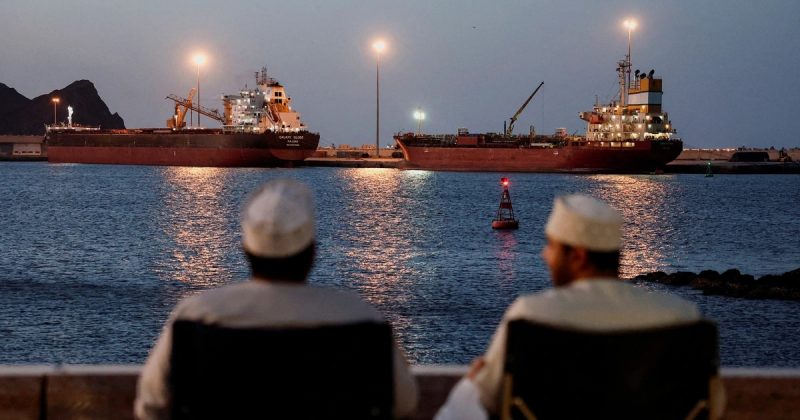
Geopolitical Flashpoint: Trump Demands Strait of Hormuz Stay Open Amid Rising US-Iran Tensions
This geopolitical friction poses a direct threat to global oil supply chains and overall market stability. Should tensions boil over, the resulting volatility could reshape energy economics and trigger significant shifts in global financial security and commodity pricing.
US Escalates Strikes on Iran Following Ceasefire Collapse: Global Stability at Risk
Beyond the immediate combat, the US is grappling with mounting logistical challenges that could strain military resources. As tensions fluctuate, the resulting geopolitical instability remains a critical factor for global liquidity and risk assessment in the digital asset space.

Geopolitical Shift: Polymarket Odds for Iran-Gulf Conflict Drop Following Hormuz Threat
This volatility is compounded by the ongoing Israeli military operations in Gaza and Lebanon, which continue to report significant civilian casualties. As geopolitical tensions fluctuate, investors and traders are closely watching how these regional conflicts impact broader market sentiment and risk appetite.
