US Blacklists Iranian Maritime Scheme Forcing Ships to Pay Bitcoin Tolls for Safe Passage
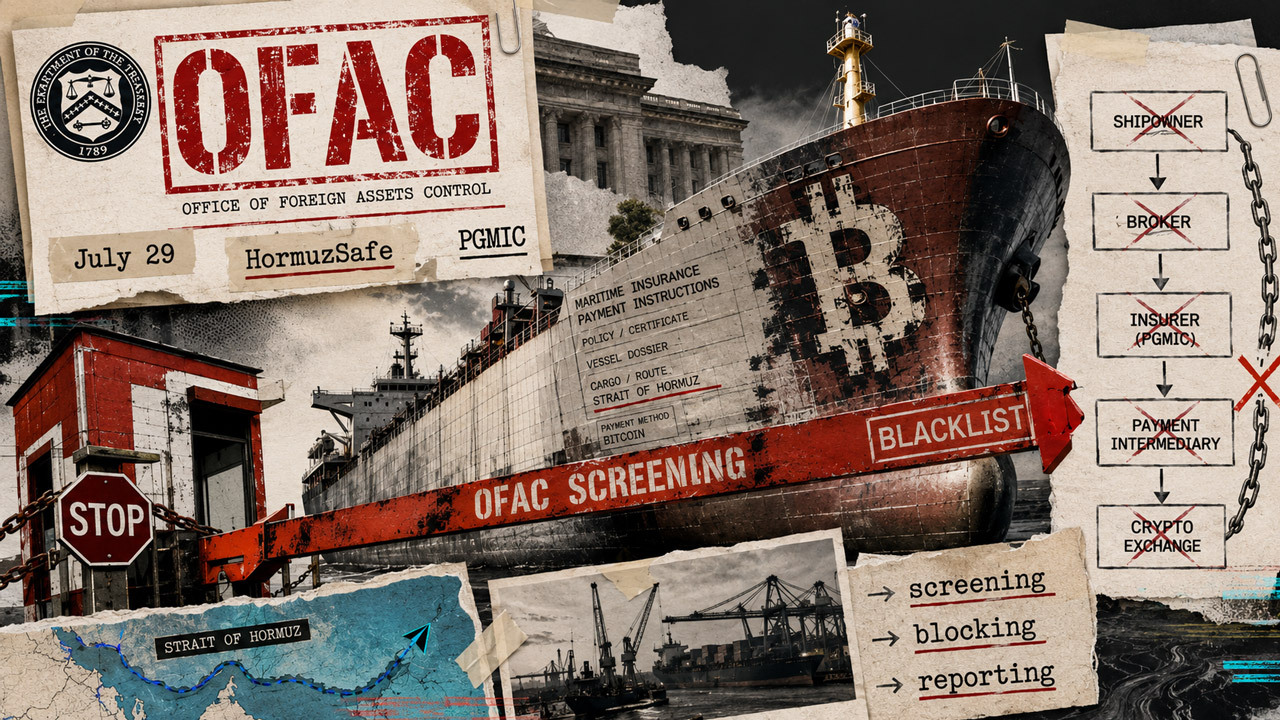
The U.S. Treasury has just blacklisted an Iranian maritime scheme that forced commercial ships to pay Bitcoin tolls for safe passage through strategic waterways. This decisive action marks a significant escalation in financial pressure against Iran, directly targeting the regime's revenue streams through cryptocurrency transactions.
The directive mandates that U.S. persons must block covered property and report within 10 business days, while foreign exposure hinges on conduct and nexus with the sanctioned scheme. This development underscores the growing challenges cryptocurrencies face as tools for international financial evasion and demonstrates the U.S.'s commitment to enforcing sanctions even when they involve digital assets.
This is a summarized and adapted version by Artificial Intelligence. To read the complete original story, visit the official source.
Read Full Article at CryptoSlateSupport Jornal Bitcoin
Independent journalism, curated by AI, no clickbait. Keep the flame alive with any amount of BTC.
jonata@walletofsatoshi.comDaily Crypto Brief 📬
Subscribe to receive the curation of the most important Bitcoin and crypto news, summarized by AI. No spam.
Join more than 10,000 smart readers.
Related News

Bitcoin Self-Custody Plummets to 49% in Historic Shift
This growing trend of entrusting third parties to hold Bitcoin represents an increase in systemic risk for the crypto market. With more coins held by exchanges and centralized services, the sector becomes more vulnerable to failures, hacks, and government regulations, potentially threatening the decentralized philosophy that sparked the Bitcoin revolution.
Iran Rejects Trump Deal as Hormuz Tensions Grip Markets Again
The tension in the region, which handles about one-third of the world's seaborne oil, is already affecting oil prices and energy company stocks. Investors are closely monitoring developments, fearing a potential conflict that could disrupt oil supplies and trigger a new global energy crisis. The situation adds more uncertainty to a cryptocurrency market already seeking a catalyst for a new bull run.
Ex-Binance Employee Accused of Profiting $628K with Unauthorized Memecoin
The incident exposes security weaknesses in high-value exchanges and blockchain projects, raising questions about internal governance and digital asset protection. With the rise of memecoins and low-value projects in the crypto ecosystem, cases like this highlight the need for stricter controls and transparency in operations of major platforms, especially as the market braces for potentially stricter regulation in 2025.

FC Barcelona's Ferran Torres transfer crisis could shake BAR token markets
The BAR token, which tracks Barcelona's performance and news, could experience heightened volatility due to uncertainty surrounding the player's future, directly impacting investors and token holders. This case serves as a stark warning about the inherent risks of fan tokens, whose value is intrinsically linked to external and unpredictable factors in the sports world.
Ripple (XRP) ETF Monthly Shock: What Really Happened Behind the Scenes
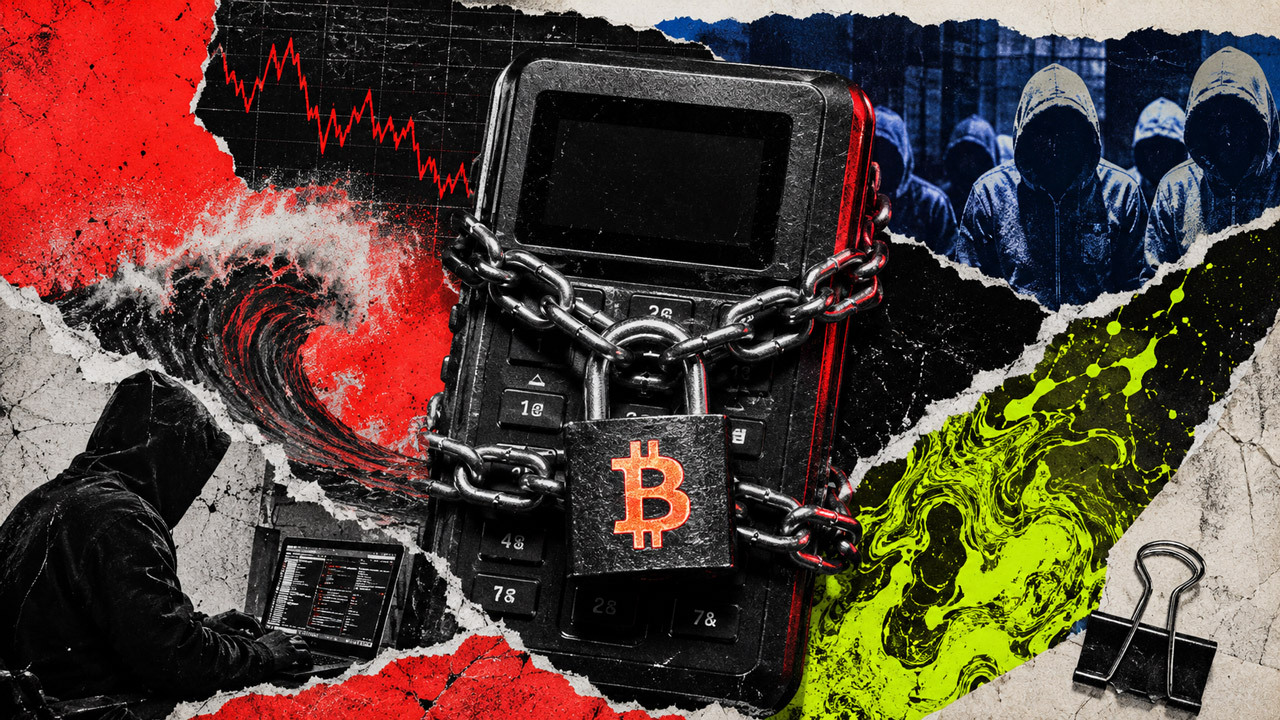
Coldcard's $89M Wallet Bug Triggers Biggest Bitcoin Movement Since FTX
This security incident, analyzed by Galaxy Research, has triggered one of the largest Bitcoin movements since the FTX collapse, creating confusion in market indicators and raising serious questions about the reliability of cryptocurrency storage solutions. The vulnerability exposes the growing risks associated with automation and AI in digital asset security, forcing the community to rethink protection and monitoring strategies in the crypto space.
