Coldcard's $89M Wallet Bug Triggers Biggest Bitcoin Movement Since FTX
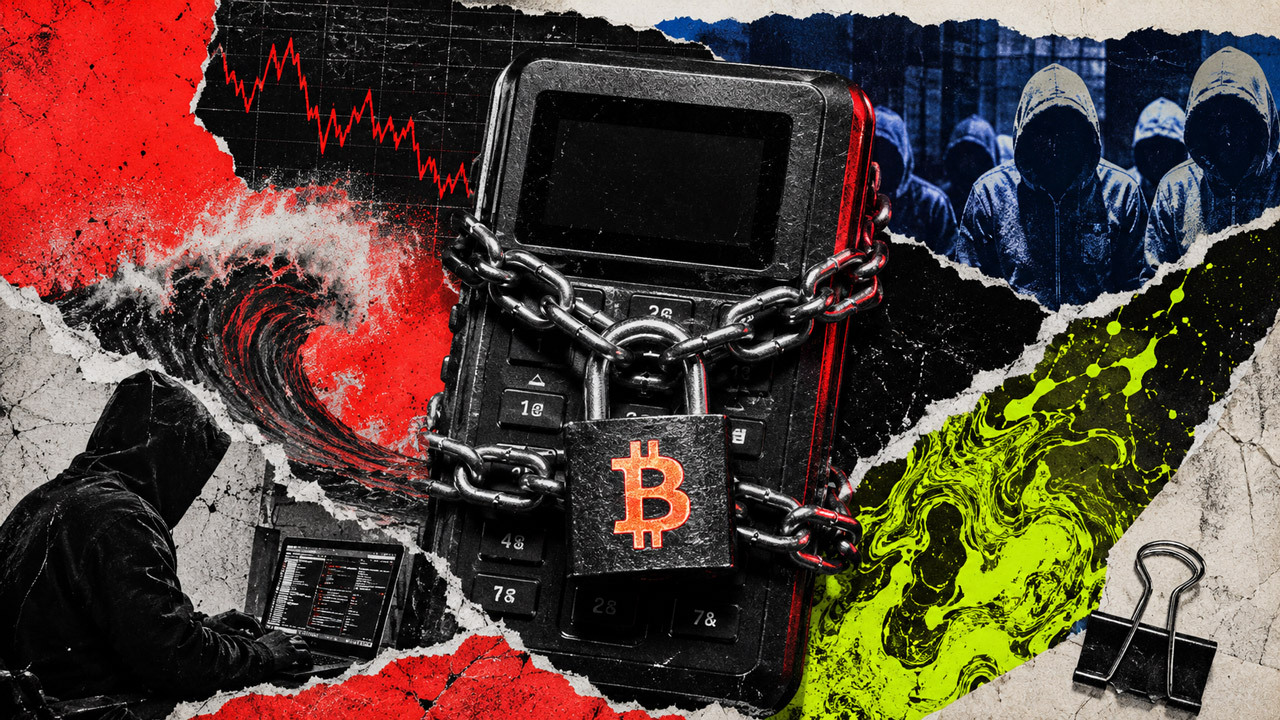
Coldcard's wallet crisis has shaken Bitcoin sentiment, blurred on-chain signals and exposed a recurring weakness in AI-assisted cyber defenses. On July 30, hardware maker Coinkite warned users that wallets generated with affected Coldcard firmware could be drained because a software error produced seed phrases with far less randomness than intended, creating an $89 million security vulnerability for the crypto ecosystem.
This security incident, analyzed by Galaxy Research, has triggered one of the largest Bitcoin movements since the FTX collapse, creating confusion in market indicators and raising serious questions about the reliability of cryptocurrency storage solutions. The vulnerability exposes the growing risks associated with automation and AI in digital asset security, forcing the community to rethink protection and monitoring strategies in the crypto space.
This is a summarized and adapted version by Artificial Intelligence. To read the complete original story, visit the official source.
Read Full Article at CryptoSlateSupport Jornal Bitcoin
Independent journalism, curated by AI, no clickbait. Keep the flame alive with any amount of BTC.
jonata@walletofsatoshi.comDaily Crypto Brief 📬
Subscribe to receive the curation of the most important Bitcoin and crypto news, summarized by AI. No spam.
Join more than 10,000 smart readers.
Related News
Bitcoin vs Ethereum ETF Showdown: Who Ruled July and Market Performance?
ETF performance has become a crucial barometer for market sentiment, with capital flows indicating investor confidence in digital assets. The victor of this monthly contest not only boosted the respective digital asset's price but may also signal broader trends for the remainder of the year, influencing portfolio allocation strategies and the regulatory future of digital financial products.

Chinese Police AI Detects Illicit Crypto Transactions with 89.4% Accuracy
The development of this AI system could globally enhance efforts to combat crypto-related financial crimes, potentially influencing future regulatory frameworks. The model's precision demonstrates the growing role of artificial intelligence in overseeing digital markets, raising important questions about privacy and surveillance in the crypto space as regulators seek to balance innovation with effective oversight.
Senate Summer Break Looms: Fate of Crypto Clarity Bill Hanging in the Balance

Bitcoin Self-Custody Plummets to 49% in Historic Shift
This growing trend of entrusting third parties to hold Bitcoin represents an increase in systemic risk for the crypto market. With more coins held by exchanges and centralized services, the sector becomes more vulnerable to failures, hacks, and government regulations, potentially threatening the decentralized philosophy that sparked the Bitcoin revolution.
Iran Rejects Trump Deal as Hormuz Tensions Grip Markets Again
The tension in the region, which handles about one-third of the world's seaborne oil, is already affecting oil prices and energy company stocks. Investors are closely monitoring developments, fearing a potential conflict that could disrupt oil supplies and trigger a new global energy crisis. The situation adds more uncertainty to a cryptocurrency market already seeking a catalyst for a new bull run.

FC Barcelona's Ferran Torres transfer crisis could shake BAR token markets
The BAR token, which tracks Barcelona's performance and news, could experience heightened volatility due to uncertainty surrounding the player's future, directly impacting investors and token holders. This case serves as a stark warning about the inherent risks of fan tokens, whose value is intrinsically linked to external and unpredictable factors in the sports world.
