Ethereum Jumps 3% Amid Tokenization Surge: Can Bulls Break the $1,800 Barrier?

Ether (ETH) surged 3%, outperforming the broader crypto market as the tokenization boom and the success of Robinhood Chain drive bullish sentiment. The integration of ETH as a native gas token in new Layer-2 networks and the expansion of tokenized stocks are providing significant fundamental support for the asset.
However, technical hurdles remain as weak onchain data and derivatives metrics threaten to stall the upward momentum. While institutional accumulation provides a floor, the failure to break $1,800 leaves the ETH price vulnerable to a potential retest of the $1,700 support level.
Ether (ETH) price gained 3% between Thursday and Friday, outperforming the broader crypto market. The move ties to growing tokenization, Robinhood Chain’s success, and ongoing corporate treasury purchases. However, ETH failed to break above $1,800 amid weak onchain and derivatives metrics. Is Ether price bound to retest $1,700?
Key takeaways: The successful launch of the layer-2 network Robinhood Chain has boosted Ether investors’ sentiment. The newly launched blockchain uses ETH as its native gas token and has netted $106 million in bridge deposits. The TradFi trading platform Robinhood offers tokenized stocks to customers in 120 countries, further strengthening the EVM-compatible ecosystem.
This is a summarized and adapted version by Artificial Intelligence. To read the complete original story, visit the official source.
Read Full Article at CoinTelegraphSupport Jornal Bitcoin
Independent journalism, curated by AI, no clickbait. Keep the flame alive with any amount of BTC.
jonata@walletofsatoshi.comDaily Crypto Brief 📬
Subscribe to receive the curation of the most important Bitcoin and crypto news, summarized by AI. No spam.
Join more than 10,000 smart readers.
Related News

Battle for Sovereignty: Bitcoin Policy Institute Challenges NYC Self-Custody Ruling
Beyond the local courtroom, the consequences of this case could reshape Bitcoin ownership laws nationwide. A ruling against self-custody would trigger massive regulatory shifts, potentially undermining the core tenets of decentralization and the legal security of crypto holders across the United States.

Bitcoin in the Strait of Hormuz? Qatar Joins Iran-Oman Talks with Crypto Transit Fee Proposal
While these discussions aim to stabilize global oil markets, the integration of Bitcoin could trigger a ripple effect across the broader crypto markets. A shift in how regional powers demand and utilize digital assets may reduce specific liquidity patterns, while simultaneously inviting intense regulatory scrutiny from global financial authorities regarding the use of decentralized assets in strategic trade routes.

Trump’s Crypto Disclosure: A Massive Institutional Risk Markets Are Already Pricing In
This isn't just about one politician; it's about a structural shift where crypto can transform political access and branded token symbolism into market value almost instantly. As regulatory attitudes become intertwined with personal wealth, the institutional implications for market stability and crypto governance are profound.

Crypto IPO Drought: Why Capital is Pivoting to AI Amid Macro Uncertainty
As macro uncertainty continues to weigh heavily on global markets, the liquidity required for successful public listings is being diverted elsewhere. This shift creates a challenging environment for crypto firms, forcing them to contend with a landscape where capital is increasingly scarce and risk appetite is concentrated in the AI sector.

Barcelona’s Defensive Shake-up: A Potential Catalyst for Fan Token Markets
As the club adjusts its defensive strategy, the resulting impact on fan tokens could trigger significant market movements. Investors should monitor how these sporting changes influence the sentiment and value of blockchain-based fan engagement assets, marking a pivotal moment for the intersection of sports and crypto.
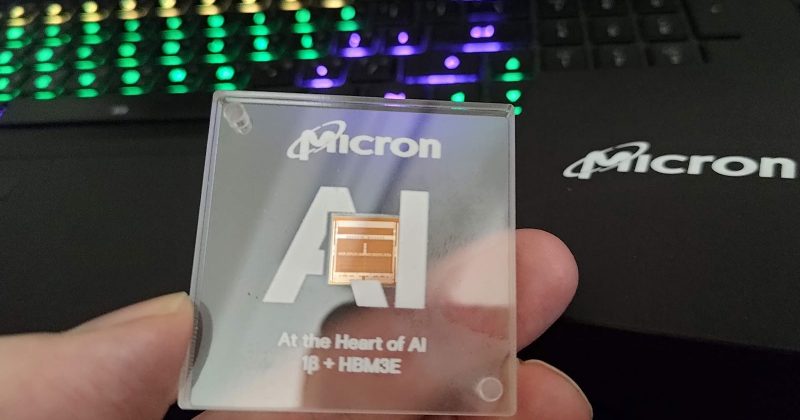
Micron's Record Profits: Is the AI Boom Squeezing Crypto Mining Resources?
This reshaping of the compute landscape poses a potential threat to the crypto mining sector by creating competition for critical hardware. As AI demand scales, the resulting squeeze on semiconductor and memory availability could force a significant realignment of investment strategies across the digital asset and mining industries.
