Ethereum Gas Hits 1 Gwei: A Rare Golden Window for Mainnet Users

The Ethereum ecosystem has hit a rare milestone as gas fees plummeted to the symbolic level of 1 gwei. This Intel Brief highlights that the mainnet is currently operating with ultra-low transaction costs, providing a unique window for users to interact with the network without the typical financial friction.
This low-fee environment fundamentally shifts the user experience, making complex on-chain activities more accessible than ever. For those who have historically bypassed the mainnet due to high costs, this sudden drop in gas prices offers a strategic moment to execute smart contracts and manage assets with maximum capital efficiency.
The Ethereum mainnet is rarely described as cheap, but 1 gwei gas changes the tone entirely. For users who have spent years avoiding mainnet transactions because of prohibitive costs, this kind of fee environment creates a very different experience, allowing for seamless interaction with the core protocol.
This is a summarized and adapted version by Artificial Intelligence. To read the complete original story, visit the official source.
Read Full Article at NewsBTCSupport Jornal Bitcoin
Independent journalism, curated by AI, no clickbait. Keep the flame alive with any amount of BTC.
jonata@walletofsatoshi.comDaily Crypto Brief 📬
Subscribe to receive the curation of the most important Bitcoin and crypto news, summarized by AI. No spam.
Join more than 10,000 smart readers.
Related News

The End of the Custody Dilemma: How Guarda Wallet and ChangeNOW Are Changing the Game
By leveraging ChangeNOW's infrastructure, Guarda avoids the massive overhead of building its own exchange, focusing instead on its core mission of secure storage. This integration sets a powerful precedent for the industry, demonstrating how non-custodial wallets can expand their ecosystem while maintaining user sovereignty.

BNB Chain Unveils New Layer-1 Built for AI Agents and High-Frequency Trading
By targeting a massive throughput of over 100,000 transactions per second, the network will utilize direct streaming to bypass public queues entirely. This architectural shift is designed to drastically reduce latency and enhance security, ensuring that high-speed trades are executed with unprecedented efficiency in an increasingly automated landscape.

Bull Bitcoin Sues France to Block DAC8 Crypto Surveillance Decree
If upheld, the DAC8 directive—set to take effect on January 1, 2026—will force crypto service providers to collect and automatically report user identities and transaction data to tax authorities across the EU. Bull Bitcoin warns this creates a dangerous 'mass database' linking legal identities and home addresses to blockchain activity, regardless of tax relevance.
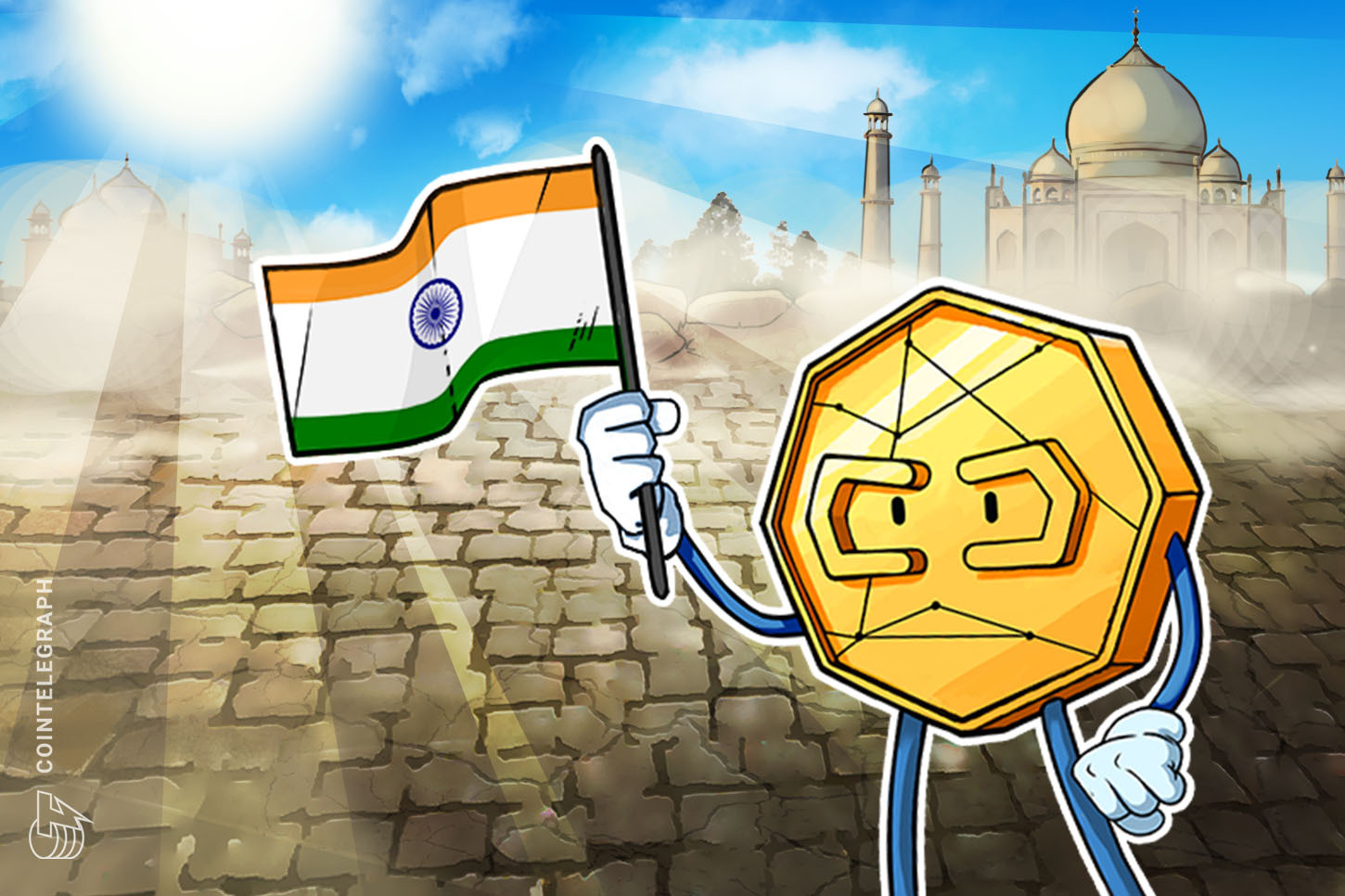
India Crypto Tax Gap: Less Than 25% of Traders Are Reporting Income
The Indian tax department highlighted that offshore exchanges, private wallets, and peer-to-peer (P2P) trades are complicating tracking efforts. With an estimated 39 million crypto traders holding over $2.1 billion in assets, the government is shifting its focus from financial stability concerns to aggressive tax enforcement and recovering lost revenue.

Geopolitical Shock: US-Iran Conflict Could Force Fed to Hike Interest Rates
This potential energy shock poses a direct threat to the current economic trajectory, as it may compel the Federal Reserve to implement unexpected interest rate hikes. For those navigating the crypto markets and macro assets, understanding the link between geopolitical instability and Fed decisions is essential for managing risk in an unpredictable environment.

Privacy Under Siege? Free Course Teaches How to Track Bitcoin Using AI Agents
This development marks a pivotal moment for cybersecurity and institutional adoption within the crypto space. By integrating AI agents into their workflow, financial professionals can significantly enhance their ability to trace fund movements, providing a powerful new layer of defense and transparency against malicious actors in the decentralized economy.
