Middle East Crisis: Iranian Missiles Target Jordan as Smoke Rises Over Aqaba

Geopolitical tensions have surged following reports of Iranian missiles launched toward Jordan, with visible smoke plumes rising over the city of Aqaba. This direct escalation marks a dangerous shift in regional stability, forcing global markets and security analysts to brace for sudden volatility.
In a preemptive move to manage the escalating threat, Israel has announced the closure of its airspace through July 31. As the conflict intensifies, the intersection of geopolitical instability and global security remains a primary driver for market uncertainty and potential shifts in risk appetite.
The Middle East is facing a heightened state of alert after Iran launched missiles toward Jordan, significantly raising regional tensions. Visual evidence of smoke over Aqaba confirms the intensity of the strike. Amidst the chaos, Israel has moved to secure its borders, announcing the closure of its airspace by July 31. The rapid escalation of hostilities between Iran and its neighbors continues to pose a significant threat to international stability.
This is a summarized and adapted version by Artificial Intelligence. To read the complete original story, visit the official source.
Read Full Article at Crypto BriefingSupport Jornal Bitcoin
Independent journalism, curated by AI, no clickbait. Keep the flame alive with any amount of BTC.
jonata@walletofsatoshi.comDaily Crypto Brief 📬
Subscribe to receive the curation of the most important Bitcoin and crypto news, summarized by AI. No spam.
Join more than 10,000 smart readers.
Related News

Geopolitical Shift: Trump Approves Saudi Nuclear Deal Dropping IAEA Safeguards
This pivot in US foreign policy carries massive implications for global stability and energy markets. The removal of traditional safeguards raises urgent questions regarding nuclear proliferation risks and could trigger a significant realignment of power across the Middle East.
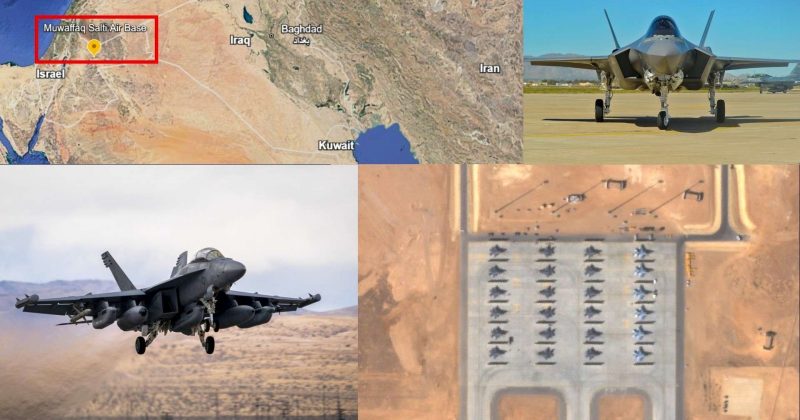
Middle East Escalation: Iran Strikes US Bases in Jordan, Sending Shockwaves Through Crypto Markets
This escalation carries profound implications for the crypto market, where sudden geopolitical shifts often drive massive volatility. As investors react to the news, the digital asset space is bracing for a tug-of-war between panic-driven liquidations and the potential surge in Bitcoin demand as a hedge against global instability.

US Strikes Red Sea Targets: Geopolitical Escalation Threatens Market Stability
As geopolitical tensions rise, the ripple effects are expected to hit the broader financial landscape, including the crypto market. Increased uncertainty regarding global supply chains and military escalations often drives investors toward defensive postures, potentially triggering sudden volatility in digital assets.
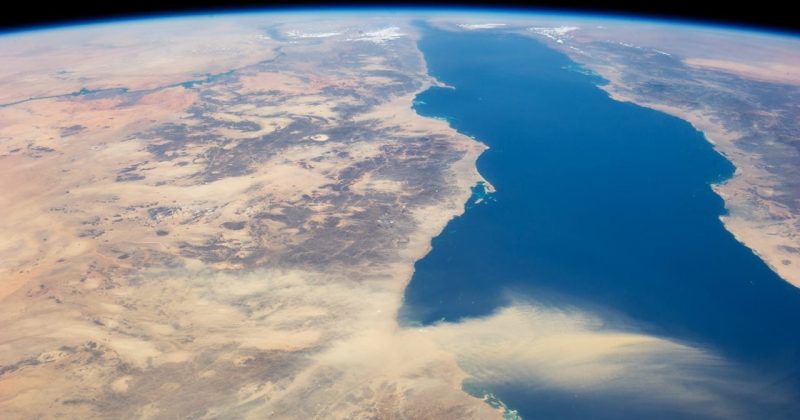
Red Sea Crisis: Houthi Plan to Block Oil Route Could Send WTI Soaring
The economic fallout could be monumental, with market indicators suggesting a potential surge in WTI crude prices toward $110 by July 2026. As the threat to the Red Sea shipping lanes intensifies, investors are bracing for heightened volatility and a significant shift in global energy dynamics.

Iran Confirms No Talks with US Amid Escalating Conflict: A Geopolitical Deadlock
Despite the current standoff, long-term economic models suggest a massive shift if diplomacy succeeds. Projections indicate that a US-Iran deal by 2026 could unlock reconstruction funding amounting to 30.5%, potentially reshaping the economic landscape of the Middle East and stabilizing regional trade flows.
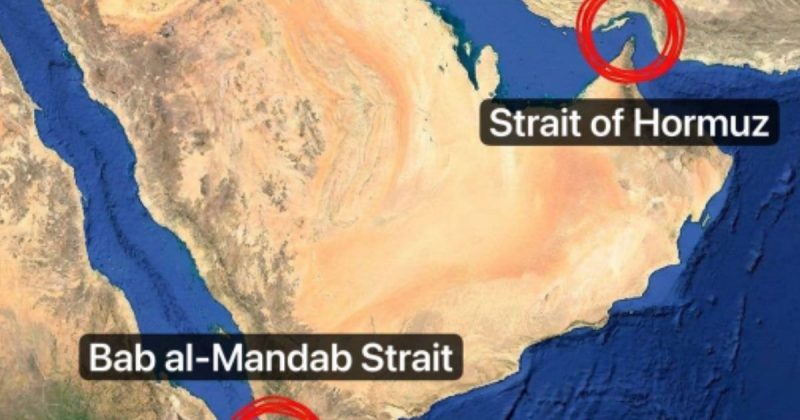
Geopolitical Alert: Houthi Militants Poised to Disrupt Bab el-Mandeb Shipping
Such geopolitical instability poses a direct threat to global supply chains and could trigger massive volatility across financial markets. For crypto investors, this escalation represents a classic 'black swan' risk, where sudden shifts in global trade stability can lead to rapid fluctuations in digital asset liquidity and market sentiment.
